Essay
Apology Letter: Writing a Genuine and Effective Apology That Works

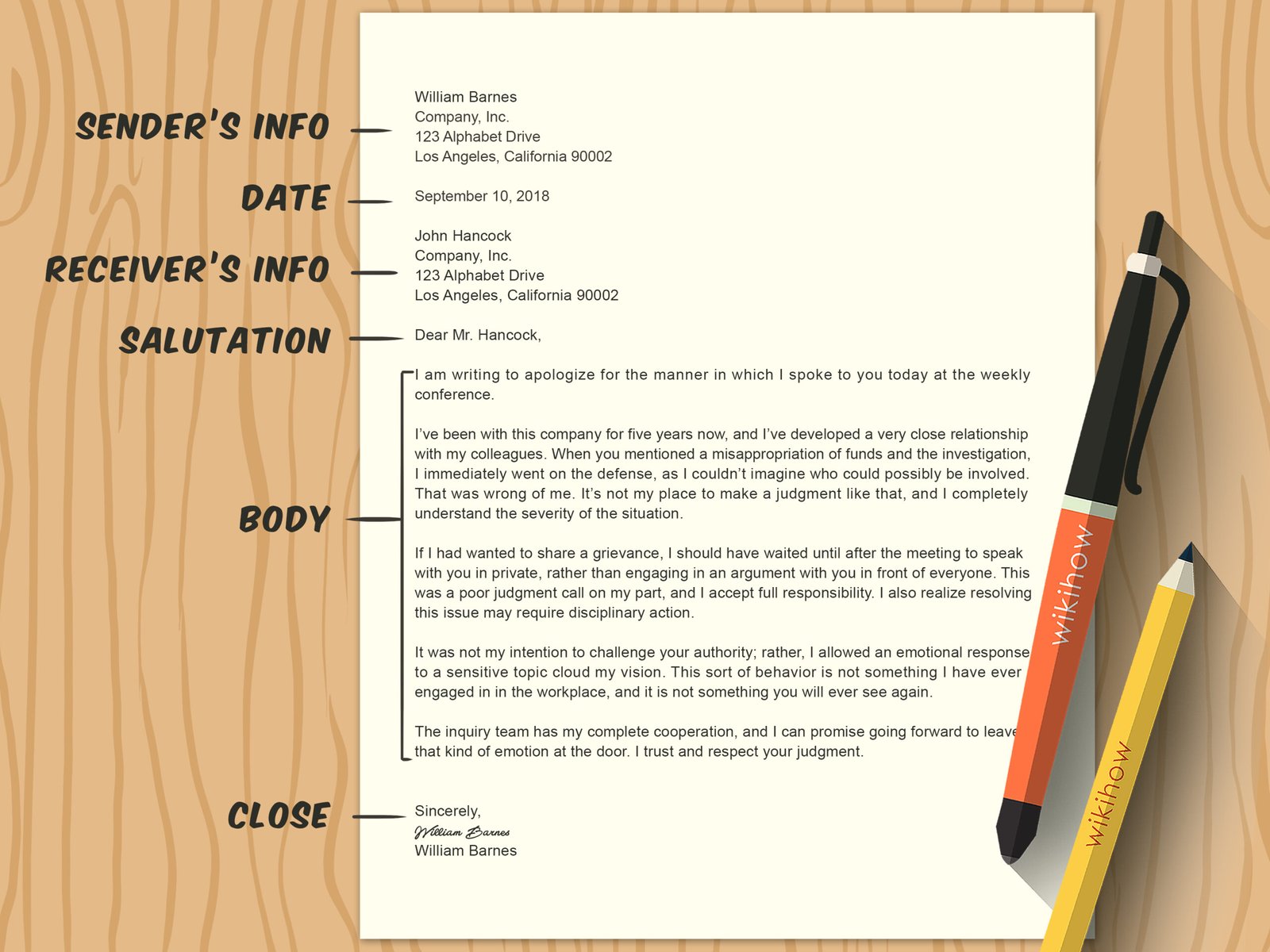
Mistakes happen to everyone. What truly defines character is how one takes responsibility afterward. Writing an apology letter is not just about saying “sorry” — it’s about showing sincerity, accountability, and a genuine desire to make things right. Whether it’s a personal misunderstanding, professional error, or business miscommunication, a well-written letter of apology can rebuild trust and maintain healthy relationships.
What Is an Apology Letter?
An apology letter is a written statement expressing regret for an action or behavior that may have hurt, inconvenienced, or disappointed someone. It serves as a thoughtful communication tool to acknowledge mistakes and demonstrate maturity. In many ways, it acts as both an emotional bridge and a professional courtesy.
For example, in a workplace setting, if a project deadline was missed or an email was accidentally misdirected, sending a short and sincere apology can prevent tension or misunderstandings. On a personal level, it shows empathy and responsibility, proving that you value the relationship enough to make amends.
Why Writing an Apology Letter Matters
A verbal “sorry” can be easy to say, but a written apology carries deeper intent and permanence. It reflects careful thought and genuine remorse.
Sending an apology letter also shows courage—it requires facing one’s mistake and taking ownership of the consequences. In business, it can help retain clients; in friendships or family, it strengthens bonds that might otherwise weaken. Importantly, it communicates respect for the other person’s feelings and ensures they feel heard.
A study of business communication highlights that customers often forgive mistakes more readily when they receive an authentic, personalized apology. This shows how powerful a simple act of written remorse can be.
Types of Apology Letters
Depending on the situation, apology letters can take different forms. Understanding the right type ensures your tone and content are appropriate.
- Personal Apology Letter: Sent to friends, family, or acquaintances when personal feelings are hurt.
- Professional Apology Letter: Typically written for workplace issues, such as late submissions, communication errors, or missed meetings.
- Customer Apology Letter: Used by businesses to apologize to clients or customers for service disruptions, delays, product issues, or poor experiences.
- Formal Apology Letter: More structured and often used in corporate or legal contexts where accurate wording matters.
- Informal Apology Letter: Friendly and conversational, used in casual personal circumstances.
Each form requires a careful balance of politeness, empathy, and clarity.
Essential Elements of an Effective Apology Letter
To make your apology resonate, it helps to follow a logical structure. The best apology letters include these five elements:
- Acknowledgment of the mistake: Start by clearly stating what happened.
- Acceptance of responsibility: Avoid shifting blame—own your actions.
- Expression of regret: Use sincere language that reflects your emotions without exaggeration.
- Explanation (if appropriate): Offer relevant context, but avoid justifying the mistake.
- Commitment to improvement: Show how you’ll prevent the issue from recurring.
Example:
“I deeply regret missing yesterday’s meeting and understand it disrupted your schedule. I take full responsibility and have already adjusted my calendar to ensure this doesn’t happen again.”
Notice how this example is brief but authentic and structured.
Tone and Language: The Heart of Your Message
The effectiveness of any apology letter lies in tone. Overly formal letters may feel detached, while overly casual ones may seem insincere. Aim for balanced, warm, and respectful language.
Helpful tone tips:
- Use first-person pronouns like “I” or “we.”
- Avoid passive constructions such as “mistakes were made.” Instead, say “I made a mistake.”
- Keep sentences clear and compassionate.
- End on a hopeful, respectful note.
In some cases, a handwritten letter can add a personal touch that digital messages struggle to convey. It shows effort and thoughtfulness—key signals of sincerity.
Common Mistakes to Avoid When Writing an Apology Letter
Even well-intentioned apologies can backfire if they come across poorly. Here are common pitfalls:
- Using vague language: Saying “Sorry for everything” doesn’t specify what you’re apologizing for.
- Overexplaining: Long justifications sound defensive. Keep it concise.
- Lack of empathy: Focusing on your reputation more than the other person’s feelings weakens the message.
- Delaying the apology: The longer you wait, the less effective it becomes.
- Copy-pasting templates: Templates can help, but always personalize your message to make it meaningful.
Each recipient deserves a unique apology—they can often sense when words are copied or insincere.
When and How to Deliver an Apology Letter
Timing can be just as important as the content. Ideally, send your apology as soon as you realize your mistake and gather your thoughts. This shows responsibility rather than avoidance.
Ways to deliver your apology letter:
- Email: Best for professional or business-related matters.
- Printed letter: Adds formality and effort.
- Handwritten note: Works perfectly for personal or emotional situations.
Regardless of the format, ensure it reaches the person privately and respectfully.
The Psychological Impact of a Genuine Apology
Apologies benefit both parties—the sender feels relief and closure, while the receiver feels validated and respected. Psychologists suggest that taking responsibility helps reduce guilt and anxiety. Meanwhile, those who receive a proper apology letter often report feeling less angry or resentful afterward.
Essentially, a heartfelt apology can heal emotional wounds and prevent long-term damage in relationships and teams.
Sample Outline for Writing Your Apology Letter
If you’re unsure where to begin, the following simple structure works well for almost any situation:
1. Greeting:
Start with “Dear [Name],” keeping it polite but warm.
2. Opening statement:
Immediately state the reason for writing — your apology.
3. Detailed acknowledgment:
Explain what happened and show understanding of the impact.
4. Responsibility and remorse:
Accept responsibility in clear, honest terms.
5. Proposed action or remedy:
Explain how you plan to fix or prevent the issue.
6. Closing:
End with gratitude and optimism, such as “I appreciate your understanding” or “Thank you for giving me the chance to make this right.”
This framework ensures your letter remains respectful, concise, and emotionally balanced.
The Long-Term Value of an Apology Letter
A well-written apology can do more than fix one mistake—it can strengthen trust for years. It conveys emotional intelligence and professionalism, both highly valued in personal and business relationships.
In corporate environments, consistent use of apology letters can even enhance brand reputation. People tend to remember how companies respond to errors more than the errors themselves. Apologies demonstrate authenticity and human connection in a digital world that often lacks it.
Conclusion
An apology letter is more than words—it’s a commitment to personal accountability, honesty, and growth. Writing one shouldn’t feel like a burden but rather an opportunity to restore balance and mutual respect. Whether you’re addressing a friend, a colleague, or a client, sincerity is your strongest tool.
Remember: anyone can make a mistake. What truly matters is having the courage to admit it—and the grace to express it in writing.
More Details : How to Use ChatGPT Effectively: A Complete Guide for Daily Use
FAQs About Apology Letters
1. What is the best way to start an apology letter?
Start by addressing the person respectfully and stating the reason for your apology clearly in the first line.
2. How long should an apology letter be?
Keep it concise—usually one to three short paragraphs. The goal is clarity and sincerity, not length.
3. Is it better to send an apology by email or handwritten note?
Email works best for professional issues, while handwritten notes suit personal or emotional matters where a personal touch matters.
4. Should I include excuses in my apology letter?
No. Focus on accepting responsibility instead of explaining or defending your actions too much.
5. Can a business apology letter improve customer trust?
Yes. In fact, most customers appreciate transparency and responsibility, and a sincere apology can often strengthen loyalty.


12 Best Omegle Alternatives for Random Video Chat and Meeting New People

Dbxbqm Meaning: Why It Appears When You Try to Type YouTube

Immediate Loading Implants: How “Fixed Teeth in 48 Hours” Really Works

How UK Mobile Proxies Help Businesses Test Their Websites

Gen AI in Supply Chain: Using Supply Chain Benchmarks to Improve Performance

What Is the UK Theory Test? How It Works, Cost and Pass Mark

Weather the Storm: Why Totally Branded Umbrellas are the UK’s Most Appreciated Gift

How to Store, Wind, and Travel With Your Automatic Watch Collection Without Damaging It

What Do HubSpot Onboarding Services Include?

AI in Supply Chain: How AI Consulting Services Help Build More Intelligent and Resilient Operations
Immediate Loading Implants: How “Fixed Teeth in 48 Hours” Really Works
How UK Mobile Proxies Help Businesses Test Their Websites
Gen AI in Supply Chain: Using Supply Chain Benchmarks to Improve Performance
12 Best Omegle Alternatives for Random Video Chat and Meeting New People
Dbxbqm Meaning: Why It Appears When You Try to Type YouTube
12 Best Omegle Alternatives for Random Video Chat and Meeting New People
Dbxbqm Meaning: Why It Appears When You Try to Type YouTube
Immediate Loading Implants: How “Fixed Teeth in 48 Hours” Really Works
How UK Mobile Proxies Help Businesses Test Their Websites
Gen AI in Supply Chain: Using Supply Chain Benchmarks to Improve Performance
What Is the UK Theory Test? How It Works, Cost and Pass Mark
Weather the Storm: Why Totally Branded Umbrellas are the UK’s Most Appreciated Gift
How to Store, Wind, and Travel With Your Automatic Watch Collection Without Damaging It
What Do HubSpot Onboarding Services Include?
AI in Supply Chain: How AI Consulting Services Help Build More Intelligent and Resilient Operations
-

 Tech9 months ago
xxx is equal to 2022: A Complete Informative Explanation of a Cubic Equation
-

 Celebrity8 months ago
Izzie Balmer Partner: A Deep Dive into the Relationship with Will Hawley
-

 Entertainment9 months ago
The Artistic World of Gege Akutami: A Mastermind Behind Jujutsu Kaisen
-

 Food5 months ago
Best Sushi Rice Brands: A Complete Guide to Choosing the Right Rice for Sushi