
Entertainment
Art of Zoo: How Modern Zoos Connect Humans and Wildlife

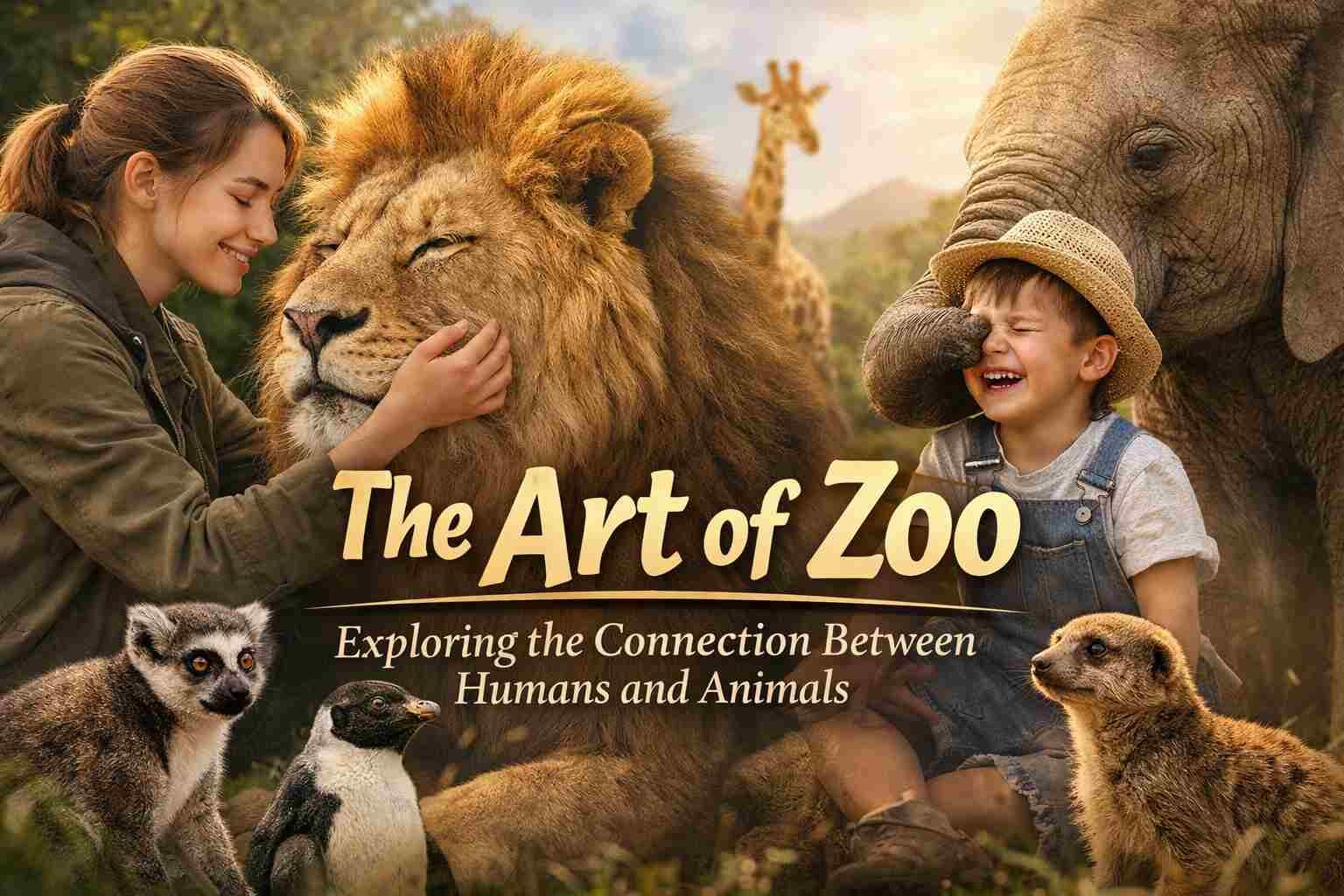
The Art of Zoo is more than exhibiting animals. It is a careful blend of science, design, education, and conservation. Modern zoos aim to create safe, stimulating environments for animals while teaching visitors about wildlife and ecosystems. They foster understanding, empathy, and responsibility. The connection between humans and animals is at the heart of every exhibit, making zoos centers of learning, protection, and cultural engagement.
Origins of Zoos
Zoos have existed for thousands of years. Ancient civilizations, such as Egypt, China, and Mesopotamia, kept animals mainly for display and status. These early collections rarely focused on education or animal welfare. Public zoological gardens appeared in Europe during the 18th and 19th centuries, emphasizing scientific study, observation, and learning. Over time, the Art of Zoo evolved to balance entertainment, conservation, and ethical care, turning simple menageries into modern institutions with purpose.
Designing Habitats for Well-Being
A key part of the Art of Zoo is habitat design. Modern zoos create environments that mimic animals’ natural homes. Lions and big cats have open spaces with climbing platforms and shaded areas. Primates receive complex structures for mental stimulation. Aquatic animals live in pools with natural water flow and temperature controls. Proper design reduces stress, encourages natural behavior, and ensures animals remain physically and mentally healthy. Thoughtful habitats reflect the skill and planning behind modern zoo management.
Conservation and Species Protection
Conservation is central to the Art of Zoo. Many species face threats from habitat loss, hunting, and climate change. Zoos participate in breeding programs for endangered animals like rhinos, tigers, and gorillas. Some animals are successfully reintroduced into the wild, and international collaborations protect natural habitats. By combining research, breeding, and restoration projects, zoos play a crucial role in preserving biodiversity and ensuring future generations can experience wildlife firsthand.
Education and Visitor Engagement
Zoos educate in ways books or screens cannot. Interactive exhibits, guided tours, and live demonstrations teach visitors about behavior, ecosystems, and conservation challenges. Children often form their first meaningful connection with nature at a zoo, creating lifelong respect for wildlife. By offering practical, engaging learning experiences, the Art of Zoo nurtures awareness and curiosity while inspiring environmental responsibility.
Behavioral Enrichment Programs
Animals in zoos need stimulation to thrive. Behavioral enrichment includes puzzle feeders, climbing opportunities, scents, and interactive routines. Elephants may manipulate logs or water, primates solve challenges, and birds explore novel structures. Enrichment prevents boredom, encourages natural activity, and improves overall health. These programs highlight how creativity and careful planning are essential in the Art of Zoo.
Technology in Modern Zoos
Technology supports both animals and visitors. Sensors, cameras, and monitoring tools track health, behavior, and activity. Augmented reality and virtual tours enhance visitor learning. Some zoos use apps to show the original habitats of animals or track conservation efforts globally. Technology allows zoos to manage care efficiently, research effectively, and provide immersive educational experiences.
Community and Cultural Impact
Zoos are cultural hubs that strengthen communities. They host educational programs, events, and campaigns to raise awareness about wildlife. Families, students, and tourists benefit from cultural enrichment while learning about conservation. Zoos also support local economies by creating jobs and promoting eco-conscious tourism. The Art of Zoo extends beyond animal care—it connects people with nature and community.
Ethics and Animal Welfare
Ethics guide every modern zoo. Institutions follow strict welfare standards, ensuring animals live safely and with dignity. The Art of Zoo emphasizes education, research, and conservation over exploitation. Transparency and public awareness programs ensure visitors understand responsible animal care. Ethical practices make modern zoos a model of humane treatment and sustainable management.
Future of Zoos
Zoos will continue evolving to combine conservation, education, and innovation. Virtual experiences, immersive habitats, and global breeding collaborations will expand access and impact. Sustainable practices and habitat restoration projects will further strengthen wildlife protection. The Art of Zoo will continue blending creativity, science, and empathy, deepening the bond between humans and wildlife.
Conclusion
The Art of Zoo is the fusion of knowledge, care, and creativity. Modern zoos educate visitors, conserve species, and create meaningful human-animal connections. Through careful habitat design, enrichment programs, and ethical practices, zoos demonstrate a commitment to wildlife and future generations. They are not just attractions—they are centers of learning, conservation, and inspiration, showcasing the vital relationship between humans and the natural world.
More Details : Omegaverse Explained: Understanding Alphas, Betas, and Omegas
FAQs
- What does the term “Art of Zoo” mean?
It refers to the combination of design, education, conservation, and animal care that defines modern zoos. - How do zoos support conservation?
Zoos engage in breeding programs, habitat protection, research, and sometimes reintroduce animals into the wild. - Are animals treated ethically in modern zoos?
Yes. Zoos follow strict welfare guidelines to ensure animals live safely, comfortably, and with enrichment. - How do zoos educate visitors?
Through interactive exhibits, live demonstrations, tours, and educational programs on ecosystems, behavior, and conservation. - What is the future of zoos?
Zoos will use technology, sustainable practices, and global collaboration to strengthen human-animal connections and wildlife conservation.

Understanding Weaponized Incompetence: Why It Happens and How to Deal With It

Wudu Steps: Complete Step-by-Step Guide for Proper Islamic Ablution

Modern Data Architecture Guide: Practical Database Design Patterns for Developers

Art of Zoo: How Modern Zoos Connect Humans and Wildlife

Irish Exit Meaning: What It Is and Whether It’s Rude

Mastering Dinner Productivity: How to Cook Efficiently Without Stress

What is a Toxic Relationship and How to Recognize It Early

We Are Made of Stars: Examining Human Ashes Under a Microscope

Understanding SOS on iPhone: How to Use It and Stay Safe

Understanding Tree in Data Structure: A Complete Guide

Understanding Black Box AI: Unlocking the Secrets of Unexplained Algorithms

Encanto Characters Explained: The Madrigal Family, Their Gifts, and What They Mean

Makima Chainsaw Man: The Power, Mystery, and Meaning Behind One of Anime’s Most Talked About Characters

The Red String Theory: Exploring Fate and Connection

Open Claw vs. Claude Code: A Comprehensive Comparison

10 Things You Should Know About Yuta Okkotsu Before Jujutsu Kaisen Season 3

Best AI Tools to Create Professional Faceless Videos Quickly

NVIDIA DGX Spark: A Practical Look at the Compact AI Powerhouse

Magenta: The Color That Doesn’t Exist and Its Fascinating Science

Best AI Image Generators 2026: The Ultimate Guide
Understanding Weaponized Incompetence: Why It Happens and How to Deal With It
Wudu Steps: Complete Step-by-Step Guide for Proper Islamic Ablution
Modern Data Architecture Guide: Practical Database Design Patterns for Developers
Art of Zoo: How Modern Zoos Connect Humans and Wildlife
Irish Exit Meaning: What It Is and Whether It’s Rude
Mastering Dinner Productivity: How to Cook Efficiently Without Stress
What is a Toxic Relationship and How to Recognize It Early
We Are Made of Stars: Examining Human Ashes Under a Microscope
Understanding SOS on iPhone: How to Use It and Stay Safe
Understanding Tree in Data Structure: A Complete Guide
-

 Entertainment2 months ago
Semana Santa 2026: Dates, Traditions, and Global Celebrations
-

 Tech2 months ago
xxx is equal to 2022: A Complete Informative Explanation of a Cubic Equation
-

 Entertainment2 months ago
The Artistic World of Gege Akutami: A Mastermind Behind Jujutsu Kaisen
-

 Celebrity2 months ago
Izzie Balmer Partner: A Deep Dive into the Relationship with Will Hawley