Food
Best Italian Desserts: A Delicious Guide to Italy’s Sweetest Traditions

Italian cuisine is famous around the world for pizza, pasta, and rich flavors, but desserts hold a special place in Italian food culture. From creamy classics served in elegant restaurants to simple pastries enjoyed in small family cafés, Italy offers an incredible variety of sweet dishes that reflect the country’s regional traditions and love for quality ingredients. Many of these desserts have been passed down through generations, keeping authentic recipes alive for centuries.
If you enjoy desserts with deep flavor, fresh ingredients, and cultural history, exploring the best Italian desserts is an unforgettable experience. Whether you prefer creamy treats, flaky pastries, frozen delights, or coffee-based sweets, Italian desserts offer something for every taste.
The Rich History Behind Italian Desserts
Italian desserts are deeply connected to the country’s history and regional identity. Different areas of Italy developed unique recipes based on local ingredients, climate, and traditions. Northern Italy often uses butter, cream, and nuts in desserts, while southern regions rely more on citrus fruits, almonds, ricotta cheese, and honey.
During the Renaissance, Italian noble families helped refine dessert-making into an art form. Bakers and pastry chefs experimented with sugar, spices, and imported ingredients, creating recipes that later became famous across Europe. Over time, these desserts spread globally, but many traditional Italian bakeries still prepare them using original methods.
One reason Italian sweets remain popular is their balance. Most recipes focus on natural flavor instead of excessive sweetness. Fresh cream, espresso, cocoa, vanilla, mascarpone cheese, almonds, pistachios, and seasonal fruits are commonly used to create desserts with rich yet elegant taste.
Tiramisu: Italy’s Most Famous Dessert

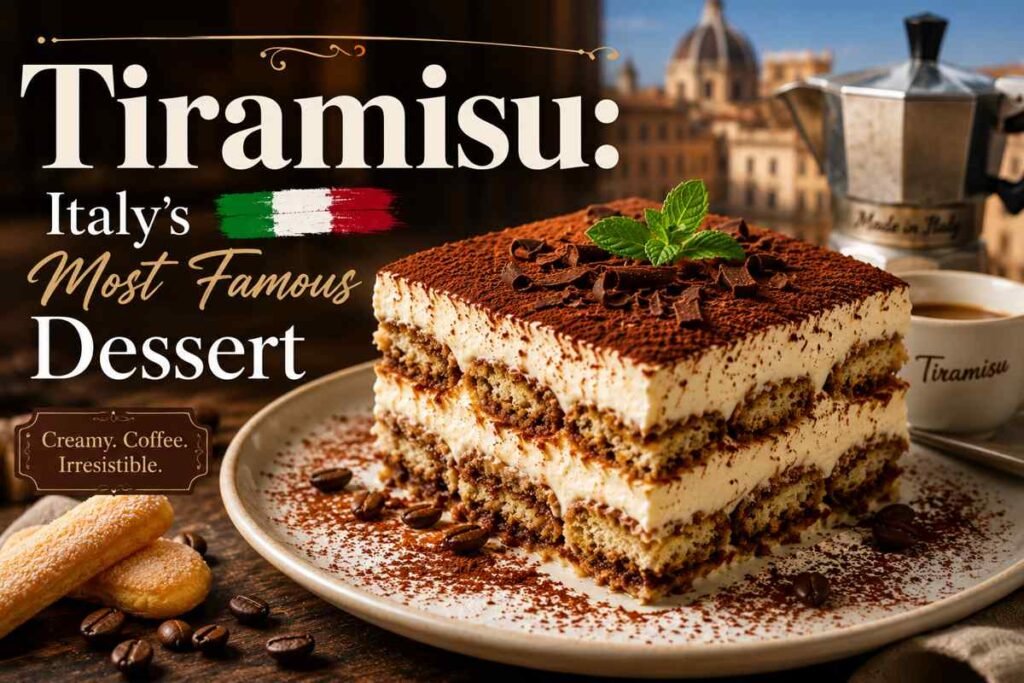
Tiramisu is often considered one of the best Italian desserts because of its creamy texture and perfect balance of coffee and cocoa flavors. This iconic dessert originated in the Veneto region and became internationally popular during the late twentieth century.
Traditional tiramisu is made with layers of espresso-soaked ladyfinger biscuits, mascarpone cheese, eggs, sugar, and cocoa powder. Some variations also include coffee liqueur for extra flavor. The dessert is chilled before serving, allowing the layers to blend together beautifully.
What makes tiramisu special is its simplicity. Despite using only a few ingredients, it delivers rich flavor without feeling too heavy. The bitterness of espresso combines perfectly with sweet mascarpone cream, creating a dessert that feels both comforting and elegant.
Many Italian restaurants prepare tiramisu differently, but authentic recipes usually avoid unnecessary ingredients or overly sweet flavors. Fresh mascarpone and high-quality espresso are essential for achieving the traditional taste.
Cannoli: Sicily’s Crispy Sweet Delight
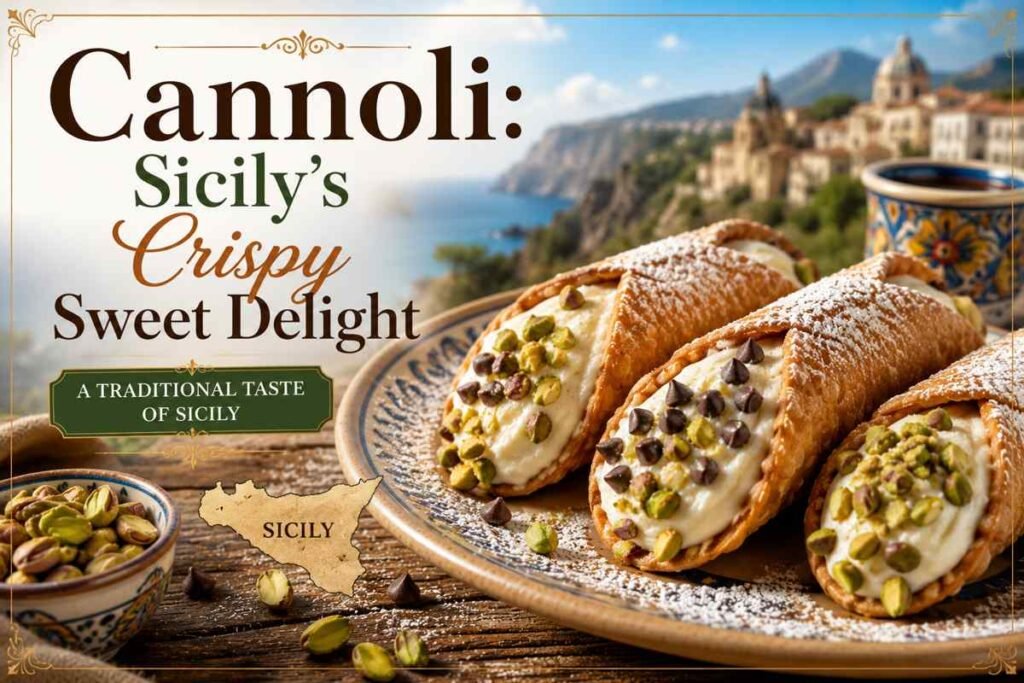
Cannoli is one of Sicily’s most beloved desserts and a favorite among pastry lovers worldwide. These tube-shaped pastries are made from crispy fried shells filled with sweet ricotta cream.
Traditional cannoli filling includes ricotta cheese mixed with sugar and sometimes chocolate chips, candied orange peel, or pistachios. The shell should remain crisp while the filling stays smooth and creamy.
Cannoli originated in Sicily centuries ago and were once prepared during festivals and celebrations. Today, they are enjoyed throughout Italy and beyond. Authentic Sicilian cannoli often use sheep’s milk ricotta, which gives the filling a richer and more distinctive flavor.
Freshness plays an important role in making cannoli. Many Italian pastry shops fill the shells only after ordering to prevent them from becoming soft. This contrast between crunchy pastry and creamy filling creates the dessert’s signature texture.
Gelato: Italy’s Creamy Frozen Treat
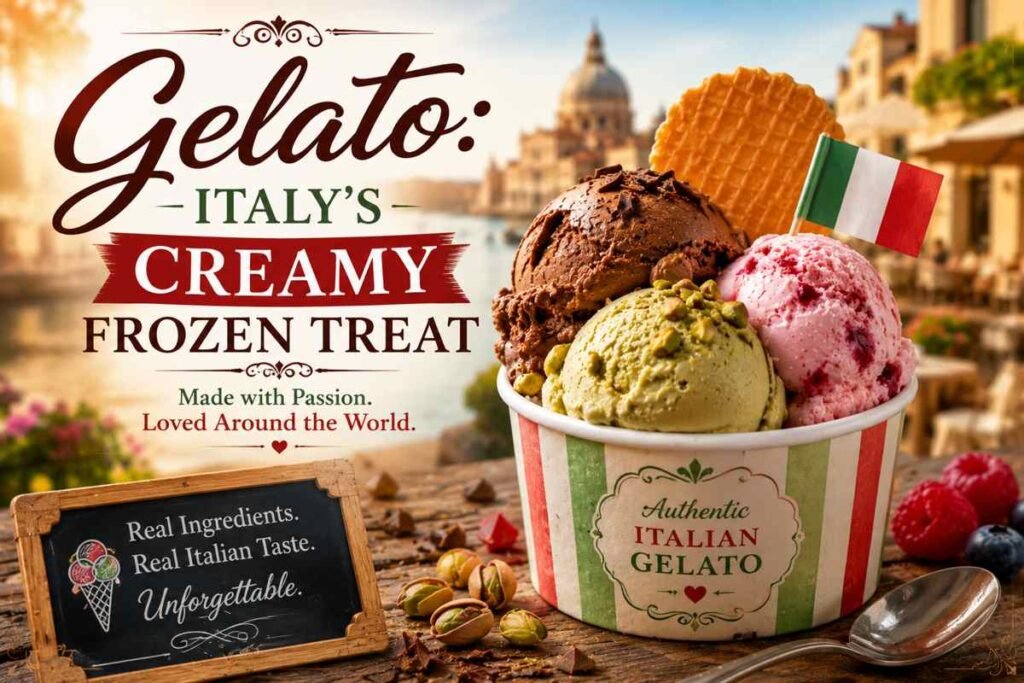
Gelato is one of Italy’s most famous culinary creations and an essential part of Italian dessert culture. While many people compare gelato to ice cream, there are important differences between the two.
Gelato contains less air and less fat than traditional ice cream, resulting in a denser and smoother texture. It is also served at a slightly warmer temperature, which allows flavors to become more intense.
Classic gelato flavors include pistachio, hazelnut, chocolate, lemon, strawberry, and stracciatella, which combines vanilla gelato with thin chocolate flakes. Many artisanal gelato shops use seasonal fruits and natural ingredients instead of artificial flavorings.
Walking through Italian cities with a cup or cone of fresh gelato is a common experience for locals and tourists alike. Each region offers unique flavors inspired by local ingredients and traditions.
Panna Cotta: A Simple Yet Elegant Dessert
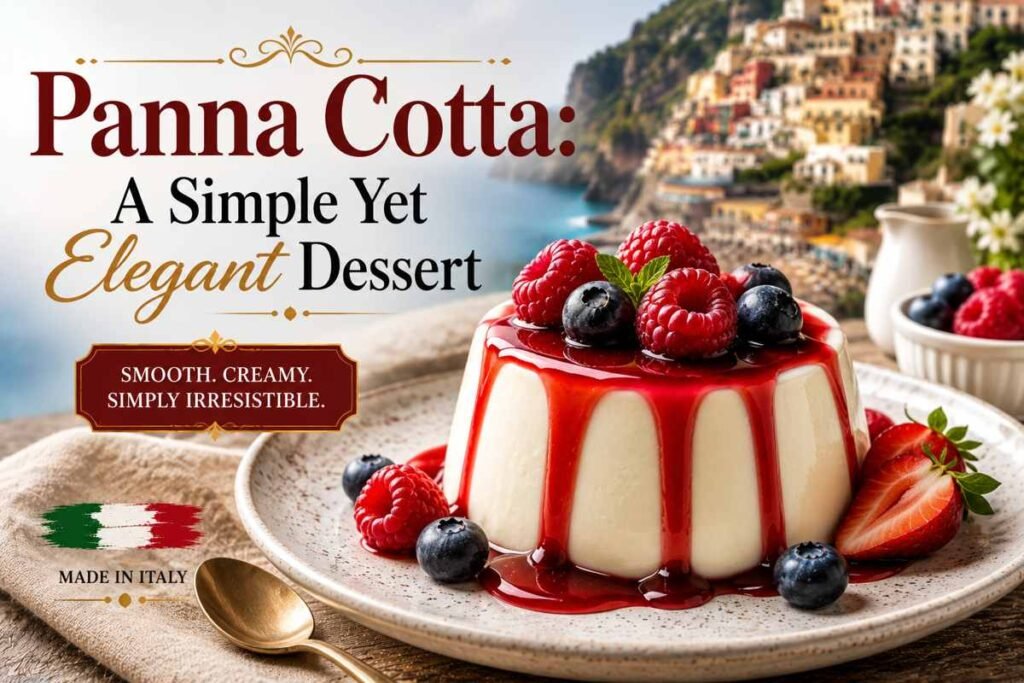
Panna cotta is a smooth and creamy dessert that originated in northern Italy. Its name translates to “cooked cream,” which perfectly describes its main ingredient.
This dessert is made by gently heating cream with sugar and gelatin until it sets into a silky texture. Panna cotta is often served with berry sauce, caramel, chocolate, or fresh fruit.
One reason panna cotta remains popular is its simplicity. The dessert relies on texture and ingredient quality rather than complicated preparation. A properly made panna cotta should feel delicate, soft, and creamy without becoming too firm.
Italian chefs often prefer understated presentation for panna cotta because the dessert itself is already rich and satisfying. Its light sweetness makes it ideal after a large Italian meal.
Sfogliatella: Naples’ Famous Pastry
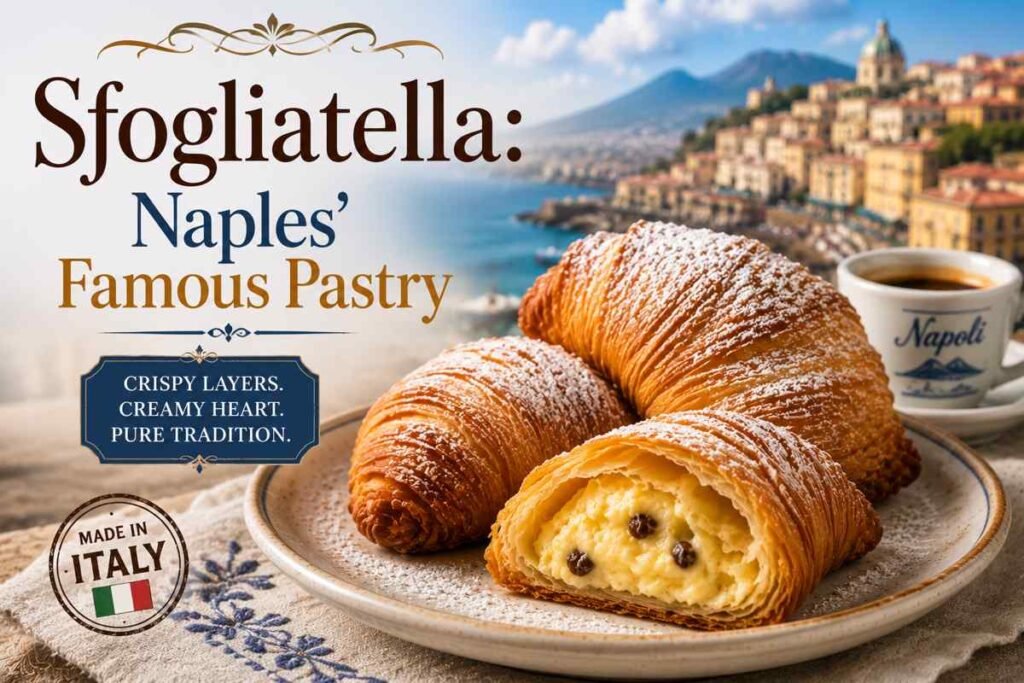
Sfogliatella is a traditional pastry from Naples known for its flaky layers and delicious filling. The pastry shell is carefully folded into thin layers that become crisp and golden when baked.
There are two main versions of sfogliatella: the crispy “riccia” and the softer “frolla.” Both are usually filled with ricotta cheese, semolina, sugar, citrus peel, and cinnamon.
Preparing sfogliatella requires patience and skill. Bakers carefully shape the dough to create the pastry’s distinctive shell-like appearance. The result is a dessert with a satisfying crunch and fragrant filling.
In Naples, sfogliatella is commonly enjoyed with espresso in the morning or as an afternoon snack. Its rich flavor and unique texture make it one of the most recognizable pastries in Italy.
Zabaglione: A Traditional Italian Cream Dessert
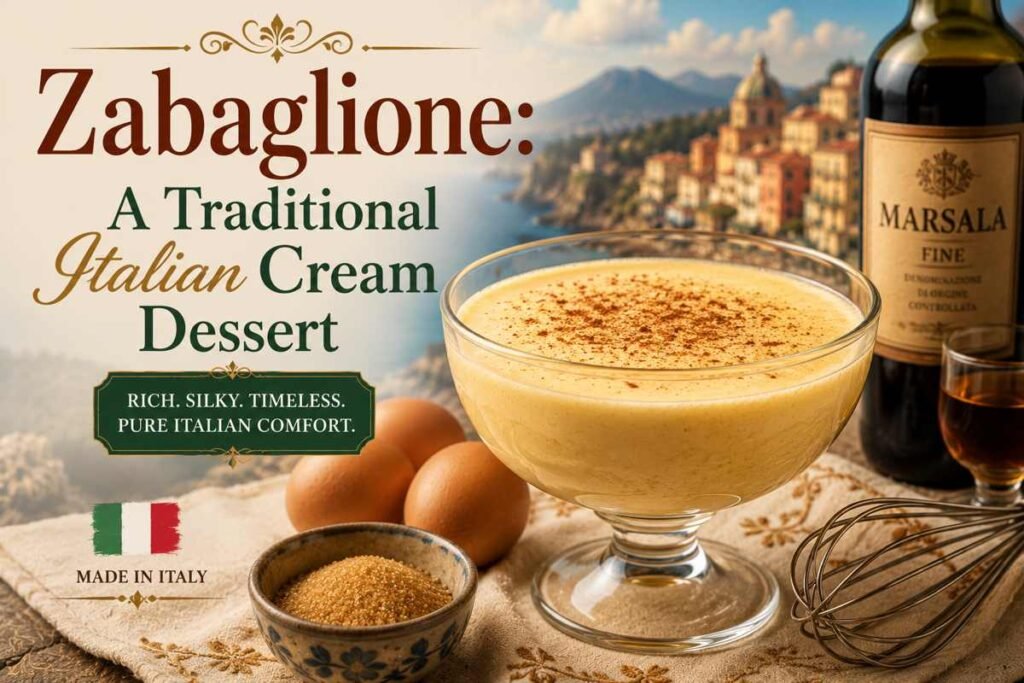
Zabaglione is a light custard-like dessert made from egg yolks, sugar, and sweet wine, usually Marsala wine. This dessert has been part of Italian culinary tradition for centuries.
The mixture is whisked over gentle heat until it becomes airy and creamy. Zabaglione can be served warm or chilled and is often paired with fresh berries, cookies, or cake.
Although simple, zabaglione requires careful preparation to achieve the perfect consistency. The dessert has a delicate texture and rich flavor that highlights the sweetness of the wine.
Many Italian families prepare zabaglione during holidays and celebrations because it feels comforting and luxurious without requiring complicated ingredients.
Cassata: Sicily’s Colorful Celebration Cake
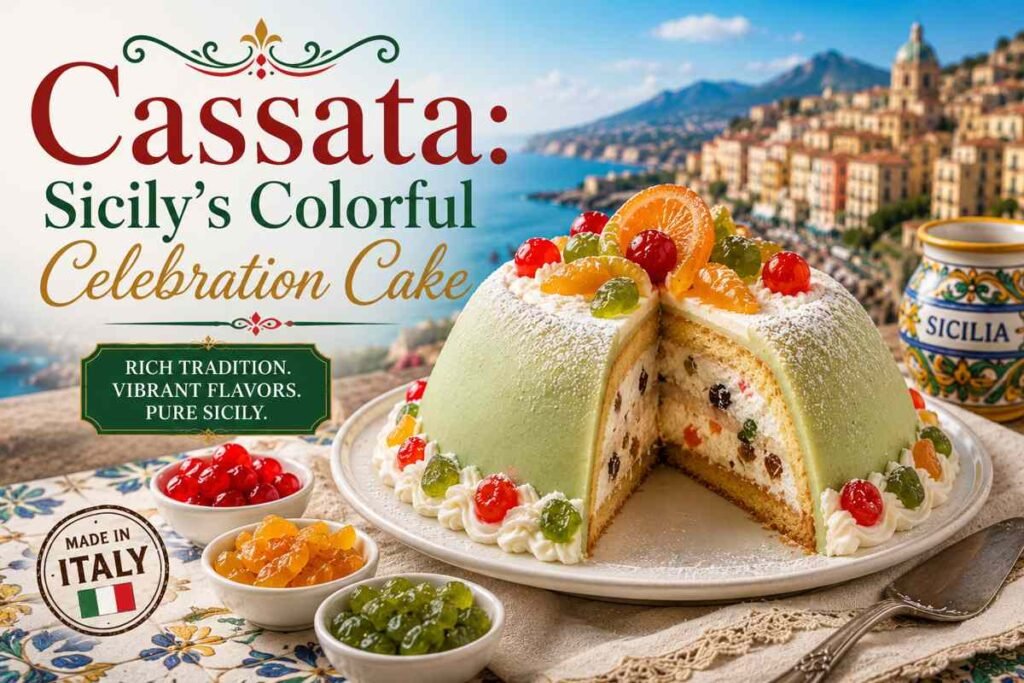
Cassata is another famous Sicilian dessert known for its vibrant appearance and rich flavor. This traditional cake combines sponge cake, sweet ricotta filling, marzipan, candied fruit, and icing.
The origins of cassata reflect Sicily’s diverse cultural influences, including Arab and Spanish culinary traditions. The use of citrus fruits, almonds, and sweet ricotta showcases the island’s agricultural heritage.
Cassata is often served during Easter and festive occasions. While it may appear elaborate, the dessert focuses heavily on balance between sweetness, creaminess, and fresh citrus flavor.
Modern versions sometimes simplify the decoration, but traditional Sicilian cassata remains one of Italy’s most visually striking desserts.
Amaretti Cookies: Italy’s Almond Treat
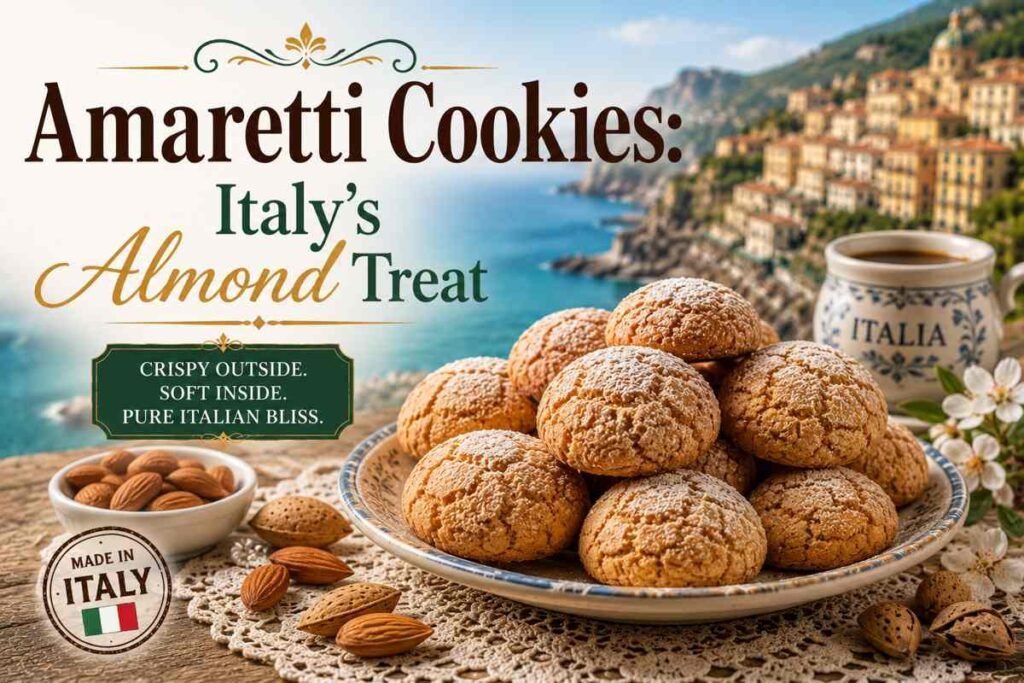
Amaretti cookies are small almond-flavored biscuits enjoyed throughout Italy. These cookies can be soft and chewy or crisp and crunchy depending on the recipe.
The primary ingredients include almonds, sugar, and egg whites. Some recipes also use apricot kernels for a slightly bitter flavor that balances the sweetness.
Amaretti cookies pair perfectly with coffee, tea, or dessert wine. They are often served during holidays and family gatherings because they store well and are easy to share.
Many Italian desserts use crushed amaretti cookies as an ingredient in cakes, puddings, and creamy desserts. Their nutty flavor adds depth and texture to many traditional recipes.
Affogato: The Perfect Coffee Dessert
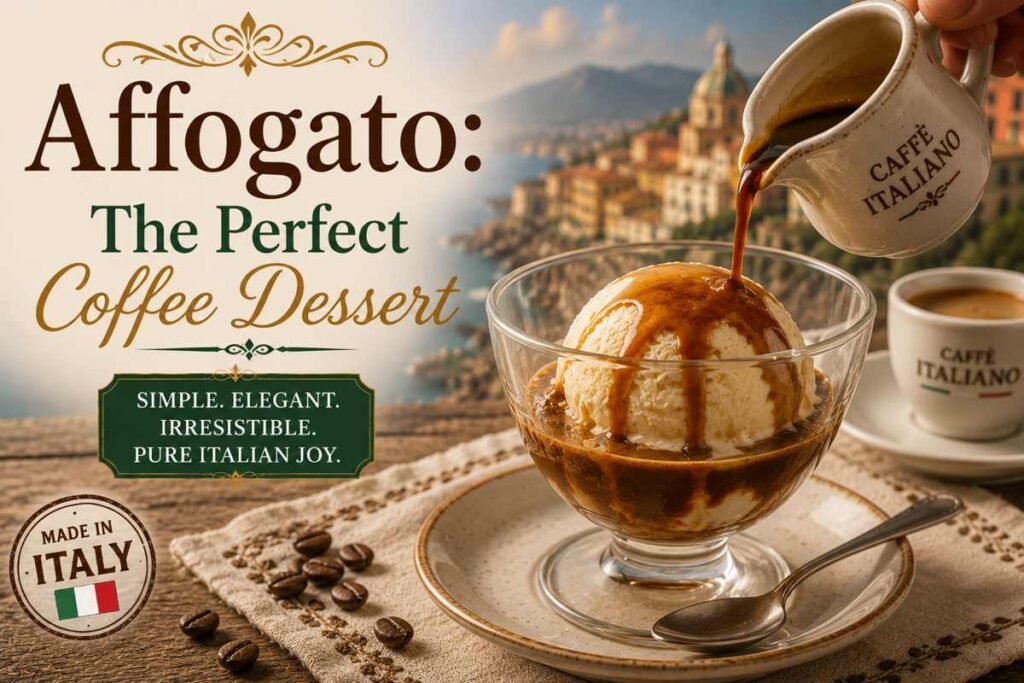
Affogato is one of the simplest yet most satisfying Italian desserts. It consists of a scoop of vanilla gelato topped with a shot of hot espresso.
The word “affogato” means “drowned” in Italian, referring to the gelato being covered by coffee. The contrast between hot espresso and cold gelato creates a rich and creamy dessert experience.
Some variations include chocolate shavings, liqueur, or biscotti on the side, but the traditional version remains minimal and elegant.
Affogato is especially popular during summer because it combines dessert and coffee in one refreshing treat.
Why Italian Desserts Remain Popular Worldwide
Italian desserts continue to attract people across the globe because they focus on authentic ingredients and timeless preparation methods. Unlike many modern sweets that rely heavily on artificial flavorings or excessive sugar, Italian desserts emphasize balance and natural taste.
Another reason for their popularity is variety. Each region in Italy offers unique specialties shaped by local traditions. Travelers can explore completely different dessert styles simply by moving from one city to another.
Italian desserts also fit naturally into social life. Families gather around pastries and coffee, friends enjoy gelato during evening walks, and celebrations often include traditional cakes and sweets. These desserts are more than recipes—they are part of Italian culture and daily life.
Tips for Enjoying Authentic Italian Desserts
If you want to experience authentic Italian desserts, choosing quality over quantity is important. Small local bakeries and family-owned cafés often prepare recipes using traditional methods and fresh ingredients.
When visiting Italy, try desserts specific to each region. Sicily is famous for cannoli and cassata, Naples is known for sfogliatella, and northern Italy offers excellent panna cotta and tiramisu.
Pairing desserts with espresso or dessert wine can also enhance the experience. Italians often enjoy sweets slowly, appreciating the flavor and texture rather than rushing through the meal.
For those making Italian desserts at home, using authentic ingredients such as mascarpone cheese, ricotta, espresso, and fresh nuts can make a major difference in flavor.
Conclusion
Italy’s dessert tradition combines history, craftsmanship, and exceptional ingredients to create sweets loved around the world. From the creamy layers of tiramisu to the crispy shell of cannoli and the refreshing smoothness of gelato, every dessert reflects the country’s passion for flavor and tradition.
Exploring the best Italian desserts is not only about satisfying a sweet craving. It is also a way to experience Italian culture, regional diversity, and culinary artistry. Whether enjoyed in a small Italian café or prepared at home, these desserts continue to bring comfort, celebration, and unforgettable taste to millions of people worldwide.
More Details : Best Sushi Rice Brands: A Complete Guide to Choosing the Right Rice for Sushi
FAQs
1. What is the most famous Italian dessert?
Tiramisu is widely considered the most famous Italian dessert because of its rich coffee flavor and creamy mascarpone layers.
2. What makes gelato different from ice cream?
Gelato contains less fat and air than traditional ice cream, giving it a denser texture and stronger flavor.
3. Which Italian dessert comes from Sicily?
Cannoli and cassata are two of Sicily’s most famous traditional desserts.
4. Is panna cotta served hot or cold?
Panna cotta is usually served chilled and often topped with fruit sauce, caramel, or chocolate.
5. What dessert pairs best with espresso?
Affogato, tiramisu, and amaretti cookies are popular Italian desserts commonly enjoyed with espresso.