Food
Chicken Paprikash: A Traditional Hungarian Dish Rooted in History and Flavor

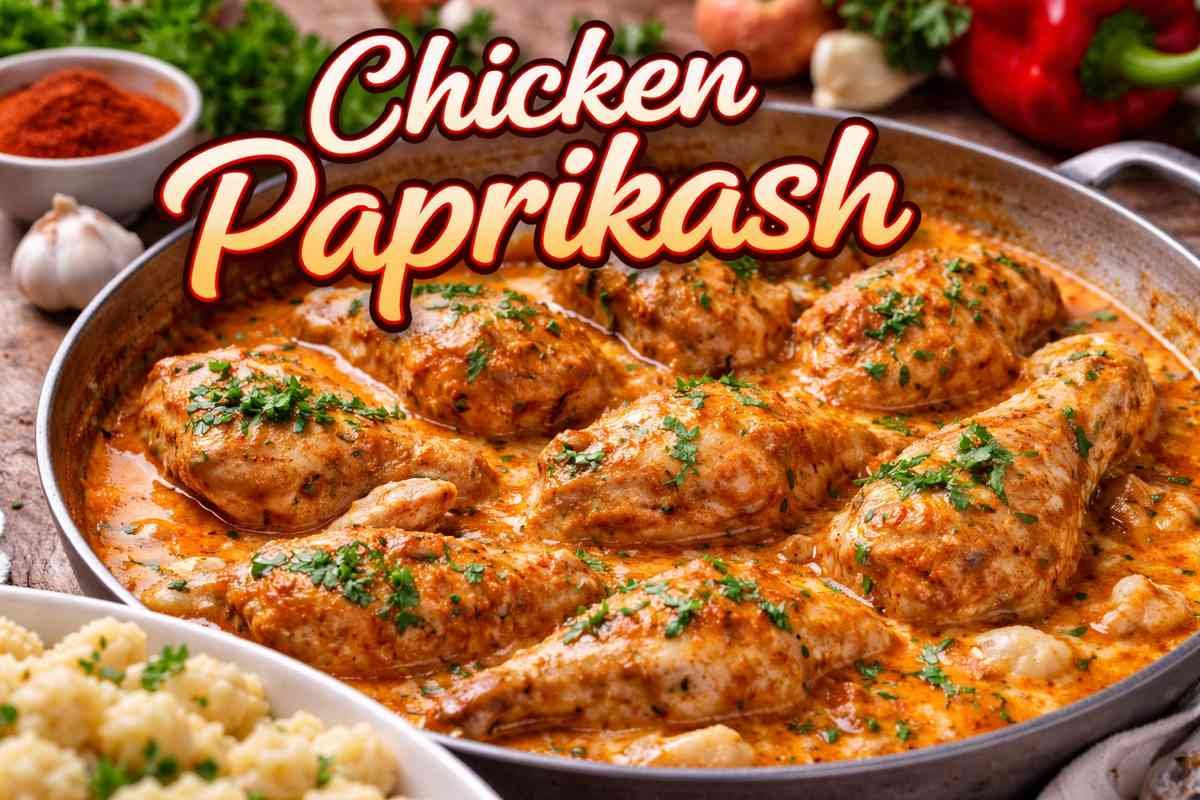
Chicken Paprikash is one of Hungary’s most iconic national dishes, known for its deep paprika flavor, tender chicken, and rich, creamy sauce. This dish is not only a staple of Hungarian home cooking but also a culinary representation of the country’s agricultural heritage and regional identity. Its simplicity, combined with careful technique, has allowed it to remain relevant across generations and borders.
Origins and Historical Background
The dish emerged in Hungary during the late 18th century, a period when paprika became widely cultivated and affordable. Before this time, Hungarian cooking relied heavily on black pepper and imported spices. As paprika production expanded locally, it began replacing expensive seasonings and reshaped traditional recipes. Chicken Paprikash developed as a practical meal for rural households, using accessible ingredients while delivering robust flavor.
The Central Role of Paprika
Paprika is the defining ingredient that gives the dish its color, aroma, and character. Hungarian paprika is unique due to its processing method and regional soil conditions, producing a spice that ranges from mild and sweet to moderately hot. The correct use of paprika requires controlled heat, as overheating can cause bitterness. This technique is essential to achieving the dish’s signature balance.
Ingredient Simplicity and Purpose
One of the strengths of this dish lies in its minimal ingredient list. Chicken serves as a neutral protein that absorbs surrounding flavors. Onions provide natural sweetness and help thicken the sauce as they break down. Paprika delivers warmth and depth, while sour cream introduces creaminess and mild acidity. Each ingredient plays a specific role, making substitutions impactful.
Traditional Cooking Method Explained
Authentic preparation begins with slowly softening onions in fat until translucent. Paprika is added off heat to preserve its flavor compounds, followed immediately by liquid to stabilize the spice. Chicken pieces are then simmered gently rather than boiled aggressively. This slow cooking process ensures tender meat and a cohesive sauce without the need for flour-heavy thickeners.
Importance of Bone-In Chicken
Traditional recipes favor bone-in chicken pieces because bones contribute collagen and flavor to the sauce. As the dish simmers, these elements naturally enrich the texture and mouthfeel. Boneless chicken may offer convenience, but it lacks the depth that bones provide during cooking.
The Role of Sour Cream in Flavor Balance
Sour cream is incorporated toward the end of cooking to prevent curdling. Its acidity softens the intensity of paprika and creates a smooth, velvety sauce. This step transforms the dish from a simple stew into a refined comfort meal. Proper tempering of sour cream is essential for maintaining texture.
Regional Variations Within Hungary
Different regions of Hungary prepare the dish with subtle variations. Southern regions may use hotter paprika varieties, while northern areas sometimes include green peppers or tomatoes. Some households prefer a thicker sauce, while others keep it lighter. These variations reflect local tastes rather than strict rules.
Traditional Side Dishes and Serving Style
The most traditional accompaniment is nokedli, small dumplings similar to German spaetzle. These dumplings absorb the sauce efficiently and complement the dish’s richness. Alternatives include boiled potatoes or egg noodles. Pickled vegetables or cucumber salad are often served on the side to add freshness and contrast.
Nutritional Characteristics
From a nutritional perspective, the dish provides a balanced mix of protein and fats. Chicken contributes lean protein, while paprika offers antioxidants such as vitamin A compounds. Sour cream increases calorie content but also supplies calcium. When prepared traditionally and eaten in moderation, it fits well into a balanced diet.
Chicken Paprikash in Global Cuisine
As Hungarian immigrants settled in other parts of Europe and North America, they introduced this dish to new audiences. Today, it appears in international cookbooks and restaurant menus worldwide. Despite adaptations for local preferences, its core identity remains intact.
Differences From Similar Paprika-Based Dishes
Although often confused with goulash, Chicken Paprikash differs significantly. Goulash is more soup-like and often uses beef, potatoes, and additional vegetables. This dish focuses on a creamy sauce and emphasizes poultry and dairy, giving it a smoother and richer texture.
Modern Adaptations and Cooking Trends
Modern cooks sometimes modify the recipe for dietary needs, using yogurt instead of sour cream or skinless chicken to reduce fat. While these changes alter the final flavor, the foundational technique remains influential in contemporary kitchens.
Preserving Authenticity at Home
Authenticity depends on ingredient quality and cooking technique rather than strict measurements. Using genuine Hungarian paprika, avoiding excessive spices, and respecting traditional heat control are key factors. These elements preserve the dish’s original character even in modern kitchens.
Cultural Significance and Longevity
This dish has endured because it represents more than food; it reflects family traditions and shared cultural memory. It is often associated with home-cooked meals and communal dining, reinforcing its emotional importance in Hungarian society.
More Details : Honeywell Humidifier: A Complete Informative Guide for Healthier Indoor Air
Frequently Asked Questions
What type of paprika is best for this dish?
Authentic Hungarian sweet paprika is preferred for balanced flavor and color.
Is Chicken Paprikash traditionally spicy?
No, it is typically mild, with warmth rather than heat.
Can it be made ahead of time?
Yes, the flavor often improves after resting and reheating gently.
What is the traditional thickening method?
The sauce thickens naturally from onions and sour cream, not flour.
Is this dish considered everyday food in Hungary?
Yes, it is commonly prepared as a regular family meal.


Monica AI: The Virtual Assistant That Revolutionized My Daily Workflow

AI Transformation is a Problem of Governance: Understanding the Impact on Society and Decision-Making

The Life of Chuck: A Deep Dive into an Enigmatic Film

Encanto Characters Explained: The Madrigal Family, Their Gifts, and What They Mean

I Tested Originality.AI’s AI Detector: A Comprehensive Review

The Ultimate Guide to Literary Devices: Exploring the Tools of Writing

What Does “Tralalero Tralala” Mean? Unpacking the Mystery

Apothecary Diaries Season 3: Everything You Need to Know About the Upcoming Installment

10 Things You Should Know About Yuta Okkotsu Before Jujutsu Kaisen Season 3

Jurassic World Rebirth Dinosaurs: A Deep Dive into the New Dinosaurs and Their Threat Levels

Semana Santa 2026: Dates, Traditions, and Global Celebrations

Understanding pi123: Meaning, Uses, and Why It Matters

Pedantic: Meaning, Importance, and Why Being Pedantic Can Actually Be a Strength

What Is a Runtime Environment? A Complete Beginner-Friendly Guide

A Practical Look at the Most Impactful Marketing Campaigns of 2025

10 Best Coding Podcasts Every Developer Should Listen to in 2026

Claude Cowork: A Complete Guide to Anthropic’s AI Desktop Agent

Debate Unlocked: Are There More Doors or Wheels in the World?

Beyond the Hype: A Practical Look at SOUL AI

Playing Games On Blog Playbattlesquare Gaming Hub: Smart Ways to Learn, Play, and Improve Online
Monica AI: The Virtual Assistant That Revolutionized My Daily Workflow
AI Transformation is a Problem of Governance: Understanding the Impact on Society and Decision-Making
The Life of Chuck: A Deep Dive into an Enigmatic Film
Encanto Characters Explained: The Madrigal Family, Their Gifts, and What They Mean
I Tested Originality.AI’s AI Detector: A Comprehensive Review
The Ultimate Guide to Literary Devices: Exploring the Tools of Writing
What Does “Tralalero Tralala” Mean? Unpacking the Mystery
Apothecary Diaries Season 3: Everything You Need to Know About the Upcoming Installment
10 Things You Should Know About Yuta Okkotsu Before Jujutsu Kaisen Season 3
Jurassic World Rebirth Dinosaurs: A Deep Dive into the New Dinosaurs and Their Threat Levels
-

 Tech1 month ago
xxx is equal to 2022: A Complete Informative Explanation of a Cubic Equation
-

 Entertainment2 months ago
The Artistic World of Gege Akutami: A Mastermind Behind Jujutsu Kaisen
-

 Entertainment2 months ago
Jujutsu Kaisen Modulo: A Deep Informative Exploration of Power Systems, Symbolism, and Modern Anime Culture
-

 Entertainment2 months ago
Muichiro Personality Explained: Traits, Mindset, and Emotional Depth