
Tech
Circuit Breaker: A Comprehensive Guide to Understanding Its Function and Importance

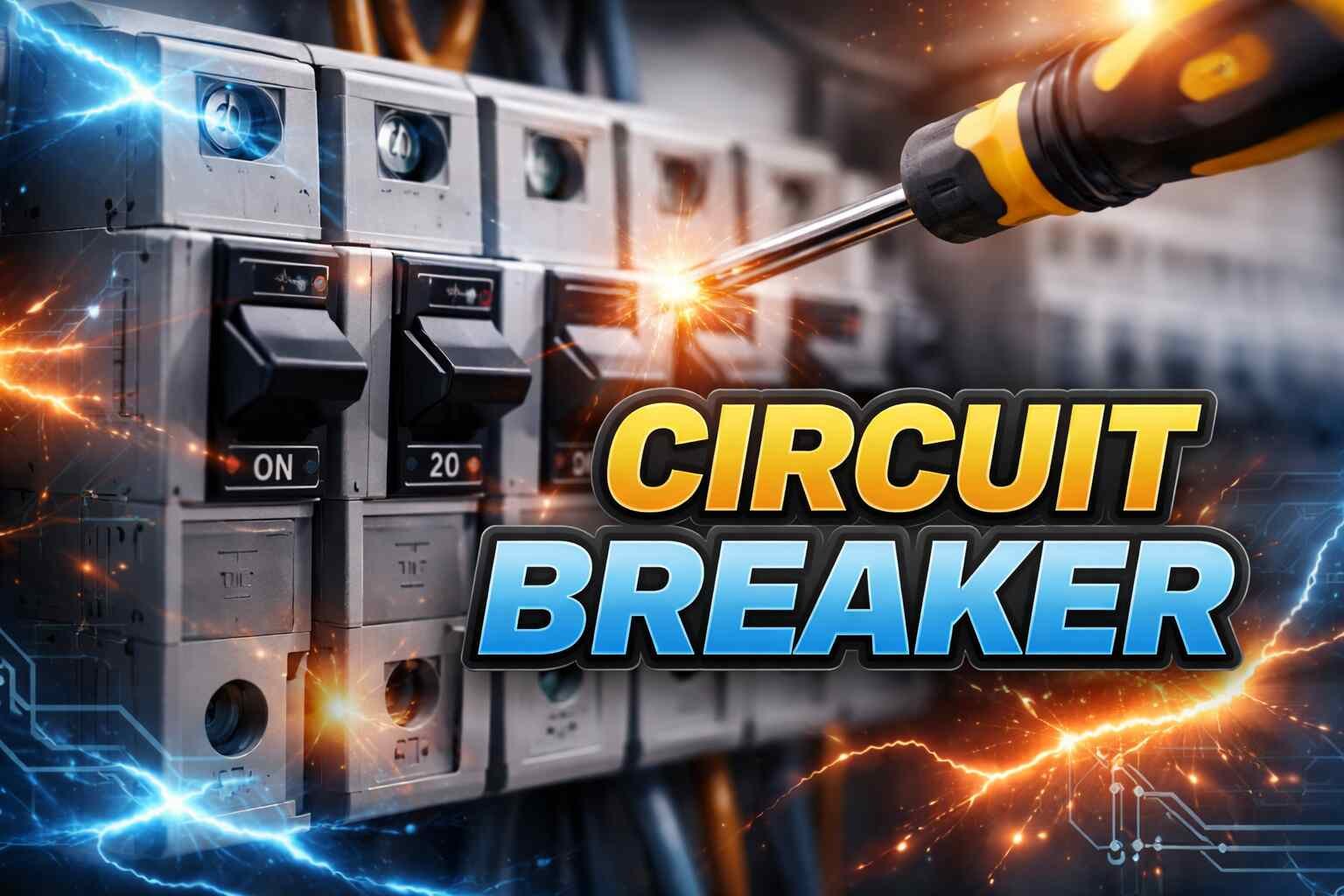
A circuit breaker is a critical component of any electrical system, designed to automatically interrupt the flow of electricity in the event of a fault, protecting both the electrical circuit and connected devices from damage. It serves as an essential safety mechanism that prevents electrical fires, protects appliances, and ensures the longevity of electrical systems. This article will provide an in-depth look at circuit breakers, explaining their functions, types, installation process, and how to maintain them.
What Is a Circuit Breaker?
A circuit breaker is an electrical device that automatically opens a circuit to stop the flow of current when a fault is detected. Unlike a fuse, which must be replaced once blown, a circuit breaker can be reset after it has been triggered. The primary purpose of a circuit breaker is to protect electrical wiring and appliances from damage caused by overcurrent, short circuits, or electrical overloads.
When an electrical fault occurs, such as a short circuit or an overload, the breaker detects the problem and disconnects the current to prevent further damage. This quick action helps prevent fires, equipment damage, and other hazards.
The Role of Circuit Breakers in Electrical Safety
Circuit breakers play a vital role in electrical safety, ensuring that electrical systems operate smoothly without causing harm to people or property. When an overcurrent condition occurs—either due to a short circuit, faulty wiring, or an overload—the circuit breaker instantly trips, preventing the excessive flow of electricity that could lead to catastrophic damage.
In homes and businesses, circuit breakers are found in electrical panels or breaker boxes, where they manage the electricity flow to various areas of the building. By cutting off power during a fault, they protect the wiring, devices, and users from electrical hazards.
Types of Circuit Breakers
There are several types of circuit breakers, each designed to handle specific electrical needs and conditions. Below are the most common types:
1. Standard Circuit Breakers (Thermal-Magnetic)
These are the most common types found in residential and commercial properties. They combine thermal and magnetic mechanisms to detect overcurrent situations. The thermal component reacts to slow overloads, while the magnetic component reacts quickly to short circuits. When an overload is detected, the breaker trips and cuts off the electrical supply.
2. Ground Fault Circuit Breakers (GFCIs)
Ground Fault Circuit Interrupters (GFCIs) are specialized circuit breakers designed to protect people from electrical shocks. They work by detecting any imbalance between the hot and neutral wires, which can occur if there is a ground fault. GFCIs are commonly installed in areas with high moisture levels, such as bathrooms, kitchens, and outdoor outlets.
3. Arc Fault Circuit Breakers (AFCIs)
Arc Fault Circuit Interrupters (AFCIs) are designed to prevent electrical fires caused by arc faults. An arc fault is a high-power discharge of electricity that can occur when there are damaged wires, loose connections, or corroded contacts. AFCIs monitor the circuit for unusual arcs, and when detected, they trip the breaker, cutting off the power.
4. Dual Function Circuit Breakers
These breakers combine the functionality of both GFCIs and AFCIs, providing protection against both ground faults and arc faults. Dual-function breakers are typically used in high-risk areas, ensuring enhanced safety for homes and businesses.
5. High-Voltage Circuit Breakers
Used in industrial and commercial applications, high-voltage circuit breakers are designed to handle much larger currents and voltages. They are typically found in power plants, substations, and large-scale electrical distribution systems. These breakers must be more robust and capable of handling severe electrical faults.
How Do Circuit Breakers Work?
The operation of a circuit breaker depends on its type, but the basic principle remains the same: detecting an abnormal condition and disconnecting the circuit to prevent damage. Here’s a closer look at how they work:
- Overload Protection: When too much current flows through the circuit due to excess devices connected or a malfunction, the circuit breaker detects the heat generated and trips the switch to disconnect the power.
- Short Circuit Protection: In case of a short circuit (where the hot wire touches the neutral wire), the breaker’s magnetic component senses the sudden surge of current and disconnects the power almost instantly.
- Fault Detection: In the case of ground faults or arc faults, the breaker detects irregularities like imbalances in current flow, potential shocks, or sparks and cuts the circuit to avoid further damage or danger.
The Importance of Regular Circuit Breaker Maintenance
Just like any other mechanical device, circuit breakers require regular inspection and maintenance to ensure they are functioning correctly. Faulty breakers can cause electrical hazards, leading to potential damage or even fire. Regular testing and timely replacement of outdated or malfunctioning circuit breakers are essential for maintaining electrical safety.
1. Visual Inspection
Regularly inspect the breaker panel for any signs of damage, wear, or overheating. If you notice any discoloration, scorch marks, or a burning smell, it could indicate a serious issue, and the circuit breaker should be checked by a professional.
2. Testing the Breaker
Periodically, test your circuit breakers to ensure they trip properly when an overload or short circuit occurs. You can do this by manually switching the breaker off and on, or you can use a circuit breaker tester, which is available at hardware stores.
3. Replacing Old Circuit Breakers
Circuit breakers have a lifespan and may wear out over time. If a circuit breaker constantly trips, is more than 20 years old, or does not trip during a fault, it should be replaced. Call a licensed electrician to replace the breaker if needed.
How to Choose the Right Circuit Breaker
Selecting the appropriate circuit breaker depends on several factors:
- Amperage Rating: Choose a circuit breaker that matches the amperage rating of the wire and the devices it protects. Common ratings include 15, 20, and 30 amps.
- Voltage Rating: Ensure that the circuit breaker is rated for the appropriate voltage (e.g., 120V or 240V) for your electrical system.
- Type of Load: Different devices require different protection. For example, sensitive electronics may require GFCIs or AFCIs, while high-power devices may need a breaker capable of handling high currents.
- Location of Installation: Consider the environment in which the circuit breaker will be installed. GFCIs are ideal for damp areas, while AFCIs should be installed in areas with complex wiring.
- More Details : Latest Breakthroughs in Quantum Computing 2024: Major Innovations Shaping the Future of Technology
FAQs About Circuit Breakers
1. What causes a circuit breaker to trip?
A circuit breaker trips when it detects an overload, short circuit, or ground fault, cutting the power to prevent damage to the wiring and connected devices.
2. Can a circuit breaker be reset?
Yes, circuit breakers can be reset by flipping the switch back to the “on” position once the issue has been addressed. However, if the breaker continues to trip, it may need replacement.
3. How often should a circuit breaker be replaced?
Circuit breakers typically last 20-30 years. However, if they show signs of wear or if they frequently trip without cause, they should be replaced sooner.
4. Are circuit breakers more reliable than fuses?
Yes, circuit breakers are more reliable than fuses because they can be reset, unlike fuses, which need to be replaced after blowing.
5. How do I know if my circuit breaker is bad?
If your circuit breaker trips frequently, doesn’t trip during a fault, or is making unusual noises or showing signs of damage, it may need replacement.
Conclusion
Circuit breakers are essential safety devices in any electrical system. They prevent electrical damage and hazards by automatically cutting the power when faults occur. With different types of breakers available, selecting the right one for your specific needs ensures the protection of your electrical system and devices. Regular maintenance and timely replacement of outdated or faulty circuit breakers are necessary to ensure your home or business remains safe from electrical risks.

The Dark Psychology of Andrea Greene: A Deep Dive into Swarm’s Most Disturbing Character

What Is Scarlet iOS and How Does It Work on iPhone and iPad?

Seeing Beyond the Surface: Understanding Mirror-Testing and Self-Awareness

Unlocking Opportunities in Proprietary Trading: A Deep Dive into The Funded Trader

Sekiro Bosses: A Complete Informative Guide to Every Major Fight

Bark Phone Review: What Parents and Teens Are Really Saying

15 Powerful Database Optimization Techniques to Boost Performance

Apology Letter: Writing a Genuine and Effective Apology That Works

Why Venice AI Outperforms Other Big AI Platforms: An In-Depth Look

Office Deployment Tool: A Complete Guide to Installing Office 365

10 Best Coding Podcasts Every Developer Should Listen to in 2026

Understanding Black Box AI: Unlocking the Secrets of Unexplained Algorithms

What Is a Runtime Environment? A Complete Beginner-Friendly Guide

Encanto Characters Explained: The Madrigal Family, Their Gifts, and What They Mean

Pedantic: Meaning, Importance, and Why Being Pedantic Can Actually Be a Strength

Claude Cowork: A Complete Guide to Anthropic’s AI Desktop Agent

Understanding pi123: Meaning, Uses, and Why It Matters

Debate Unlocked: Are There More Doors or Wheels in the World?

A Practical Look at the Most Impactful Marketing Campaigns of 2025

Makima Chainsaw Man: The Power, Mystery, and Meaning Behind One of Anime’s Most Talked About Characters
The Dark Psychology of Andrea Greene: A Deep Dive into Swarm’s Most Disturbing Character
What Is Scarlet iOS and How Does It Work on iPhone and iPad?
Seeing Beyond the Surface: Understanding Mirror-Testing and Self-Awareness
Unlocking Opportunities in Proprietary Trading: A Deep Dive into The Funded Trader
Sekiro Bosses: A Complete Informative Guide to Every Major Fight
Bark Phone Review: What Parents and Teens Are Really Saying
15 Powerful Database Optimization Techniques to Boost Performance
Apology Letter: Writing a Genuine and Effective Apology That Works
Why Venice AI Outperforms Other Big AI Platforms: An In-Depth Look
Office Deployment Tool: A Complete Guide to Installing Office 365
-

 Tech2 months ago
xxx is equal to 2022: A Complete Informative Explanation of a Cubic Equation
-

 Entertainment2 months ago
The Artistic World of Gege Akutami: A Mastermind Behind Jujutsu Kaisen
-

 Entertainment2 months ago
Jujutsu Kaisen Modulo: A Deep Informative Exploration of Power Systems, Symbolism, and Modern Anime Culture
-

 Entertainment2 months ago
Muichiro Personality Explained: Traits, Mindset, and Emotional Depth