
Entertainment
Farming Life in Another World: A Peaceful Isekai Built on Agriculture and Community

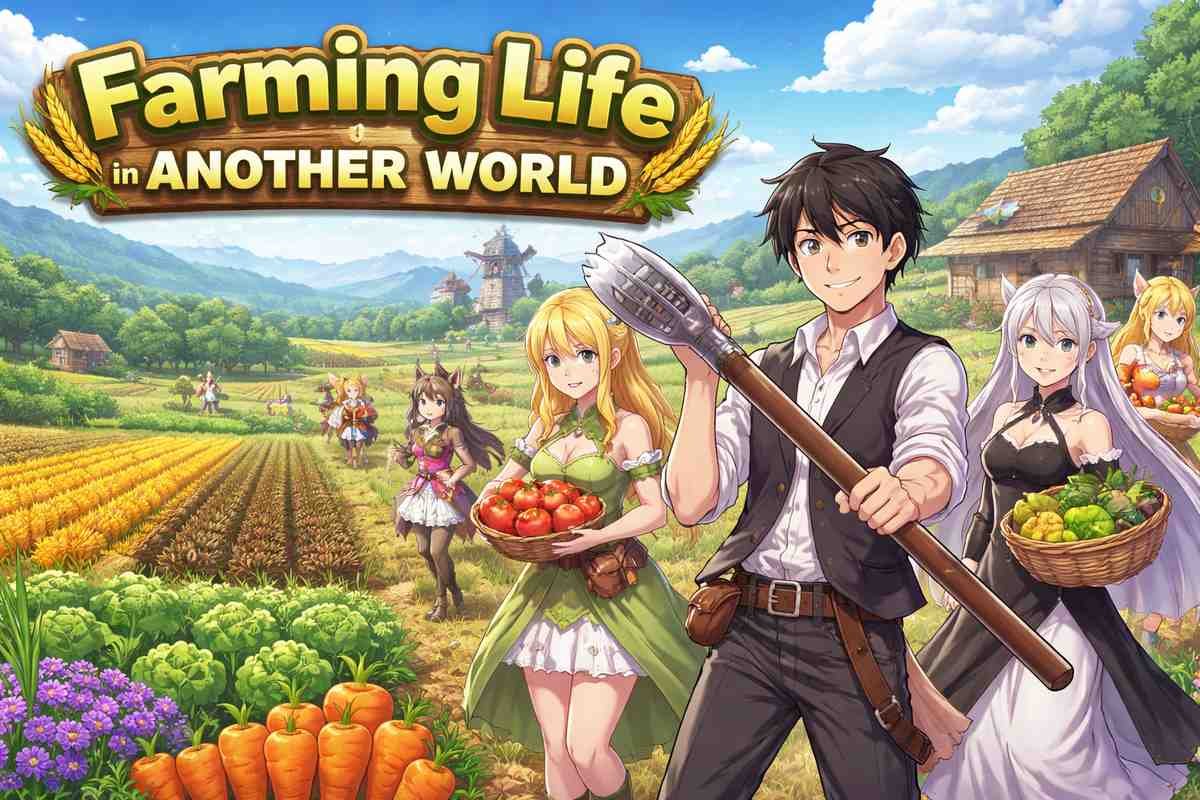
Farming Life in Another World is a Japanese isekai anime and light novel series that presents a calm and structured fantasy setting. Instead of focusing on intense battles or hero conflicts, the story centers on agriculture, village creation, and sustainable living. This approach makes the series unique within the isekai genre, offering viewers a slower and more thoughtful narrative experience.
Background and Original Source
The series originates from a light novel written by Kinosuke Naito, with illustrations by Yasumo. It was first published online before being officially released in print form. Due to its growing popularity, the story was later adapted into a manga and eventually an anime series. Each adaptation maintains the core theme of farming-based survival in a fantasy world.
Genre and Storytelling Approach
This series blends isekai, fantasy, slice of life, and world-building elements. The storytelling avoids sudden plot twists and instead focuses on gradual progress. The pacing allows viewers to understand how systems such as farming, housing, and social organization develop over time.
Core Story Concept
The story follows a man who dies due to illness and is reincarnated into another world with a healthy body. Rather than receiving combat abilities, he is given a powerful multi-purpose farming tool. His main objective is to live peacefully by cultivating land and producing food, which eventually leads to the creation of a thriving village.
This focus makes farming life in another world distinct from traditional power-driven isekai narratives.
Protagonist and Leadership Role
Hiraku Machio, the main character, acts as a farmer, planner, and community leader. His leadership style is based on cooperation and logical decision-making rather than authority. He assigns tasks based on skills and ensures that resources are managed efficiently to support long-term survival.
World Design and Natural Environment
The fantasy world is designed with attention to natural elements such as forests, seasons, soil conditions, and climate. Farming decisions depend on environmental factors, making the setting feel realistic. The land itself becomes a central character, influencing how the village grows and adapts.
Farming Systems and Agricultural Logic
Agriculture is portrayed with surprising depth. The series explains land clearing, crop planting, harvesting cycles, and food storage. Farming is not treated as a background activity but as the foundation of survival and progress. These systems highlight how agriculture supports population growth and stability.
Development of the Village
As agricultural production increases, the settlement expands naturally. Houses, storage buildings, workshops, and meeting areas are constructed step by step. Each expansion is justified by available resources and labor, avoiding unrealistic or instant development.
Social Organization and Daily Life
The village operates through shared responsibility. Tasks are distributed among residents based on physical ability and expertise. Daily routines focus on farming, construction, and maintenance, creating a structured and peaceful lifestyle that supports community harmony.
Role of Fantasy Races
Various fantasy races join the settlement, including elves, beastfolk, vampires, and angels. Each race contributes specific strengths, such as physical labor, agricultural knowledge, or leadership skills. Their cooperation demonstrates how diversity strengthens community survival.
Economic Growth Through Agriculture
Once food production exceeds local needs, trade begins. Crops and agricultural products become valuable trade goods. This trade system helps the village establish relationships with other regions and gain access to tools, materials, and knowledge.
Tools and Practical Technology
Technology in the series is simple but effective. The protagonist’s farming tool adapts to multiple tasks, including plowing, harvesting, and construction. Rather than advanced magic, progress is achieved through efficiency and practical innovation.
Conflict Management and Defense
Although the series avoids constant combat, threats still exist. Instead of direct fighting, problems are solved through planning, defensive structures, and cooperation. This reinforces the theme that intelligence and preparation are more valuable than raw strength.
Themes and Underlying Messages
The series emphasizes self-sufficiency, sustainable living, cooperation, and peaceful leadership. It presents success as stability and community well-being rather than personal power. These themes resonate strongly with viewers seeking meaningful storytelling.
Anime Adaptation and Visual Style
The anime adaptation focuses on clean animation and detailed backgrounds. Farmlands, forests, and village layouts are visually emphasized. The animation style supports the calm atmosphere rather than relying on flashy effects.
Target Audience and Viewer Appeal
This series is ideal for viewers who enjoy slow-paced anime, world-building, and management-style storytelling. It appeals to audiences who prefer logic-driven progress and realistic systems over intense action.
Popularity and Reception
Farming life in another world gained popularity due to its refreshing concept and consistency. Fans appreciate its dedication to farming and village life without shifting into typical action-heavy arcs.
Comparison with Traditional Isekai Stories
Unlike most isekai anime, there is no demon king, chosen hero, or large-scale war. Progress comes from labor, planning, and cooperation. This grounded approach differentiates the series within the genre.
Educational Value of the Series
The anime subtly introduces concepts related to agriculture, sustainability, leadership, and community management. While fictional, the systems reflect real-world logic and planning strategies.
Long-Term Story Potential
With extensive source material available, the franchise has strong potential for future seasons. The farming-based structure allows continued development without narrative exhaustion.
Final Thoughts
Farming life in another world offers a peaceful alternative to traditional isekai anime. By focusing on agriculture, structured growth, and cooperation, it delivers a unique viewing experience that values stability over spectacle. Its realistic systems and calm storytelling make it a standout series in modern fantasy anime.
Short FAQs
1. Is Farming Life in Another World an isekai anime?
Yes, it involves reincarnation into a fantasy world.
2. Does the story focus on action?
No, the focus is farming, village building, and daily life.
3. Is the anime suitable for casual viewers?
Yes, its slow pace makes it easy to follow.
4. Are multiple fantasy races included?
Yes, several races contribute to village life.
5. Is the anime based on a novel?
Yes, it is adapted from a Japanese light novel.
More Details : The Rise of Lord of Mysteries Anime: A Dark Fantasy That Redefines

The Life of Chuck: A Deep Dive into an Enigmatic Film

Encanto Characters Explained: The Madrigal Family, Their Gifts, and What They Mean

I Tested Originality.AI’s AI Detector: A Comprehensive Review

The Ultimate Guide to Literary Devices: Exploring the Tools of Writing

What Does “Tralalero Tralala” Mean? Unpacking the Mystery

Apothecary Diaries Season 3: Everything You Need to Know About the Upcoming Installment

10 Things You Should Know About Yuta Okkotsu Before Jujutsu Kaisen Season 3

Jurassic World Rebirth Dinosaurs: A Deep Dive into the New Dinosaurs and Their Threat Levels

The Red String Theory: Exploring Fate and Connection

ReMarkable 2 Writing Tablet: A Comprehensive Review of Its Features, Performance, and Benefits

Semana Santa 2026: Dates, Traditions, and Global Celebrations

Understanding pi123: Meaning, Uses, and Why It Matters

Pedantic: Meaning, Importance, and Why Being Pedantic Can Actually Be a Strength

What Is a Runtime Environment? A Complete Beginner-Friendly Guide

A Practical Look at the Most Impactful Marketing Campaigns of 2025

10 Best Coding Podcasts Every Developer Should Listen to in 2026

Claude Cowork: A Complete Guide to Anthropic’s AI Desktop Agent

Debate Unlocked: Are There More Doors or Wheels in the World?

Beyond the Hype: A Practical Look at SOUL AI

Playing Games On Blog Playbattlesquare Gaming Hub: Smart Ways to Learn, Play, and Improve Online
The Life of Chuck: A Deep Dive into an Enigmatic Film
Encanto Characters Explained: The Madrigal Family, Their Gifts, and What They Mean
I Tested Originality.AI’s AI Detector: A Comprehensive Review
The Ultimate Guide to Literary Devices: Exploring the Tools of Writing
What Does “Tralalero Tralala” Mean? Unpacking the Mystery
Apothecary Diaries Season 3: Everything You Need to Know About the Upcoming Installment
10 Things You Should Know About Yuta Okkotsu Before Jujutsu Kaisen Season 3
Jurassic World Rebirth Dinosaurs: A Deep Dive into the New Dinosaurs and Their Threat Levels
The Red String Theory: Exploring Fate and Connection
ReMarkable 2 Writing Tablet: A Comprehensive Review of Its Features, Performance, and Benefits
-

 Tech1 month ago
xxx is equal to 2022: A Complete Informative Explanation of a Cubic Equation
-

 Entertainment2 months ago
The Artistic World of Gege Akutami: A Mastermind Behind Jujutsu Kaisen
-

 Entertainment2 months ago
Jujutsu Kaisen Modulo: A Deep Informative Exploration of Power Systems, Symbolism, and Modern Anime Culture
-
 Entertainment2 months ago
Muichiro Personality Explained: Traits, Mindset, and Emotional Depth