
Tech
Feature Sliced Design: A Complete Guide to Modern Frontend Architecture

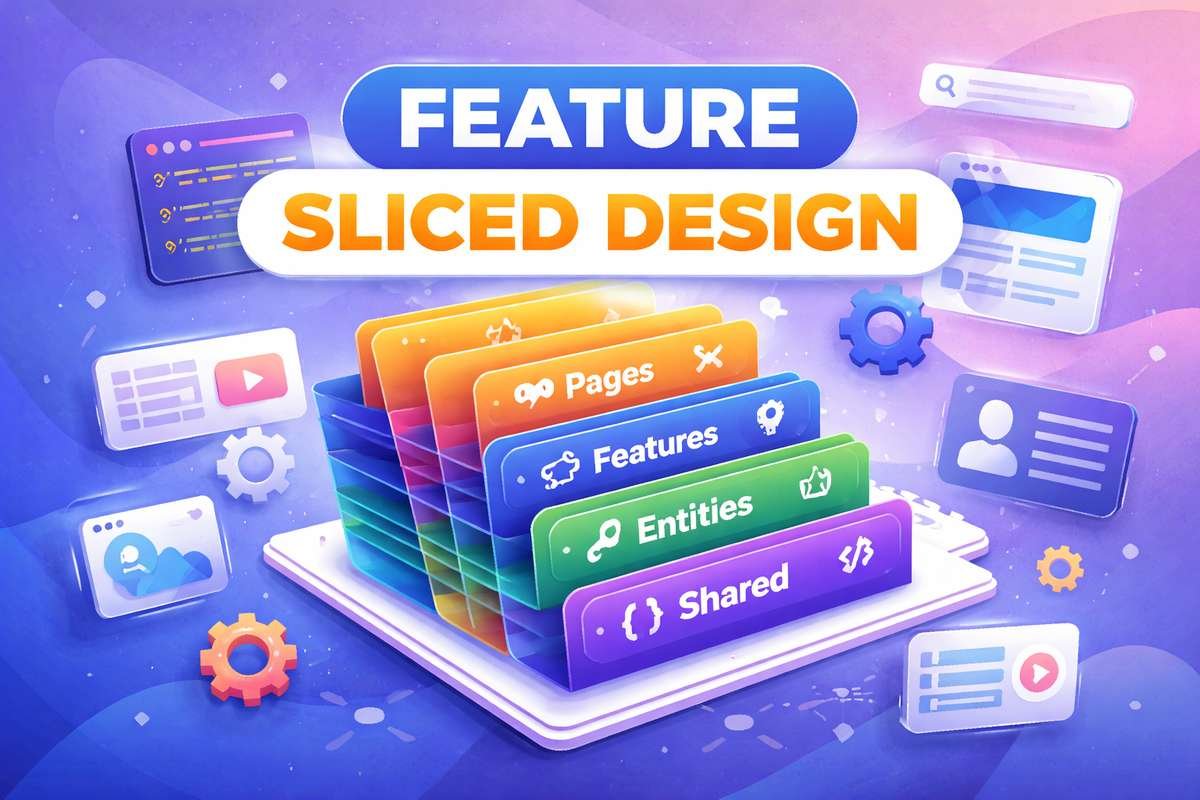
Modern frontend applications are no longer simple interfaces that only display data. They manage complex user flows, handle large amounts of state, communicate with multiple APIs, and evolve continuously with business needs. As applications grow, the way code is organized becomes just as important as the features themselves. Without a strong architectural foundation, even a talented team can struggle with slow development, fragile code, and painful refactoring.
The Real Problem with Growing Codebases
Most frontend projects start small and simple. Over time, new features are added, deadlines get tighter, and quick fixes become common. Gradually, the codebase turns into a collection of tightly coupled parts where changing one thing unexpectedly breaks another. This is not a tooling problem, but a structural one. When structure does not reflect real product boundaries, complexity increases faster than the product itself.
Why Architecture Is a Business Decision
Architecture is often seen as a purely technical concern, but in reality, it directly affects delivery speed, product stability, and team productivity. A well-structured project makes it easier to add new features, onboard new developers, and reduce long-term maintenance costs. A poor structure does the opposite, turning every change into a risk and every release into a stressful event.
The Idea Behind Feature-Oriented Structuring
Instead of grouping code by technical type, feature-oriented structuring groups code by business purpose. This means that everything related to a specific user capability lives close together. The UI, logic, and data handling for one feature are no longer scattered across the project but organized in a single, meaningful place. This shift makes the system easier to understand and safer to change.
What Feature Sliced Design Represents
Feature Sliced Design is a methodology for organizing frontend applications around clear layers and business-driven slices. The goal is to achieve high cohesion inside each part of the system and loose coupling between different parts. This approach creates predictable dependency rules and helps teams reason about changes before they write a single line of code.
Understanding the Layer Concept
Layers represent the highest level of structure in the application. Each layer has a specific responsibility and a clear place in the hierarchy. Typical layers include application setup, pages, widgets, features, entities, and shared resources. The most important rule is that dependencies flow in one direction, from higher layers to lower ones, never the other way around.
Why Layer Hierarchy Matters
The position of a layer in the hierarchy reflects how risky it is to change. Lower layers are usually more abstract and reused across many parts of the application. Changing them can have wide consequences. Higher layers are more specific and closer to real business logic, so changes there are usually safer and more localized. This mental model helps teams make better technical decisions.
The Role of Pages in Application Structure
Pages represent route-level screens that users interact with directly. They do not contain deep business logic themselves but compose features and widgets to form complete user experiences. This keeps pages readable and focused on layout and composition instead of implementation details.
Widgets as Reusable Interface Blocks
Widgets are relatively independent UI blocks that can be placed on pages. They often combine several features or entities into a cohesive visual unit. Their main purpose is to provide reusable building blocks that still respect architectural boundaries and do not become dumping grounds for unrelated logic.
Features as Units of Business Value
Features represent actions or workflows that provide direct value to the user, such as authentication, commenting, or filtering data. They contain the logic, UI, and interactions needed to perform a specific task. This is where most product-specific behavior lives, making this layer especially important for business development.
Entities as Core Business Models
Entities describe the main business objects of the application, such as users, products, or orders. They usually include data models, basic operations, and minimal UI representations. By keeping entities focused and stable, the rest of the system can rely on them without creating unnecessary coupling.
Shared Resources and Reusability
The shared layer contains generic components, utilities, configurations, and helpers that are not tied to any specific business domain. This includes UI kits, API clients, and common helpers. The key principle here is neutrality: shared code should not know anything about business rules or product-specific logic.
Slices as Business-Centered Modules
Inside each layer, code is further divided into slices. A slice represents a specific business concept or functional area. For example, in a social platform, slices might include user profiles, posts, or notifications. Each slice owns its internal structure and follows the same isolation rules as other slices.
Why Slices Improve Maintainability
When code is grouped by business meaning, developers can understand and modify functionality with less context switching. If a change request affects a specific domain, the relevant slice is the first and often the only place to look. This reduces the risk of accidental side effects and makes refactoring more predictable.
Segments and Internal Organization
Inside a slice, code is usually divided into segments based on purpose, such as UI components, data access, state management, and helper logic. This keeps the internal structure clean without exposing unnecessary details to the outside world. Teams can adapt segment naming to their own conventions while keeping the same core principles.
The Importance of a Public API
Each slice exposes a public API that defines what other parts of the application are allowed to use. Everything else remains internal and protected. This creates a clear contract between modules and prevents accidental dependencies on internal details. Over time, this makes large-scale changes much easier to manage.
Dependency Rules and Architectural Safety
Strict dependency rules are not about control for its own sake. They exist to protect the system from becoming tangled. When every part of the application knows exactly what it can and cannot depend on, the overall structure stays stable even as the codebase grows and changes.
How This Approach Supports Team Scaling
As teams grow, parallel development becomes unavoidable. A slice-based structure allows different developers or even different teams to work on separate parts of the product with minimal conflict. Ownership becomes clearer, reviews become more focused, and integration becomes less painful.
Testing in a Structured Environment
A clear architecture also improves testing practices. Tests can live close to the code they verify and focus on meaningful behavior instead of technical details. This leads to more reliable test suites and makes it easier to delete or rewrite features without leaving behind broken tests.
Performance and Code Splitting Opportunities
Modern build tools support lazy loading and code splitting, and a feature-oriented structure naturally aligns with these techniques. Since functionality is already grouped by purpose, it becomes easier to load only what the user needs, reducing initial load times and improving overall performance.
Migration from Existing Architectures
Adopting this methodology does not require rewriting the entire application at once. Teams can start with one domain or feature and gradually restructure the codebase. The most important part is to introduce the rules early and apply them consistently as the system evolves.
Comparison with Traditional Layered Structures
Traditional layered architectures often separate code by technical role, such as components, services, and utilities. While this can work for small projects, it usually scatters business logic across many places. A business-oriented slicing approach keeps related logic together and better reflects how products actually evolve.
Comparison with Simple Modular Approaches
Simple modular structures improve over flat architectures but often lack clear rules about boundaries and dependencies. This can lead to hidden couplings and unclear responsibilities. A stricter, slice-based methodology provides more guidance and better long-term stability for complex applications.
Advantages for Long-Term Product Development
A well-structured system is easier to extend, easier to refactor, and easier to maintain. Features can be added or removed without touching unrelated parts of the codebase. This reduces technical debt and allows teams to focus more on delivering value instead of fighting their own code.
Challenges and Realistic Expectations
No architecture is free. This approach requires discipline, shared understanding, and a certain level of experience within the team. The entry barrier is higher than with simpler structures, but the payoff comes in the form of predictability, scalability, and long-term sustainability.
The Growing Industry Adoption
More companies are adopting structured, feature-oriented frontend architectures, especially in complex domains like fintech, e-commerce, and enterprise platforms. As frontend systems become more critical to business success, the need for reliable architectural patterns continues to grow.
Final Thoughts on Sustainable Frontend Architecture
Good architecture is not about trends or fashion. It is about creating systems that can survive growth, change, and team expansion. By organizing code around real business capabilities and enforcing clear boundaries, teams can build frontend applications that remain stable, understandable, and efficient over time. Used correctly, feature sliced offers a practical path toward long-term scalability and maintainability.
More Details : Janitor AI: What I Learned After Testing It and Why the Hype Needs Context
FAQs
What is the main purpose of this architecture style?
Its main purpose is to reduce complexity by grouping code around business features and enforcing clear dependency rules.
Is this suitable for small projects?
Small projects may not need the full structure, but adopting these principles early can help prevent future scaling problems.
Does this work with any frontend framework?
Yes, the concepts are framework-agnostic and can be applied in React, Vue, Angular, or other modern frameworks.
How strict should the rules be?
The rules should be enforced consistently, ideally with tooling, to keep the structure reliable over time.
Is the learning curve worth it?
For medium and large projects, the long-term benefits in maintainability and scalability usually outweigh the initial learning effort.

How to Store, Wind, and Travel With Your Automatic Watch Collection Without Damaging It

What Do HubSpot Onboarding Services Include?

AI in Supply Chain: How AI Consulting Services Help Build More Intelligent and Resilient Operations

Hungary Dental Tourism: Quality Dental Care at Affordable Prices

Timur Turlov: A Vision for the Future of Global Chess

Meaningful Ways to Memorialise a Beloved Pet After Loss

Understanding Jerking Movements: An Ayurvedic Perspective

Are You Saving Enough for Retirement? Key Benchmarks by Age

Timur Turlov: A Visionary Leader Transforming Modern Finance

5 Ways a Probate Attorney Can Help When Estate Documents Are Missing
What Do HubSpot Onboarding Services Include?
Timur Turlov: A Vision for the Future of Global Chess
Meaningful Ways to Memorialise a Beloved Pet After Loss
Hungary Dental Tourism: Quality Dental Care at Affordable Prices
AI in Supply Chain: How AI Consulting Services Help Build More Intelligent and Resilient Operations
How to Store, Wind, and Travel With Your Automatic Watch Collection Without Damaging It
How to Store, Wind, and Travel With Your Automatic Watch Collection Without Damaging It
What Do HubSpot Onboarding Services Include?
AI in Supply Chain: How AI Consulting Services Help Build More Intelligent and Resilient Operations
Hungary Dental Tourism: Quality Dental Care at Affordable Prices
Timur Turlov: A Vision for the Future of Global Chess
Meaningful Ways to Memorialise a Beloved Pet After Loss
Understanding Jerking Movements: An Ayurvedic Perspective
Are You Saving Enough for Retirement? Key Benchmarks by Age
Timur Turlov: A Visionary Leader Transforming Modern Finance
5 Ways a Probate Attorney Can Help When Estate Documents Are Missing
-

 Tech8 months ago
xxx is equal to 2022: A Complete Informative Explanation of a Cubic Equation
-

 Celebrity7 months ago
Izzie Balmer Partner: A Deep Dive into the Relationship with Will Hawley
-

 Entertainment8 months ago
The Artistic World of Gege Akutami: A Mastermind Behind Jujutsu Kaisen
-

 Entertainment7 months ago
Semana Santa 2026: Dates, Traditions, and Global Celebrations