Travel
The Smart Traveler’s Packing List: Pack Less, Travel Better

Traveling should feel exciting—not stressful because of overstuffed bags or forgotten essentials. A well-crafted packing list helps you stay organized, travel lighter, and enjoy your journey without unnecessary hassle. Most people either pack too much or miss important items, which can affect the entire experience. The goal of this guide is simple: help you pack efficiently, think practically, and carry only what truly adds value to your trip.
Plan Before You Pack: The Foundation of Smart Travel
Before writing your packing list, you need clarity about your trip. Think about where you’re going, how long you’ll stay, and what you’ll be doing. A business trip, beach holiday, and adventure trek all require completely different items. Check the weather forecast and consider cultural expectations if you’re traveling abroad. Planning ahead allows you to pack with purpose instead of guessing at the last minute.
Visual Guide: Travel Essentials You Should Always Carry


Must-Have Essentials for Every Trip
Every packing list starts with non-negotiable essentials. These include your passport, ID, tickets, wallet, and travel insurance details. Keep digital copies of these documents on your phone as a backup. Add your phone, charger, and some cash in local currency. These are the items that can save your trip if anything goes wrong, so keep them in your carry-on and easily accessible.
Clothing Strategy: Pack for Outfits, Not Options



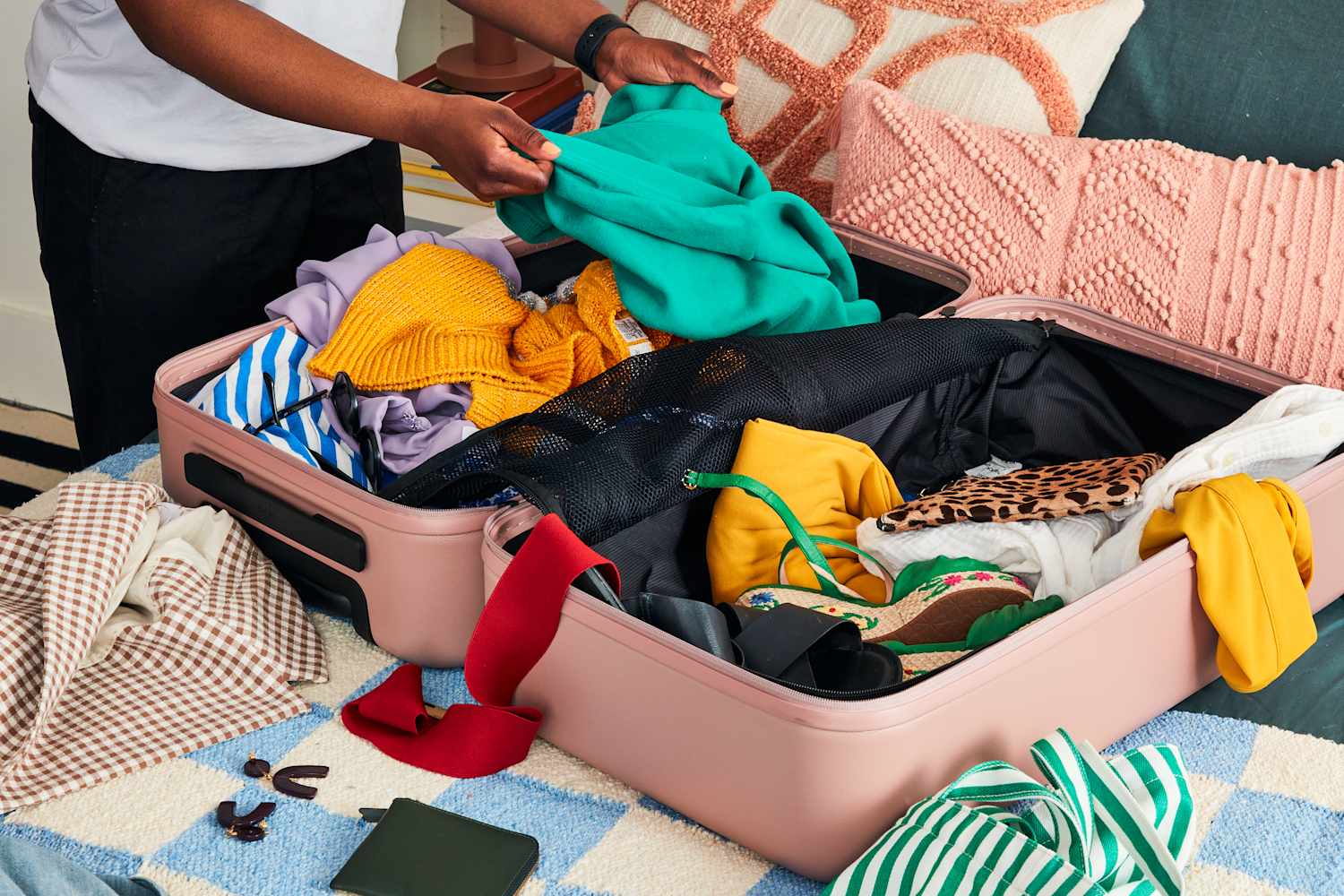


Choose Clothes That Work Together
Clothing is where most travelers go wrong. Instead of packing random outfits, build your packing list around a capsule wardrobe. Choose neutral colors and items that can be mixed and matched. For example, 3 tops and 2 bottoms can create multiple outfits. Always include comfortable clothes for travel days and one slightly formal option if needed. This approach reduces luggage weight while keeping your style intact.
Footwear: Keep It Simple and Functional
Shoes can quickly take up space and add weight. Limit your packing list to two or three pairs: one for walking, one casual pair, and optionally one for special occasions. Comfort should always be your priority. If your trip includes long walks or outdoor activities, make sure your main footwear is already broken in to avoid discomfort.
Toiletries: Compact but Complete


Personal Care Without Overpacking
Toiletries should be practical, not excessive. A smart packing list includes travel-sized versions of your daily essentials—like shampoo, toothpaste, deodorant, and skincare. Avoid carrying full-size bottles unless necessary. If you’re staying at hotels, you can rely on some provided items. Keep everything in a leak-proof pouch to avoid mess inside your luggage.
Electronics: Stay Connected Without Clutter
Your gadgets should serve a purpose. Include only what you actually need in your packing list—usually your phone, charger, power bank, and maybe a laptop. If traveling internationally, add a universal adapter. Keep all cables organized in one place to avoid wasting time searching for them. Remember, less tech means less stress.
Health and Safety: Always Be Prepared


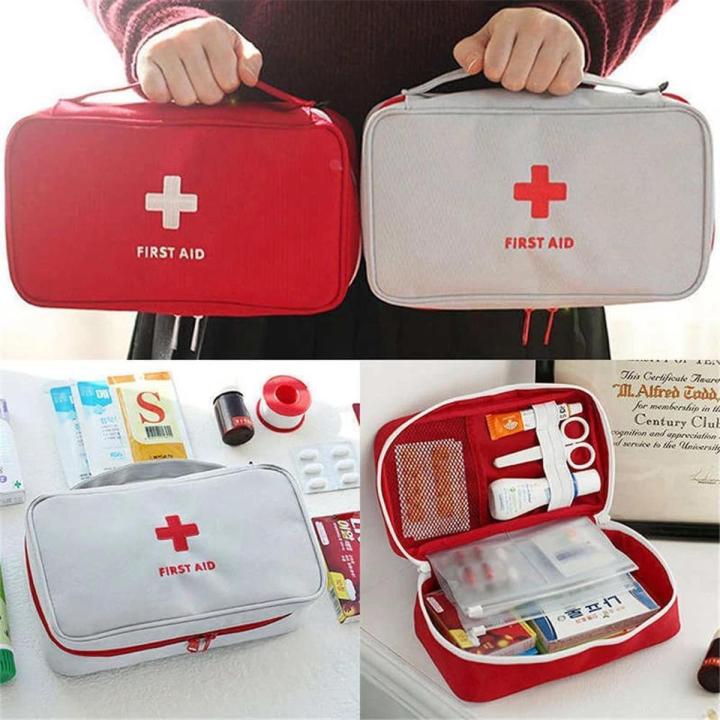


Small Kit, Big Peace of Mind
Health essentials are often overlooked but extremely important. Add a basic first aid kit to your packing list with items like painkillers, bandages, and personal medication. Carry hand sanitizer and wipes for hygiene, especially during long trips. Being prepared for minor issues can save you from major inconvenience.
Smart Accessories That Upgrade Your Travel Experience
Accessories may seem small, but they make a big difference. Items like packing cubes, a neck pillow, eye mask, and reusable water bottle can greatly improve comfort. A well-designed packing list also includes a lightweight backpack for daily use. These items help you stay organized and comfortable throughout your journey.
Packing Techniques That Save Space and Time


Pack Like a Pro Traveler
How you pack matters as much as what you pack. Roll your clothes instead of folding them to save space and reduce wrinkles. Use packing cubes to separate categories like clothes, toiletries, and accessories. Place heavier items at the bottom of your suitcase and keep essentials on top. A well-structured packing list combined with smart packing techniques keeps everything accessible and neat.
Common Mistakes Travelers Should Avoid
Many people overload their bags with “just in case” items. This is one of the biggest mistakes when creating a packing list. Avoid packing duplicate items or things you can easily buy at your destination. Ignoring airline baggage rules can also cost you extra money. Stick to essentials and trust your planning.
Customize Your Packing List for Every Trip
Not every trip is the same, so your packing list shouldn’t be either. A beach trip needs swimwear and sunscreen, while a winter trip requires layers and warm accessories. Business trips require formal wear, while adventure trips demand practical gear. Adjust your list based on your travel style and destination.
Conclusion: Travel Light, Travel Smart
A well-prepared packing list is more than just a checklist—it’s your travel strategy. It helps you stay organized, reduces stress, and allows you to focus on enjoying your journey. By packing smart and keeping things simple, you can travel with confidence and ease. Remember, the best travelers are not the ones who carry the most, but the ones who carry what truly matters.
More Details : What Does “Tralalero Tralala” Mean? Unpacking the Mystery
FAQs
1. How early should I prepare my packing list?
It’s best to prepare your list at least 2–3 days before your trip to avoid last-minute stress.
2. What is the biggest packing mistake?
Overpacking unnecessary items “just in case” is the most common mistake travelers make.
3. How can I pack light but still have enough options?
Choose versatile clothing that can be mixed and matched to create multiple outfits.
4. Should I carry toiletries or buy them at my destination?
Carry travel-sized essentials, but you can buy additional items if needed at your destination.
5. Is carry-on packing better than checked luggage?
For short trips, carry-on is often better as it saves time and reduces the risk of lost luggage.