
Entertainment
Sekiro Bosses: A Complete Informative Guide to Every Major Fight

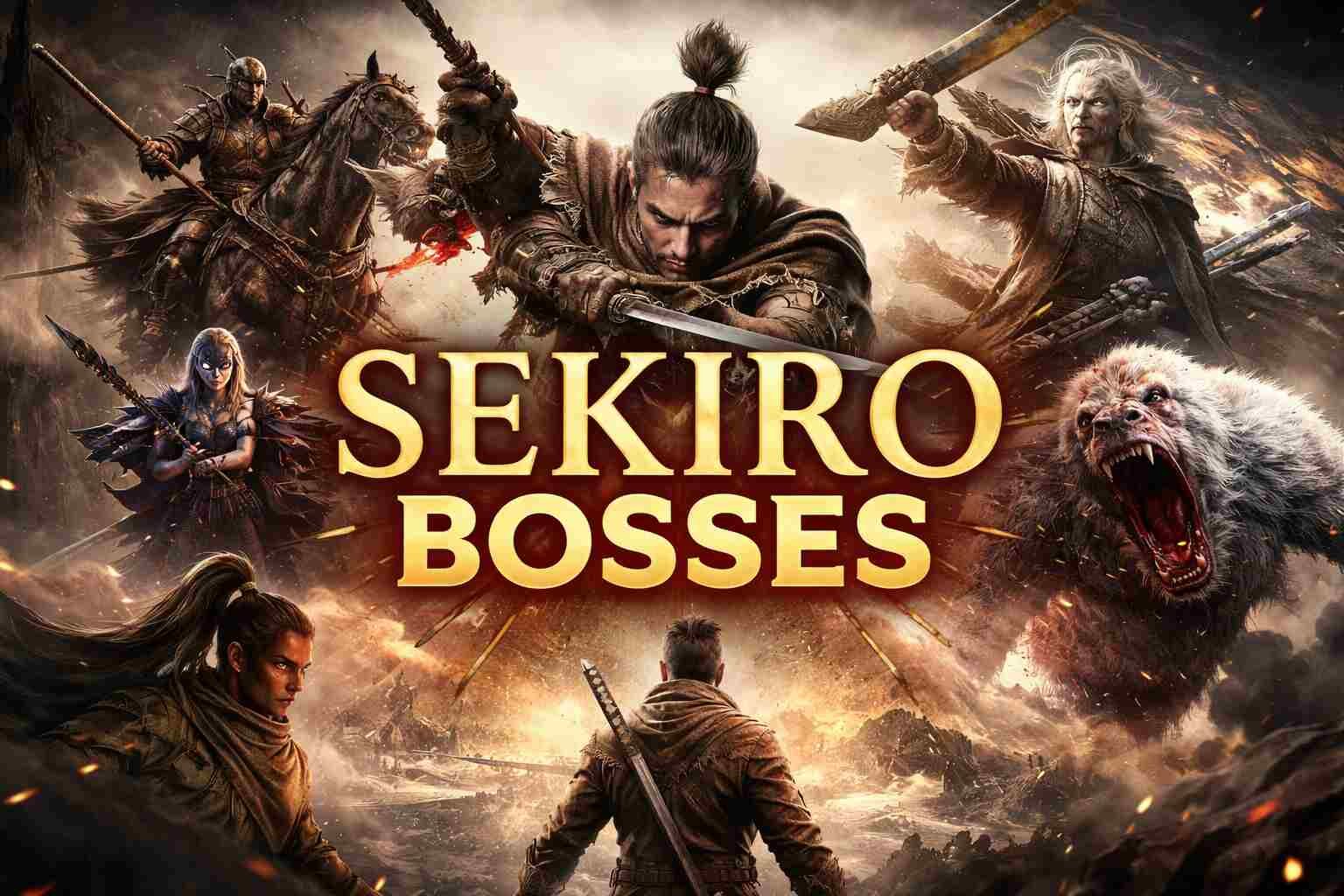
From Software’s Sekiro: Shadows Die Twice stands apart from other action games because of its intense, skill-based combat system and memorable boss encounters. Unlike traditional RPGs, where leveling up can compensate for difficulty, Sekiro demands precision, timing, and mastery. The bosses in this game are not just obstacles—they are carefully designed tests of your understanding of mechanics like posture, deflection, and positioning.
What makes these encounters truly remarkable is how each boss introduces a new lesson. Whether it’s punishing hesitation or encouraging aggression, the learning curve is embedded within every fight. This guide explores the design, difficulty, and strategies behind some of the most notable sekiro bosses, helping players understand what makes them so iconic.
Core Mechanics You Must Understand Before Boss Fights
Before diving into specific encounters, it’s essential to grasp the core mechanics that define success in Sekiro. The most important system is posture. Instead of depleting health alone, players must break an enemy’s posture through constant pressure and well-timed deflections.
Deflection, often mistaken for blocking, is the backbone of combat. Perfectly timed deflections not only prevent damage but also build up the enemy’s posture bar. Aggression is equally important—hesitation often leads to defeat. The game even reinforces this philosophy through its famous line: “Hesitation is defeat.”
Another key aspect is learning enemy patterns. Each boss has a rhythm, and once you recognize it, the fight becomes more manageable. Prosthetic tools and combat arts can help, but they are supplements—not replacements—for skill.
Gyoubu Masataka Oniwa: The First True Test
Gyoubu Oniwa is often the first major boss players encounter, and he serves as an introduction to mounted combat and mobility. Riding a horse across a large battlefield, Gyoubu challenges players to stay mobile and use the grappling hook effectively.
This fight teaches spacing and timing. His attacks are wide and powerful, but predictable once you observe his movements. By closing distance quickly and deflecting his strikes, you can build posture damage efficiently.
Although not the hardest among sekiro bosses, Gyoubu plays a crucial role in preparing players for the challenges ahead. He sets the tone for how the game expects you to adapt and learn.
Lady Butterfly: Mastering Illusions and Patience
Lady Butterfly is an early-game boss who can be surprisingly difficult for newcomers. Found in the Hirata Estate, she combines agility with deceptive tactics, including illusion-based attacks.
Her fight emphasizes patience and awareness. Players must balance aggression with caution, especially during her second phase when illusions appear. Using snap seeds can help dispel these illusions, but understanding her attack patterns is more important.
Lady Butterfly forces players to refine their deflection timing and teaches the importance of staying calm under pressure—skills essential for later encounters.
Genichiro Ashina: The Skill Check Boss
Genichiro Ashina is widely considered a turning point in Sekiro. By the time you face him atop Ashina Castle, the game expects you to have mastered its core mechanics.
This battle is a true test of skill. Genichiro uses a mix of sword attacks, bow shots, and lightning techniques in his later phase. Deflecting his attacks consistently is the key to victory.
What makes him one of the most memorable sekiro bosses is how fair yet demanding he feels. Every mistake is punished, but every success feels earned. Defeating Genichiro often marks the moment when players truly understand the game.
Guardian Ape: Breaking Expectations
The Guardian Ape fight is one of the most unique encounters in Sekiro. At first, it appears to be a standard beast battle, but it quickly subverts expectations.
In the first phase, the ape relies on brute force, unpredictable movements, and area attacks. The second phase introduces a shocking twist that changes the fight entirely, requiring a different approach.
This boss highlights adaptability. Players must switch from dodging and positioning to precise deflection and pattern recognition. The Guardian Ape stands out among sekiro bosses for its creativity and unpredictability.
Great Shinobi Owl: A Battle of Strategy
The Great Shinobi Owl is not just a boss—it’s a test of your understanding of advanced mechanics. As a seasoned shinobi, Owl uses tricks, poisons, and anti-healing tactics to disrupt your strategy.
This fight demands patience and careful observation. Owl punishes reckless aggression, forcing players to think strategically. His ability to block healing items adds an extra layer of challenge, making resource management critical.
Facing Owl feels like fighting an equal, someone who understands the same techniques as you but uses them more effectively.
Demon of Hatred: A Souls-Like Challenge
The Demon of Hatred is one of the most difficult optional bosses in Sekiro. Unlike most encounters, it feels more like a traditional Dark Souls boss, focusing heavily on dodging rather than deflection.
This boss deals massive damage and has multiple phases, each more intense than the last. Players must rely on movement, spacing, and patience to survive.
Although controversial among fans, the Demon of Hatred is a standout example of how sekiro bosses can break established patterns and challenge players in new ways.
Isshin, the Sword Saint: The Ultimate Test
Isshin, the Sword Saint, is the final boss and the ultimate challenge in Sekiro. This multi-phase battle combines everything you’ve learned throughout the game.
Isshin uses a variety of weapons and techniques, including swordplay, spear attacks, and firearms. Each phase introduces new mechanics, requiring constant adaptation.
Defeating Isshin is a true achievement. He represents the culmination of Sekiro’s design philosophy—rewarding skill, persistence, and mastery.
Why Sekiro Bosses Stand Out
What makes these encounters special is their emphasis on learning rather than grinding. Every boss teaches a lesson, and success comes from understanding those lessons.
Unlike many games, where difficulty can feel artificial, Sekiro’s challenges are deeply tied to its mechanics. This creates a sense of fairness and satisfaction that few games achieve.
The variety among bosses—from human duels to monstrous creatures—ensures that each fight feels fresh and memorable.
Tips to Defeat Sekiro Bosses Efficiently
Success in Sekiro requires more than quick reflexes. Consistency is key. Practicing deflection timing can significantly improve your performance.
Staying aggressive helps maintain pressure and prevents enemies from recovering posture. However, knowing when to retreat is equally important.
Experimenting with prosthetic tools can give you an advantage, but they should complement your playstyle rather than replace core skills.
Most importantly, patience is essential. Each defeat is an opportunity to learn and improve.
Common Mistakes Players Make
One of the biggest mistakes is relying too much on dodging instead of deflecting. While dodging has its place, Sekiro’s combat is built around deflection.
Another common issue is panic. Boss fights can be intense, but staying calm allows you to read patterns and react effectively.
Ignoring posture damage is also a frequent error. Focusing solely on health can prolong fights unnecessarily, making them harder.
Conclusion: Mastery Through Challenge
Sekiro is not just a game—it’s an experience that tests your patience, skill, and determination. The bosses are at the heart of this experience, each offering a unique challenge that pushes you to improve.
From early encounters like Gyoubu Oniwa to the final showdown with Isshin, every fight contributes to your growth as a player. Understanding the design and strategies behind these encounters can transform frustration into satisfaction.
In the end, mastering sekiro bosses is about more than winning—it’s about learning, adapting, and overcoming.
More Details : Rafe Cameron: The Villain That Makes ‘Outer Banks’ Unforgettable
FAQs
1. How many bosses are in Sekiro?
Sekiro features around 13 main bosses and several optional mini-bosses, each with unique mechanics and challenges.
2. Which Sekiro boss is the hardest?
Many players consider Isshin, the Sword Saint, the hardest due to his multiple phases and complex attack patterns.
3. Can you skip bosses in Sekiro?
Some optional bosses can be skipped, but main story bosses must be defeated to progress.
4. What is the best strategy for Sekiro bosses?
Mastering deflection, maintaining aggression, and learning attack patterns are the most effective strategies.
5. Are Sekiro bosses harder than Dark Souls bosses?
They are different. Sekiro bosses focus more on timing and precision, while Dark Souls emphasizes stamina management and build variety.

The Dark Psychology of Andrea Greene: A Deep Dive into Swarm’s Most Disturbing Character

What Is Scarlet iOS and How Does It Work on iPhone and iPad?

Seeing Beyond the Surface: Understanding Mirror-Testing and Self-Awareness

Unlocking Opportunities in Proprietary Trading: A Deep Dive into The Funded Trader

Sekiro Bosses: A Complete Informative Guide to Every Major Fight

Bark Phone Review: What Parents and Teens Are Really Saying

15 Powerful Database Optimization Techniques to Boost Performance

Apology Letter: Writing a Genuine and Effective Apology That Works

Why Venice AI Outperforms Other Big AI Platforms: An In-Depth Look

Office Deployment Tool: A Complete Guide to Installing Office 365

10 Best Coding Podcasts Every Developer Should Listen to in 2026

Understanding Black Box AI: Unlocking the Secrets of Unexplained Algorithms

What Is a Runtime Environment? A Complete Beginner-Friendly Guide

Encanto Characters Explained: The Madrigal Family, Their Gifts, and What They Mean

Pedantic: Meaning, Importance, and Why Being Pedantic Can Actually Be a Strength

Claude Cowork: A Complete Guide to Anthropic’s AI Desktop Agent

Understanding pi123: Meaning, Uses, and Why It Matters

Debate Unlocked: Are There More Doors or Wheels in the World?

A Practical Look at the Most Impactful Marketing Campaigns of 2025

Makima Chainsaw Man: The Power, Mystery, and Meaning Behind One of Anime’s Most Talked About Characters
The Dark Psychology of Andrea Greene: A Deep Dive into Swarm’s Most Disturbing Character
What Is Scarlet iOS and How Does It Work on iPhone and iPad?
Seeing Beyond the Surface: Understanding Mirror-Testing and Self-Awareness
Unlocking Opportunities in Proprietary Trading: A Deep Dive into The Funded Trader
Sekiro Bosses: A Complete Informative Guide to Every Major Fight
Bark Phone Review: What Parents and Teens Are Really Saying
15 Powerful Database Optimization Techniques to Boost Performance
Apology Letter: Writing a Genuine and Effective Apology That Works
Why Venice AI Outperforms Other Big AI Platforms: An In-Depth Look
Office Deployment Tool: A Complete Guide to Installing Office 365
-

 Tech2 months ago
xxx is equal to 2022: A Complete Informative Explanation of a Cubic Equation
-

 Entertainment2 months ago
The Artistic World of Gege Akutami: A Mastermind Behind Jujutsu Kaisen
-

 Entertainment2 months ago
Jujutsu Kaisen Modulo: A Deep Informative Exploration of Power Systems, Symbolism, and Modern Anime Culture
-

 Entertainment2 months ago
Muichiro Personality Explained: Traits, Mindset, and Emotional Depth