
Tech
What Is a Runtime Environment? A Complete Beginner-Friendly Guide

If you are learning programming, working in software development, or managing technical projects, you will eventually ask: what is a runtime environment and why does it matter so much?
Many people hear this term but never truly understand it. Some confuse it with an operating system. Others think it is just a software tool. In reality, a runtime environment is one of the most important foundations of modern computing.
Every time you open a website, launch a mobile app, or run business software, a runtime environment is working silently in the background. It ensures your program runs smoothly, safely, and efficiently.
In this detailed guide, you will learn exactly what a runtime environment is, how it works, why it is essential, and how it impacts real-world applications.
What Is a Runtime Environment?
To clearly answer the question what is a runtime environment, let’s define it in simple words.
A runtime environment is the system that provides all the necessary tools, libraries, and services required for a program to run after it has been written and compiled.
When developers write code, that code alone cannot execute properly. It needs support such as memory management, security controls, error handling, and access to system resources. The runtime environment provides this support.
In short, it acts as a bridge between the application and the operating system.
Without a runtime environment, many modern applications would simply fail to operate.
Why Programs Cannot Run Alone
A common misconception is that once code is written, it can immediately run on any computer. That is not how modern software works.
Programs depend on:
- System libraries
- Memory allocation
- Hardware access
- Security rules
- External dependencies
The runtime environment organizes and manages all these requirements. It ensures the program gets what it needs at the right time.
Think of it like a stage crew in a theater. The audience sees the actors (the application), but behind the scenes, the crew (the runtime environment) handles lighting, sound, and coordination.
Main Components of a Runtime Environment
Understanding the internal structure helps clarify the concept.
1. Execution Engine
The execution engine runs the program instructions. It may interpret code or convert it into machine-level instructions.
2. Memory Management
Modern runtime environments automatically allocate and free memory. This prevents memory leaks and system crashes.
3. Standard Libraries
These are built-in functions that handle common tasks like file handling, networking, and data processing.
4. Error Handling
Runtime systems detect errors that occur while the program is running and manage them safely.
5. Security Layer
Many runtime systems include sandboxing and security restrictions to protect the system from malicious code.
Each of these components works together to create a stable execution environment.
How a Runtime Environment Works Step by Step
To understand what is a runtime environment more deeply, let’s look at how it works during execution.
Step 1: Program Starts
When you launch an application, the runtime environment loads first.
Step 2: Dependencies Are Loaded
It checks and loads required libraries and external files.
Step 3: Memory Is Allocated
The runtime allocates memory space for variables and objects.
Step 4: Instructions Are Executed
The execution engine processes the code step by step.
Step 5: Cleanup After Completion
After the program finishes, memory and resources are released.
This structured process ensures performance and reliability.
Popular Examples of Runtime Environments
To make things practical, here are some real-world examples.
Java Runtime Environment (JRE)

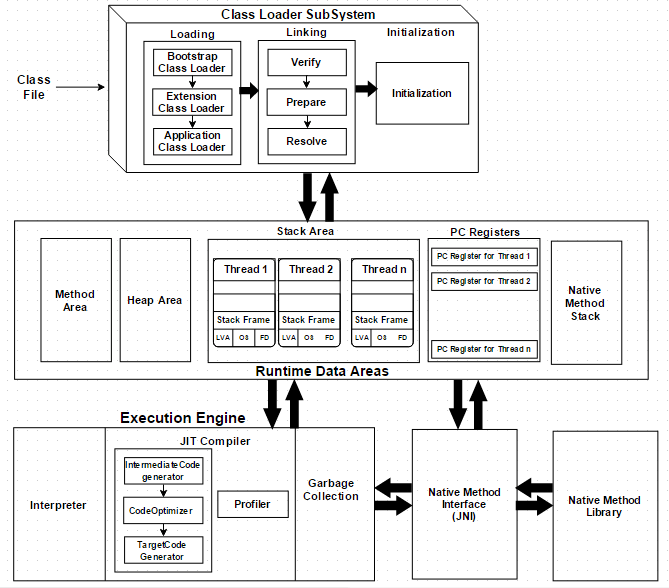

Java applications run inside the Java Runtime Environment. It includes the Java Virtual Machine (JVM) and essential libraries.
This allows Java programs to run on different operating systems without modification.
.NET Common Language Runtime (CLR)


Applications built using .NET languages rely on the Common Language Runtime. It manages memory, handles exceptions, and enforces security policies.
Web Browser Runtime
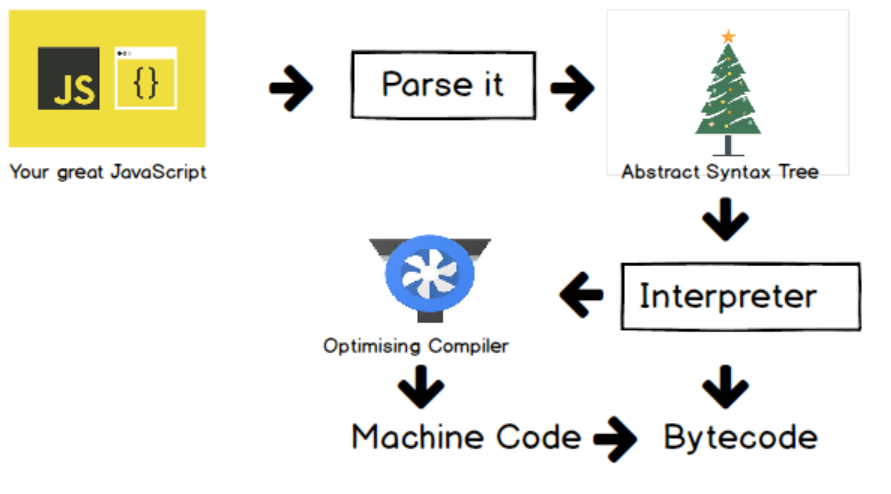

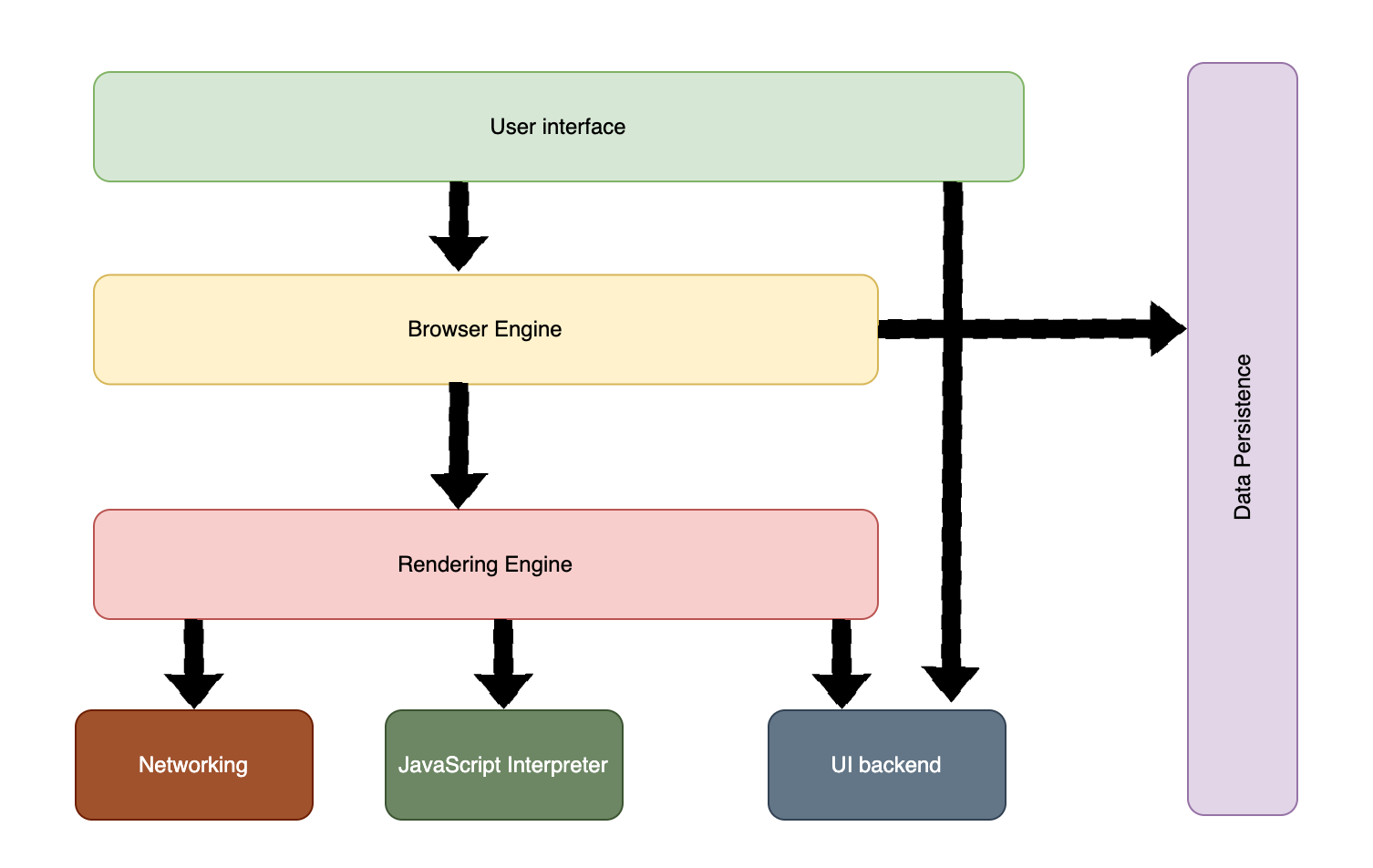
When you open a website, your browser acts as a runtime environment for JavaScript. It executes scripts, renders the page, and ensures security through sandboxing.
Without this runtime, interactive websites would not function properly.
Runtime Environment vs Operating System
Many people confuse these two terms.
The operating system manages hardware like CPU, memory, and storage. It controls the entire computer.
The runtime environment, on the other hand, sits above the operating system. It provides specific services required by applications.
You can think of the operating system as the building and the runtime environment as a specialized office inside that building.
Runtime Environment vs Development Environment
Another common confusion is between runtime and development environments.
A development environment includes:
- Code editors
- Debuggers
- Compilers
- Testing tools
It is where developers create applications.
The runtime environment is where the finished application runs.
Development happens before execution. Runtime supports execution.
Why Runtime Environments Are Important in Cloud Computing
Modern cloud systems rely heavily on runtime environments.
Cloud platforms provide managed runtime services that allow developers to deploy applications without worrying about hardware or system configuration.
Container technologies also package applications with their runtime environments. This ensures consistent behavior across different machines.
This approach reduces errors and simplifies deployment.
Benefits of Runtime Environments
Understanding what is a runtime environment also means understanding its benefits.
Portability
Applications can run across different platforms without major changes.
Stability
The runtime controls memory and errors, reducing crashes.
Security
Sandboxing prevents harmful operations.
Efficiency
Automated resource management improves performance.
These advantages make runtime systems essential in modern software architecture.
Common Problems Related to Runtime Environments
Although runtime environments are powerful, issues can occur.
Version Mismatch
Installing the wrong runtime version can cause compatibility errors.
Missing Dependencies
If required libraries are absent, applications may fail to start.
Performance Overhead
Some runtime systems add extra layers that may reduce speed slightly.
Keeping runtimes updated and properly configured helps avoid these issues.
The Future of Runtime Environments
Technology continues to evolve rapidly.
Emerging trends include:
- Lightweight runtimes for microservices
- Serverless execution platforms
- Edge computing runtimes
- Improved isolation for security
As applications become more distributed, runtime environments will become even more important in ensuring reliability and scalability.
Final Summary
Now you have a clear and complete understanding of what is a runtime environment.
It is not just a technical term. It is a foundational system that allows applications to run by providing execution engines, memory management, libraries, and security.
Every modern application depends on a runtime environment in some way. From desktop software to cloud-based systems, runtime technology plays a critical role.
If you are serious about learning programming or working in technology, understanding runtime environments is not optional. It is essential.
More Details : Film Review — A Thoughtful Look at Bridget Jones: Mad About the Boy
(FAQs)
1. What is a runtime environment in simple terms?
A runtime environment is a system that provides the tools and services needed for a program to run after it is developed.
2. Is a runtime environment required for all programs?
Most modern applications require a runtime environment, especially those built using languages like Java, Python, or C#.
3. Can I install multiple runtime environments on one computer?
Yes, you can install multiple runtimes for different languages or versions.
4. What happens if the runtime environment is missing?
The program may fail to start or display an error message asking for the required runtime.
5. How is a runtime environment different from a framework?
A runtime environment executes code, while a framework provides structure and tools for building applications.

12 Best Omegle Alternatives for Random Video Chat and Meeting New People

Dbxbqm Meaning: Why It Appears When You Try to Type YouTube

Immediate Loading Implants: How “Fixed Teeth in 48 Hours” Really Works

How UK Mobile Proxies Help Businesses Test Their Websites

Gen AI in Supply Chain: Using Supply Chain Benchmarks to Improve Performance

What Is the UK Theory Test? How It Works, Cost and Pass Mark

Weather the Storm: Why Totally Branded Umbrellas are the UK’s Most Appreciated Gift

How to Store, Wind, and Travel With Your Automatic Watch Collection Without Damaging It

What Do HubSpot Onboarding Services Include?

AI in Supply Chain: How AI Consulting Services Help Build More Intelligent and Resilient Operations
Immediate Loading Implants: How “Fixed Teeth in 48 Hours” Really Works
How UK Mobile Proxies Help Businesses Test Their Websites
12 Best Omegle Alternatives for Random Video Chat and Meeting New People
Dbxbqm Meaning: Why It Appears When You Try to Type YouTube
12 Best Omegle Alternatives for Random Video Chat and Meeting New People
Dbxbqm Meaning: Why It Appears When You Try to Type YouTube
Immediate Loading Implants: How “Fixed Teeth in 48 Hours” Really Works
How UK Mobile Proxies Help Businesses Test Their Websites
Gen AI in Supply Chain: Using Supply Chain Benchmarks to Improve Performance
What Is the UK Theory Test? How It Works, Cost and Pass Mark
Weather the Storm: Why Totally Branded Umbrellas are the UK’s Most Appreciated Gift
How to Store, Wind, and Travel With Your Automatic Watch Collection Without Damaging It
What Do HubSpot Onboarding Services Include?
AI in Supply Chain: How AI Consulting Services Help Build More Intelligent and Resilient Operations
-

 Tech9 months ago
xxx is equal to 2022: A Complete Informative Explanation of a Cubic Equation
-

 Celebrity9 months ago
Izzie Balmer Partner: A Deep Dive into the Relationship with Will Hawley
-

 Entertainment9 months ago
The Artistic World of Gege Akutami: A Mastermind Behind Jujutsu Kaisen
-

 Food6 months ago
Best Sushi Rice Brands: A Complete Guide to Choosing the Right Rice for Sushi