
Lifestyle
What is a Toxic Relationship and How to Recognize It Early

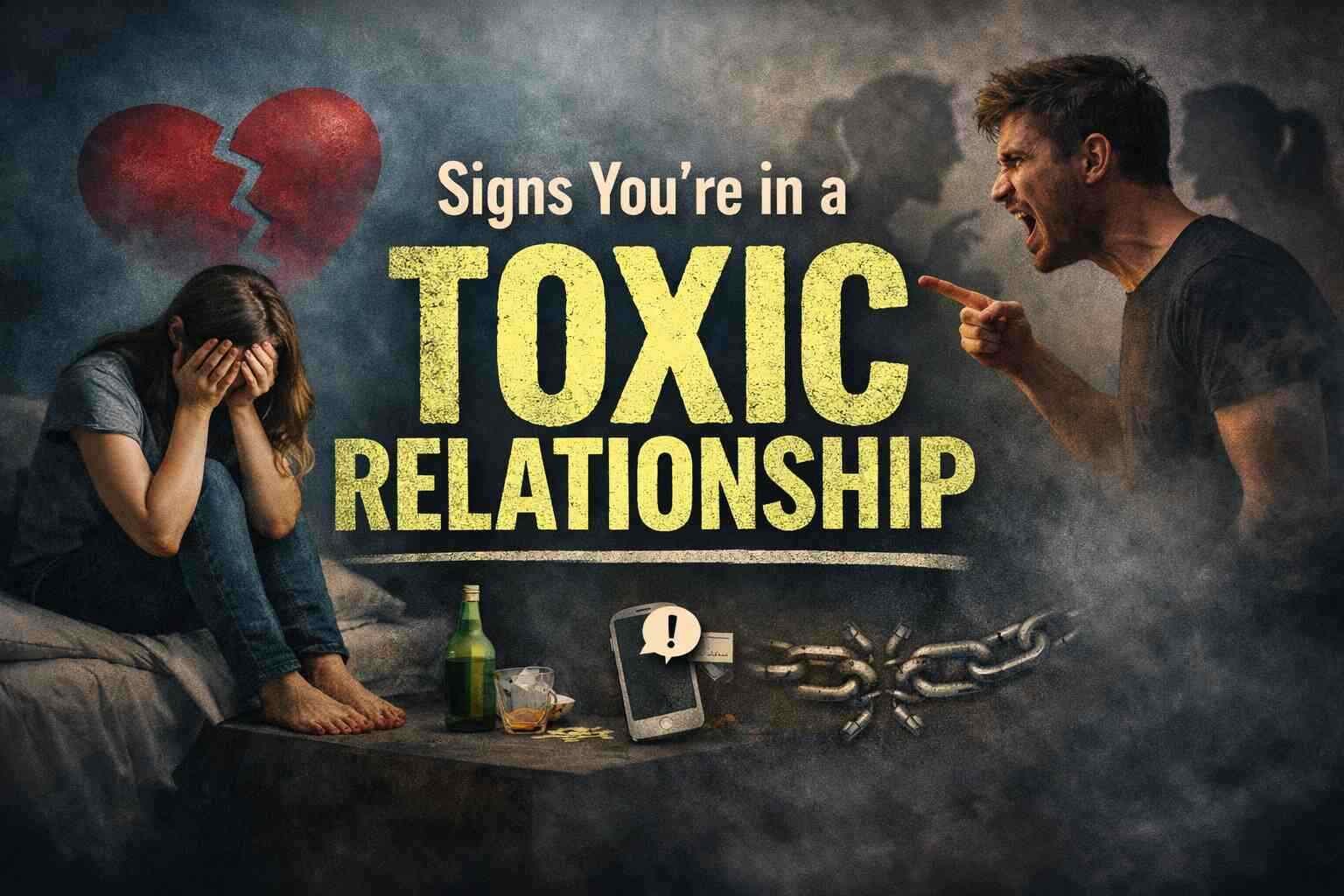
Understanding what is a toxic relationship is essential for mental and emotional well-being. A toxic relationship drains energy, creates stress, and prevents personal growth. Unlike occasional arguments, toxicity is consistent and harmful. Identifying these relationships early helps you protect yourself and make informed decisions. This article explains what is a toxic relationship, the common signs, emotional and physical effects, and practical steps to handle it. By the end, you will have a clear guide to spotting unhealthy patterns in any relationship.
Defining a Toxic Relationship
A toxic relationship is one where negative behaviors outweigh positivity and support. These behaviors may include manipulation, control, criticism, or lack of respect. In such relationships, one or both partners harm each other consistently. Emotional, mental, and sometimes physical health can be affected. Unlike normal conflicts, toxic relationships create patterns that leave you feeling exhausted, anxious, or unhappy. Understanding what is a toxic relationship allows you to recognize it before it causes long-term damage.
Common Warning Signs
Several warning signs indicate a toxic relationship. These include:
- Constant criticism or belittling
- Manipulation or control over decisions
- Isolation from friends and family
- Jealousy and possessiveness
- Lack of empathy or understanding
If you notice these behaviors repeatedly, it is likely a toxic relationship. Recognizing these signs early helps you make decisions that prioritize your well-being.
Emotional Effects
Being in a toxic relationship can harm emotional health. Common effects include:
- Low self-esteem and self-doubt
- Anxiety and stress
- Feeling trapped or helpless
- Depression or mood swings
The emotional toll accumulates over time, affecting confidence, focus, and happiness. Awareness of these impacts is the first step toward protecting your mental health.
Physical and Health Consequences
Toxic relationships can also affect physical health. Chronic stress can cause headaches, fatigue, insomnia, and weakened immunity. Elevated stress hormones may raise blood pressure and increase the risk of long-term illness. In extreme cases, physical abuse may occur. Understanding the link between toxicity and health emphasizes the importance of acting early to prevent further harm.
Why People Stay in Toxic Relationships
Many people stay in toxic relationships due to fear, hope, or emotional attachment. Some feel responsible for fixing the other person or fear being alone. Others may have financial dependence or shared responsibilities that make leaving difficult. Recognizing these factors helps you approach the situation with empathy for yourself and encourages taking steps to protect your mental and emotional health.
Practical Steps to Manage a Toxic Relationship
Managing a toxic relationship requires careful planning:
- Identify harmful behaviors clearly
- Communicate boundaries calmly and assertively
- Seek support from friends, family, or professionals
- Limit contact if necessary to protect your well-being
- Consider ending the relationship if patterns persist
Taking proactive steps reduces stress and empowers you to make choices that prioritize safety and happiness.
Building Healthier Connections
Healthy relationships involve mutual respect, trust, and communication. To prevent toxicity, focus on:
- Choosing partners who respect boundaries
- Expressing needs clearly
- Supporting each other’s growth
- Maintaining friendships and social connections
By practicing these habits, you can create positive relationships that enhance your mental and emotional health.
Knowing When to Leave
Leaving a toxic relationship is sometimes necessary. If negative patterns continue despite efforts, separation may be the healthiest option. Prioritizing personal safety, mental health, and emotional well-being is essential. Ending a relationship is not a failure; it is a step toward self-care and personal growth. Recognizing when to leave is a sign of strength and self-respect.
Conclusion
Understanding what is a toxic relationship helps you identify harmful patterns early. Repeated criticism, manipulation, isolation, and emotional exhaustion are key indicators. Protecting your mental and physical health, setting boundaries, and seeking support are critical steps. Prioritizing your well-being allows you to leave toxic dynamics behind and cultivate healthier, supportive relationships in the future.
More Details : Understanding SOS on iPhone: How to Use It and Stay Safe
FAQs
1. How can I tell if a relationship is toxic?
Look for repeated behaviors like criticism, manipulation, control, or isolation. Consistent negativity is a warning sign.
2. Can toxic relationships be fixed?
They can improve if both partners commit to change, communicate openly, and possibly seek counseling.
3. Do toxic relationships only happen in romantic partnerships?
No. Toxic patterns can occur in friendships, family, or workplace relationships as well.
4. How do I protect myself emotionally?
Set boundaries, communicate your needs, limit exposure to negativity, and seek support from trusted people.
5. When is it time to leave?
If harmful behaviors persist despite efforts to improve the relationship, leaving is the healthiest choice for your mental and physical health.

Understanding Weaponized Incompetence: Why It Happens and How to Deal With It

Wudu Steps: Complete Step-by-Step Guide for Proper Islamic Ablution

Modern Data Architecture Guide: Practical Database Design Patterns for Developers

Art of Zoo: How Modern Zoos Connect Humans and Wildlife

Irish Exit Meaning: What It Is and Whether It’s Rude

Mastering Dinner Productivity: How to Cook Efficiently Without Stress

What is a Toxic Relationship and How to Recognize It Early

We Are Made of Stars: Examining Human Ashes Under a Microscope

Understanding SOS on iPhone: How to Use It and Stay Safe

Understanding Tree in Data Structure: A Complete Guide

Understanding Black Box AI: Unlocking the Secrets of Unexplained Algorithms

Encanto Characters Explained: The Madrigal Family, Their Gifts, and What They Mean

Makima Chainsaw Man: The Power, Mystery, and Meaning Behind One of Anime’s Most Talked About Characters

The Red String Theory: Exploring Fate and Connection

Open Claw vs. Claude Code: A Comprehensive Comparison

10 Things You Should Know About Yuta Okkotsu Before Jujutsu Kaisen Season 3

Best AI Tools to Create Professional Faceless Videos Quickly

NVIDIA DGX Spark: A Practical Look at the Compact AI Powerhouse

Magenta: The Color That Doesn’t Exist and Its Fascinating Science

Best AI Image Generators 2026: The Ultimate Guide
Understanding Weaponized Incompetence: Why It Happens and How to Deal With It
Wudu Steps: Complete Step-by-Step Guide for Proper Islamic Ablution
Modern Data Architecture Guide: Practical Database Design Patterns for Developers
Art of Zoo: How Modern Zoos Connect Humans and Wildlife
Irish Exit Meaning: What It Is and Whether It’s Rude
Mastering Dinner Productivity: How to Cook Efficiently Without Stress
What is a Toxic Relationship and How to Recognize It Early
We Are Made of Stars: Examining Human Ashes Under a Microscope
Understanding SOS on iPhone: How to Use It and Stay Safe
Understanding Tree in Data Structure: A Complete Guide
-

 Entertainment2 months ago
Semana Santa 2026: Dates, Traditions, and Global Celebrations
-

 Tech2 months ago
xxx is equal to 2022: A Complete Informative Explanation of a Cubic Equation
-

 Entertainment2 months ago
The Artistic World of Gege Akutami: A Mastermind Behind Jujutsu Kaisen
-

 Celebrity2 months ago
Izzie Balmer Partner: A Deep Dive into the Relationship with Will Hawley