Business
Why Most Travel Businesses Lose Bookings Before Hello

Somebody found you. Maybe through a search, maybe through a recommendation, maybe through a photo that stopped them mid-scroll and made them feel something about a place they have never been. They clicked through to your website full of that feeling, that particular travel excitement that makes people open their wallets more readily than almost anything else in consumer psychology.
And then the website killed it.
Slow to load, hard to navigate, vague about what you actually offer, with no clear way to take the next step. The feeling evaporated and so did the booking. This happens to travel businesses dozens of times a day and the owners never see it because there is no notification when someone leaves. There is just a silence where revenue should have been. Enter Pro is one of the platforms boutique travel operators and tourism businesses are using to fix that gap between discovery and booking. For operators who want to customize itinerary pages or build destination-specific landing pages precisely, a free code editor within the platform means those details are handled without outside help.
The Feeling Economy and Why Travel Websites Must Lead With Emotion
Travel is one of the few purchases people make almost entirely on emotion and justify with logic afterward. Nobody needs to go to Rajasthan or Patagonia or the Amalfi Coast. They want to, deeply and specifically, and that want is rooted in feeling rather than function.
A travel website that leads with operational details, tour durations, group sizes, pickup logistics, before it has done any emotional work with the visitor is starting the conversation in completely the wrong place. By the time someone is reading the fine print they should already be half-convinced. Getting them to that point requires leading with the feeling of the destination, the atmosphere, the sensory experience, the kind of travel memory that stays with someone for decades.
The businesses that consistently convert browsers into bookers are the ones that understand this sequence. Feeling first, information second, logistics last.
What Destination Storytelling Actually Looks Like in Practice
Storytelling gets mentioned constantly in travel marketing and almost as constantly misunderstood. It does not mean writing flowery prose about sunsets and ancient stones. It means giving a potential traveler a specific, vivid, honest sense of what an experience with you actually feels like from the inside.
Not “explore the vibrant streets of Marrakech” but the specific sensory detail of what your guided morning walk through the medina actually involves. The smell of the spice souk before the tourist crowds arrive. The particular tea house where you stop that tourists walking alone would never find. The moment when the guide explains something about the city that reframes everything the visitor thought they understood about it.
That specificity is what separates a travel business that feels generic from one that feels like it knows something others do not. And that sense of insider knowledge is precisely what people are paying boutique operators for.
Choosing a Platform Built for Visual Storytelling

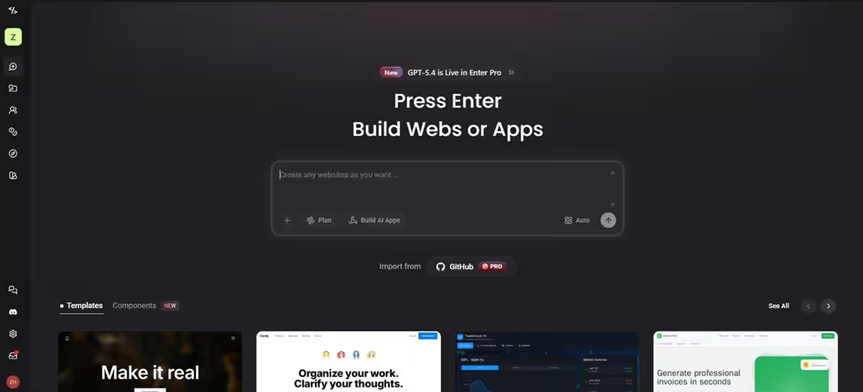
Travel is one of the most visually driven industries online and the platform you build on needs to handle that reality without compromise. Destination photography needs to load fast and render crisply across every device. Video needs to embed cleanly. Itinerary pages need enough layout flexibility to present a journey in a way that builds anticipation rather than just listing activities in a table.
Spending time with a solid comparison of the best website maker options before committing is particularly important for travel businesses because the gap between platforms that handle rich visual content gracefully and those that struggle with it is significant. Mobile presentation matters enormously here since a large proportion of travel browsing happens on phones, often during commutes or lunch breaks when someone is daydreaming about their next trip.
The Booking Abandonment Problem Nobody Talks About
Cart abandonment is discussed endlessly in e-commerce. The equivalent problem in travel, inquiry abandonment, gets far less attention despite being just as costly.
Someone fills in the first field of your booking or inquiry form and then stops. Maybe it asked for too much information too soon. Maybe the process felt uncertain, they could not tell what would happen after they submitted. Maybe they hit an unexpected question about deposit amounts or travel dates before they had built enough trust to commit that information.
A well-designed booking flow builds confidence at every step. It tells the visitor exactly what happens after they submit. It asks only what is necessary at each stage rather than front-loading the entire information gathering process. It gives clear signals about response times and next steps. These are not small details. They are the difference between an inquiry that converts and one that disappears.
Handling Seasonal Demand Without Rebuilding Your Site Twice a Year
Travel businesses deal with seasonal peaks and troughs more dramatically than almost any other industry. Peak booking periods, shoulder season promotions, last-minute availability, sold-out experiences that need to come down from the site, these changes need to happen quickly and accurately without every update becoming a project.
A platform that makes content updates fast and reliable is not a luxury for a travel business. It is an operational requirement. Displaying sold-out tours that are no longer available frustrates visitors and damages credibility. Missing the window to promote last-minute availability because updating the site is too complicated is direct revenue loss.
Enter Pro handles this kind of frequent content management in a way that keeps the site accurate and current without requiring technical expertise every time something changes. For small teams running busy operations during peak season, that simplicity has real practical value.
Building Trust for High-Value Bookings
Travel purchases are often among the largest discretionary spends a person makes in a year. A two week guided tour, a private villa rental, a multi-country itinerary with internal flights, these are decisions that involve real financial risk and require a level of trust that a first-time website visitor has not yet developed.
Trust signals matter enormously on travel websites precisely because of this stakes level. Genuine reviews from past travelers with specific details about their experience. Clear and fair cancellation and refund policies displayed prominently rather than buried in terms and conditions. Recognizable association memberships or accreditations where they exist. A real physical address and phone number rather than just a contact form. A founder story or team page that shows the real people behind the operation.
Each of these signals individually is small. Together they create a cumulative impression of a legitimate, accountable business that takes its clients seriously and can be trusted with a significant financial commitment.
Conclusion
The travel industry sells something genuinely extraordinary. The chance to experience places, cultures, and moments that expand how a person sees the world. A website worthy of that promise does not just list what is on offer. It makes someone feel the possibility of the experience before they have booked it, builds the trust required to hand over real money to someone they have never met, and makes the path from interest to confirmed booking as clear and frictionless as possible. Getting that right is not separate from the quality of the travel experience you provide. For every potential client who finds you online, it comes first.
More Details : Understanding Reflection AI: How Self-Evaluating Artificial Intelligence Is Changing Technology