
Fashion
Why Product Pages Sell More Than Products: CRO Lessons for Jewellery Ecommerce

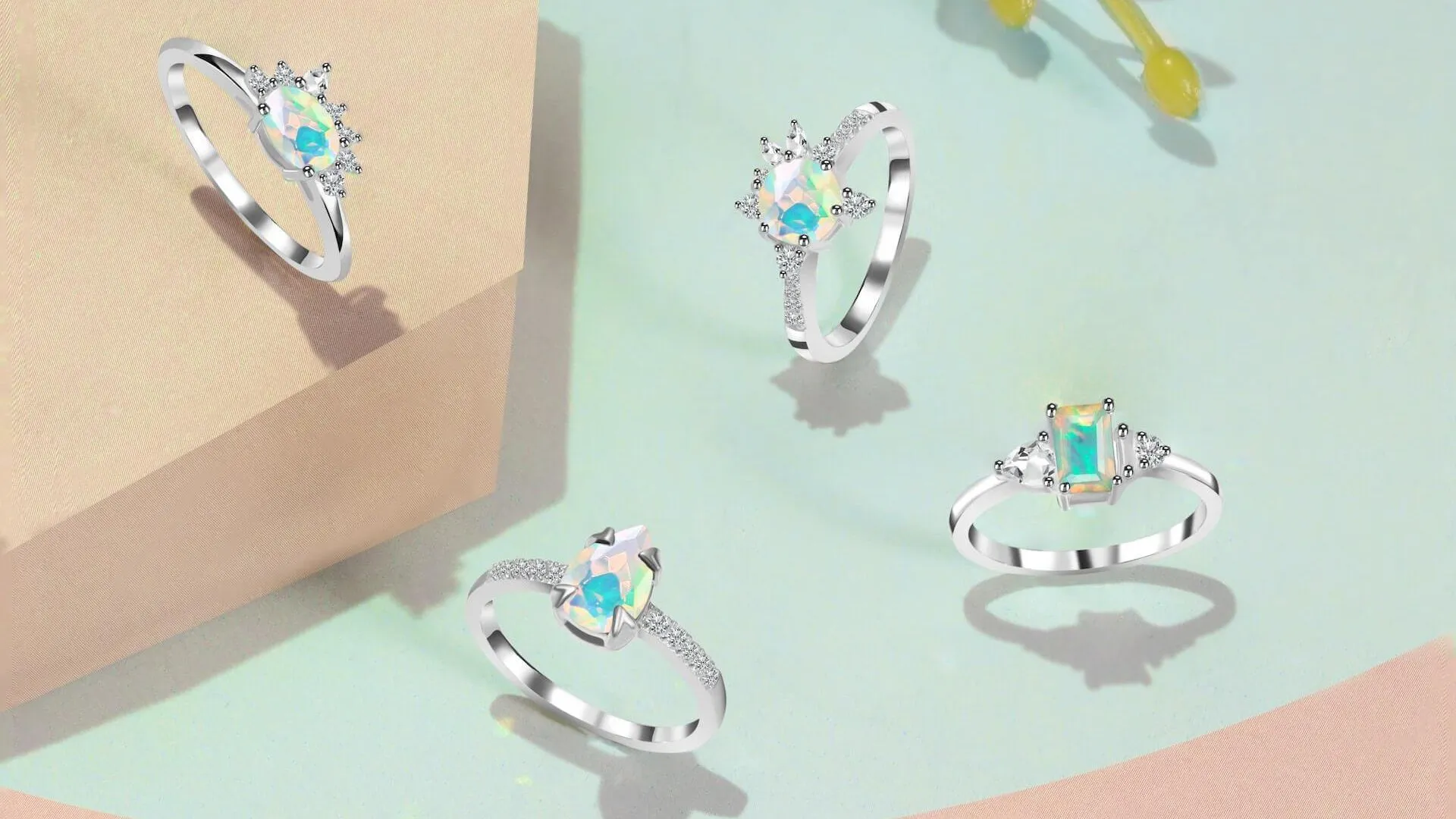
Jewellery ecommerce is often seen as a product business. Beautiful rings, polished gemstones, and elegant photography appear to be the stars of the show. But experienced online sellers know something deeper. Customers do not buy products alone. They buy trust, confidence, clarity, and emotional reassurance. That is why product pages often sell more than the actual products themselves.
In conversion rate optimization, or CRO, every detail matters. A customer visiting a jewellery product page may be making an emotional decision tied to love, commitment, celebration, or self-expression. Unlike impulse purchases, jewellery often involves hesitation. Buyers compare options, worry about sizing, question material quality, and wonder whether the item will match expectations. A poorly designed product page creates friction. A well-built one removes uncertainty.
Research across ecommerce consistently shows that better product page experiences can increase conversion rates significantly, often by 20 to 40 percent through stronger trust signals, clearer information, and reduced checkout friction. Jewellery is especially sensitive because emotional and financial stakes are high. A customer buying a wedding ring or meaningful gift wants certainty.
The strongest jewellery brands understand that product pages are not digital shelves. They are digital salespeople. They answer objections, tell stories, and guide decision-making. The difference between browsing and buying often comes down to page experience rather than product appeal alone.
The Psychology Behind High-Converting Product Pages
Jewellery purchases are emotional first and logical second. A shopper may begin by admiring a design, but the purchase decision often depends on reassurance. Questions quickly appear. Will it fit? Is the metal authentic? What if it looks different in person? Can it be returned?
This is where CRO becomes powerful. Great product pages reduce uncertainty before it becomes a barrier. Clear sizing guides, detailed specifications, zoomable images, delivery timelines, and transparent policies all strengthen buyer confidence.
Ben Hathaway, Founder of Wedding Rings UK, understands this deeply. “In jewellery, customers are not just buying metal or stones. They are buying a milestone. I have learned that confidence drives conversions more than aesthetics alone. When we clearly explain craftsmanship, materials, and customization options, customers feel secure enough to act. Trust transforms hesitation into commitment.”
That insight reflects a broader principle. Conversion optimization is less about persuasion and more about reducing friction. If a customer has unanswered questions, they delay purchasing. If the page answers those questions clearly, the path becomes smoother.
Emotional storytelling also matters. Jewellery often represents life events. Product pages that explain meaning, craftsmanship, or design inspiration create stronger emotional connection. Features inform. Stories convert.
Clarity Beats Cleverness Every Time
Some ecommerce brands try to impress visitors with flashy design or overly creative messaging. In jewellery, clarity usually wins.
Customers want straightforward answers. What is the material? How long will shipping take? Is resizing available? Can the item be customized? Product pages that hide details behind vague branding language create confusion.
Bill Brink, Marketing Director at Novum Skies LLC, emphasizes this principle. “I have spent years optimizing product experiences across ecommerce. One lesson remains constant. High-intent customers reward clarity. When pages communicate benefits, remove ambiguity, and make action simple, conversion improves naturally. Clever design means little if the customer still has unanswered questions.”
His perspective aligns with proven CRO strategy. Simplicity improves performance because it reduces mental effort. Customers already face decision fatigue online. A clean, informative product page respects their time.
This also applies to mobile optimization. A growing percentage of jewellery shoppers browse on phones. If key details are difficult to find or images load slowly, trust drops quickly. Fast performance and easy navigation are conversion essentials.
Product Photography Is Trust, Not Decoration
Jewellery is tactile by nature. Customers cannot touch or try products online, so visuals must bridge that gap.
Strong product photography is not about decoration. It is about confidence. Multiple angles, close-ups, scale references, and lifestyle imagery help shoppers understand what they are buying.
A ring photographed only against a white background may show design, but it may not communicate size or real-world appearance. Adding hand shots or lifestyle context helps buyers imagine ownership.
Sergen Yilmaz, Founder of Gents, highlights the role of presentation. “Presentation shapes perception. I have learned that customers connect with products when visuals reflect quality and confidence. Great imagery does more than showcase a product. It communicates identity, aspiration, and trust. Strong design helps customers see themselves in the purchase.”
This insight matters because jewellery is often tied to self-image. Customers do not simply buy objects. They buy how those objects make them feel.
Video can further improve performance. Short clips showing sparkle, texture, or movement create realism that static images cannot fully match.
Social Proof and Risk Reduction Drive Decisions
One of the strongest CRO tools in jewellery ecommerce is social proof. Reviews, testimonials, customer photos, and trust badges help reduce anxiety.
If someone is spending hundreds or thousands of dollars online, they want evidence that others had positive experiences. A well-written review describing sizing accuracy or craftsmanship quality can remove doubt instantly.
Risk reduction is equally important. Return policies, warranties, secure payment messaging, and clear support access make the purchase feel safer.
Ben Hathaway reinforces this lesson. “Customers often arrive excited but cautious. I have seen how transparent guarantees and honest reviews change behavior. When buyers know they are protected, decision-making becomes easier. Confidence is often the final ingredient before checkout.”
This principle is especially relevant for first-time buyers. Repeat customers already trust the brand. New visitors need reassurance quickly.
Trust signals should feel integrated, not overwhelming. Too many badges or aggressive pop-ups can create the opposite effect.
The Hidden Power of Product Copy
Product descriptions are often underestimated. Many brands write minimal technical summaries and move on. That leaves conversion potential untapped.
Effective product copy combines information with emotion. It explains material quality, craftsmanship, sizing, and use cases while maintaining human tone.
Bill Brink explains why this matters. “Search brings traffic, but messaging converts traffic. I have seen excellent products underperform because the copy failed to answer real customer questions. Great product copy balances clarity, relevance, and emotional connection. It helps customers move from interest to action.”
For jewellery, language should feel reassuring rather than overly technical. Customers want expertise presented simply.
Descriptions should answer practical concerns while supporting emotional meaning. For example, a wedding band description should explain durability and comfort while acknowledging the symbolic importance of lifelong wear.
Personalization Increases Conversion
Jewellery is highly personal. Customization options often increase both conversion rates and average order value.
Engraving, metal choices, stone variations, and bespoke design requests help customers feel ownership. Personalization turns products into experiences.
Sergen Yilmaz shares a branding perspective. “Modern consumers value individuality. I have found that products perform better when customers can shape the final experience. Personalization creates emotional investment. That connection increases both satisfaction and conversion.”
However, personalization must remain easy. Too many confusing options create decision fatigue. Guided customization with visual previews improves results.
Clear communication about production timelines also matters. Custom buyers are often willing to wait if expectations are managed honestly.
CRO Is Continuous, Not One-Time
Many ecommerce brands redesign product pages once and assume the work is complete. Strong CRO is ongoing.
Testing different headlines, image placements, call-to-action buttons, and trust messaging reveals what actually works. Customer behavior changes over time. Optimization should evolve with it.
Bill Brink emphasizes experimentation. “The highest-performing ecommerce teams treat CRO as a continuous discipline. We test assumptions constantly because customer behavior is dynamic. Small changes often create measurable gains. Sustainable growth comes from disciplined iteration.”
Even modest improvements compound significantly. Raising conversion rates by a few percentage points can dramatically improve revenue without increasing traffic costs.
This is particularly valuable in jewellery, where customer acquisition costs can be high.
Conclusion: The Product Page Is the Real Sales Team
Jewellery ecommerce success depends on more than beautiful products. Great product pages sell confidence, clarity, and emotional certainty.
Ben Hathaway shows how trust and craftsmanship communication drive commitment. Bill Brink demonstrates the importance of clarity and disciplined optimization. Sergen Yilmaz highlights the emotional role of presentation and identity.
Together, their insights reveal a clear lesson. Customers do not simply buy jewellery. They buy confidence in the decision.
That confidence comes from exceptional product page experience. Clear information, strong visuals, emotional storytelling, trust signals, and thoughtful personalization all work together to reduce friction.
The most successful jewellery brands understand this truth. Product pages are not passive catalog entries. They are active sales tools.
In ecommerce, the page often sells more effectively than the product itself. When brands optimize that experience with discipline and empathy, conversion becomes a natural outcome rather than a guessing game.

12 Best Omegle Alternatives for Random Video Chat and Meeting New People

Dbxbqm Meaning: Why It Appears When You Try to Type YouTube

Immediate Loading Implants: How “Fixed Teeth in 48 Hours” Really Works

How UK Mobile Proxies Help Businesses Test Their Websites

Gen AI in Supply Chain: Using Supply Chain Benchmarks to Improve Performance

What Is the UK Theory Test? How It Works, Cost and Pass Mark

Weather the Storm: Why Totally Branded Umbrellas are the UK’s Most Appreciated Gift

How to Store, Wind, and Travel With Your Automatic Watch Collection Without Damaging It

What Do HubSpot Onboarding Services Include?

AI in Supply Chain: How AI Consulting Services Help Build More Intelligent and Resilient Operations
Immediate Loading Implants: How “Fixed Teeth in 48 Hours” Really Works
How UK Mobile Proxies Help Businesses Test Their Websites
Gen AI in Supply Chain: Using Supply Chain Benchmarks to Improve Performance
12 Best Omegle Alternatives for Random Video Chat and Meeting New People
Dbxbqm Meaning: Why It Appears When You Try to Type YouTube
12 Best Omegle Alternatives for Random Video Chat and Meeting New People
Dbxbqm Meaning: Why It Appears When You Try to Type YouTube
Immediate Loading Implants: How “Fixed Teeth in 48 Hours” Really Works
How UK Mobile Proxies Help Businesses Test Their Websites
Gen AI in Supply Chain: Using Supply Chain Benchmarks to Improve Performance
What Is the UK Theory Test? How It Works, Cost and Pass Mark
Weather the Storm: Why Totally Branded Umbrellas are the UK’s Most Appreciated Gift
How to Store, Wind, and Travel With Your Automatic Watch Collection Without Damaging It
What Do HubSpot Onboarding Services Include?
AI in Supply Chain: How AI Consulting Services Help Build More Intelligent and Resilient Operations
-

 Tech9 months ago
xxx is equal to 2022: A Complete Informative Explanation of a Cubic Equation
-

 Celebrity8 months ago
Izzie Balmer Partner: A Deep Dive into the Relationship with Will Hawley
-

 Entertainment9 months ago
The Artistic World of Gege Akutami: A Mastermind Behind Jujutsu Kaisen
-
 Food5 months ago
Best Sushi Rice Brands: A Complete Guide to Choosing the Right Rice for Sushi