
Fitness
Best Creatine for Women: A Complete Guide to Benefits, Types, and Choosing the Right Supplement

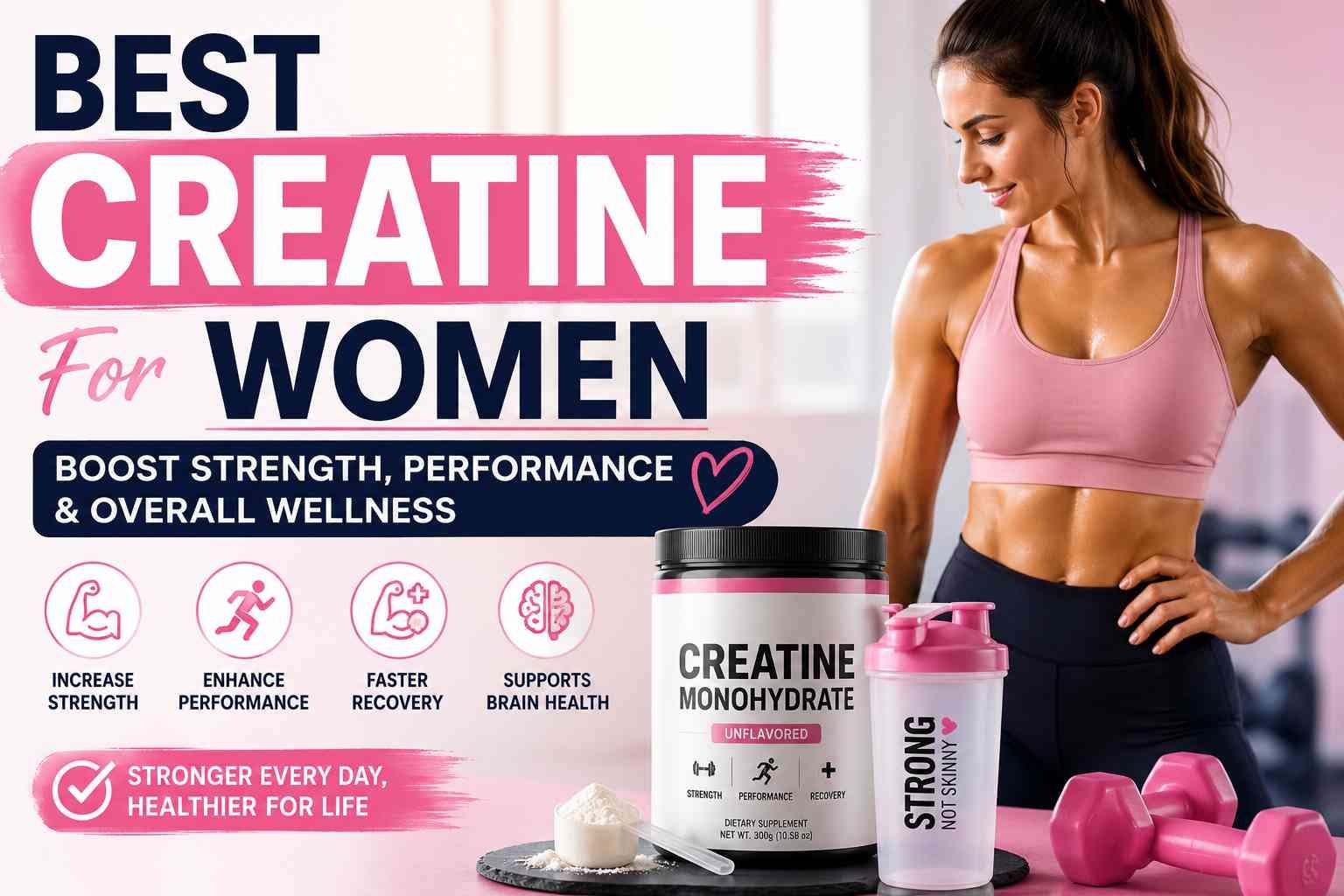
Creatine is one of the most researched and widely used supplements in the fitness industry. While it is often associated with male athletes and bodybuilders, women can benefit from creatine supplementation just as much. Whether the goal is improving workout performance, building lean muscle, enhancing recovery, or supporting overall health, creatine has become a valuable supplement for women of all fitness levels.
This guide explains how creatine works, its benefits for women, the different types available, and how to choose the best creatine for women based on individual needs and lifestyle.
What Is Creatine?
Creatine is a naturally occurring compound found in muscle cells. It is made from amino acids and stored primarily in the muscles, where it helps produce energy during short bursts of intense activity.
The body produces creatine naturally in the liver, kidneys, and pancreas. It is also found in foods such as red meat, fish, and poultry. However, many people do not get optimal amounts through diet alone, which is why creatine supplements are commonly used.
Creatine helps replenish adenosine triphosphate (ATP), the body’s primary energy source. By increasing ATP availability, muscles can perform better during strength training, sprinting, and other high-intensity activities.
Why Women Are Using Creatine More Than Ever
For many years, creatine marketing focused mainly on men. Today, growing research highlights its effectiveness for women as well.
Women who participate in resistance training, sports, or regular exercise may experience improvements in strength, power, and recovery. Additionally, some studies suggest that creatine may support cognitive function and healthy aging.
Unlike many trendy supplements, creatine has decades of scientific research supporting its safety and effectiveness when used as directed.
Benefits of Creatine for Women
Improved Strength and Exercise Performance
One of the primary reasons women take creatine is to improve workout performance. Creatine increases the availability of energy in muscle cells, allowing for greater training intensity.
Women who supplement with creatine often report:
- Increased strength during workouts
- Better performance during high-intensity exercise
- Improved endurance during repeated training sessions
- Enhanced power output
These benefits can help individuals train more effectively and achieve fitness goals faster.
Support for Lean Muscle Development
Creatine can support the development of lean muscle mass when combined with a consistent strength-training program.
It does not directly build muscle on its own. Instead, it helps improve training performance, allowing muscles to receive a stronger growth stimulus over time.
Many women avoid creatine because they fear becoming overly muscular. In reality, creatine supports lean, athletic muscle development rather than creating excessive muscle size.
Faster Recovery Between Workouts
Recovery plays an important role in long-term fitness progress. Intense exercise can place significant stress on muscles, making proper recovery essential.
Creatine may help reduce muscle cell damage and improve recovery after strenuous training sessions. This can lead to better consistency in workouts and reduced feelings of fatigue.
Potential Cognitive Benefits
Research suggests that creatine may support brain health and cognitive performance.
The brain requires substantial amounts of energy to function efficiently. Because creatine helps produce cellular energy, some studies indicate it may contribute to improved memory, focus, and mental performance, particularly during periods of stress or sleep deprivation.
Although more research is ongoing, these findings are encouraging for women seeking both physical and mental performance benefits.
Support During Healthy Aging
As women age, maintaining muscle mass and strength becomes increasingly important.
Creatine supplementation combined with resistance training may help support healthy muscle function and physical performance in older adults. This can contribute to improved mobility, independence, and overall quality of life.
For this reason, creatine is not only beneficial for athletes but also for women interested in long-term health and wellness.
Understanding the Different Types of Creatine
Creatine Monohydrate
Creatine monohydrate is the most studied and widely recommended form of creatine.
Benefits include:
- Extensive scientific support
- High effectiveness
- Excellent safety profile
- Affordable price
For most women, creatine monohydrate is considered the best creatine for women because it consistently delivers proven results.
Micronized Creatine
Micronized creatine is simply creatine monohydrate processed into smaller particles.
The smaller particle size may improve mixing and reduce the gritty texture sometimes associated with standard creatine powders.
Its benefits and effectiveness are generally similar to traditional creatine monohydrate.
Creatine Hydrochloride (HCl)
Creatine HCl is designed to be highly soluble in water.
Some users prefer it because it may require smaller serving sizes and mixes easily. However, it has significantly less research supporting its effectiveness compared to creatine monohydrate.
Buffered Creatine
Buffered creatine contains ingredients intended to improve stability and absorption.
Although marketing claims often suggest superior performance, current research has not consistently shown major advantages over traditional creatine monohydrate.
How to Choose the Best Creatine for Women
Look for Pure Ingredients
A high-quality creatine supplement should contain minimal ingredients.
Many experts recommend products that contain:
- 100% creatine monohydrate
- No unnecessary fillers
- No excessive sweeteners
- Third-party quality testing
Simple formulations often provide the best value and reliability.
Prioritize Product Quality
Choosing reputable brands is important for safety and effectiveness.
Look for manufacturers that:
- Follow good manufacturing practices
- Provide transparency about ingredients
- Use third-party testing
- Have positive customer reviews
Quality assurance helps ensure that the supplement contains exactly what the label claims.
Consider Your Lifestyle
Different supplement formats may suit different preferences.
Available options include:
- Powder
- Capsules
- Gummies
- Drink mixes
Powder is generally the most cost-effective option, while capsules may offer greater convenience for women with busy schedules.
How Much Creatine Should Women Take?
Most research supports a daily intake of approximately 3 to 5 grams of creatine monohydrate.
Some people choose a loading phase, which involves taking higher amounts for a short period. However, this is not necessary for most users.
A consistent daily dose of 3 to 5 grams can gradually increase muscle creatine stores and provide long-term benefits.
Consistency matters more than timing for most individuals.
When Is the Best Time to Take Creatine?
Creatine can be taken at any time of day.
Many women choose to take it:
- Before workouts
- After workouts
- With a meal
- At a consistent daily time
The most important factor is regular use rather than a specific timing strategy.
Taking creatine daily helps maintain elevated muscle creatine levels and maximize results over time.
Common Myths About Creatine for Women
Myth 1: Creatine Causes Excessive Weight Gain
Some women worry about gaining unwanted weight from creatine.
While creatine may increase water content inside muscle cells, this is different from gaining body fat. The increase often contributes to improved muscle function and performance.
Myth 2: Creatine Is Only for Bodybuilders
Creatine benefits a wide range of individuals.
Women who participate in recreational exercise, sports, strength training, or fitness programs may all benefit from supplementation.
Even women focused on general health and wellness can potentially experience positive effects.
Myth 3: Creatine Is Unsafe
Creatine is one of the most extensively researched supplements available.
For healthy individuals, studies consistently support its safety when used according to recommended guidelines.
Those with pre-existing medical conditions should consult a healthcare professional before beginning any supplement program.
Foods That Naturally Contain Creatine
Although supplementation is convenient, creatine is also found in certain foods.
Natural dietary sources include:
- Beef
- Salmon
- Tuna
- Pork
- Chicken
Vegetarians and vegans may have lower natural creatine stores because they consume fewer dietary sources. As a result, supplementation may be particularly beneficial for these individuals.
Who Should Consider Taking Creatine?
Creatine may be beneficial for:
- Women who perform strength training
- Athletes involved in high-intensity sports
- Active individuals seeking improved recovery
- Women focused on muscle maintenance
- Older adults interested in healthy aging
- Vegetarians and vegans with lower dietary creatine intake
The best creatine for women is often one that aligns with personal fitness goals, dietary preferences, and quality standards.
Final Thoughts
Finding the best creatine for women does not have to be complicated. Scientific evidence consistently points to creatine monohydrate as the most effective, affordable, and well-researched option available.
Women can benefit from creatine in numerous ways, including improved strength, enhanced workout performance, better recovery, support for lean muscle development, and potential cognitive benefits. When combined with a balanced diet and a consistent exercise routine, creatine can become a valuable part of a long-term health and fitness strategy.
Rather than focusing on marketing claims, prioritize quality, purity, and proven research. A reliable creatine supplement can help support both fitness goals and overall wellness for years to come.
More Details : Who Cheats More Men or Women? An In-Depth Look at Infidelity
FAQs
1. What is the best type of creatine for women?
Creatine monohydrate is generally considered the best option because it is the most researched, effective, and affordable form available.
2. Can women take creatine every day?
Yes, most women can safely take 3 to 5 grams of creatine daily as part of a consistent supplementation routine.
3. Does creatine make women gain fat?
No. Creatine does not cause fat gain. It may increase water content within muscle cells, which is different from body fat.
4. How long does it take for creatine to work?
Results vary, but many women notice improvements in workout performance and recovery within a few weeks of consistent use.
5. Is creatine suitable for beginners?
Yes. Beginners who participate in exercise or strength training can use creatine to support performance, recovery, and muscle development.

Best At Home Teeth Whitening Kits: A Complete Guide to Brighter Teeth

Best Creatine for Women: A Complete Guide to Benefits, Types, and Choosing the Right Supplement

Best Electric Toothbrush in 2026: Top Picks for Healthier Teeth and Gums

Best Time to Post on Instagram: A Practical Guide to Reaching More People

Best Pillow for Side Sleepers: A Complete Guide to Better Sleep and Proper Support

What Is DEI? A Complete Guide to Diversity, Equity, and Inclusion

Startup Booted Fundraising Strategy: A Practical Guide to Building and Funding a Business Without Heavy Outside Capital

Revamping Your Commercial Space: The Power of Fresh Asphalt

Unlocking the Full Potential of Your Property After a Tree Falls

Finding The Right AC Company for Ultimate Home Comfort

Dungeon Crawler Carl TV Show: Everything We Know About the Upcoming Adaptation

Fiona Cauley: The Inspiring Comedian Changing Modern Stand-Up

Durable, Recyclable, and Stunning: The Market Advantages of BOPP Glossy Film Packaging

Code 404 TV Series Review: A Clever Blend of Crime, Comedy, and Science Fiction

What Is Constructor in Java? A Complete Guide for Beginners

Lady Nagant’s Fall and Redemption in My Hero Academia

Best Mommy and Me Dresses for Mothers, Daughters & Family

The Art of Dressing Well: Why Investment Pieces Matter More Than Trends

Apple Teleport: The Strange Story of the Apple That Traveled Through Space and Returned With a Bite

How Indian Citizens Can Register a Marriage in the UAE: A Complete 2026 Guide
Best At Home Teeth Whitening Kits: A Complete Guide to Brighter Teeth
Best Creatine for Women: A Complete Guide to Benefits, Types, and Choosing the Right Supplement
Best Electric Toothbrush in 2026: Top Picks for Healthier Teeth and Gums
Best Time to Post on Instagram: A Practical Guide to Reaching More People
Best Pillow for Side Sleepers: A Complete Guide to Better Sleep and Proper Support
What Is DEI? A Complete Guide to Diversity, Equity, and Inclusion
Startup Booted Fundraising Strategy: A Practical Guide to Building and Funding a Business Without Heavy Outside Capital
Revamping Your Commercial Space: The Power of Fresh Asphalt
Unlocking the Full Potential of Your Property After a Tree Falls
Finding The Right AC Company for Ultimate Home Comfort
-

 Tech5 months ago
xxx is equal to 2022: A Complete Informative Explanation of a Cubic Equation
-

 Entertainment5 months ago
The Artistic World of Gege Akutami: A Mastermind Behind Jujutsu Kaisen
-

 Celebrity4 months ago
Izzie Balmer Partner: A Deep Dive into the Relationship with Will Hawley
-

 Entertainment4 months ago
Semana Santa 2026: Dates, Traditions, and Global Celebrations