Fitness
The Benefits and Techniques of Hanging Leg Raises for Core Strength

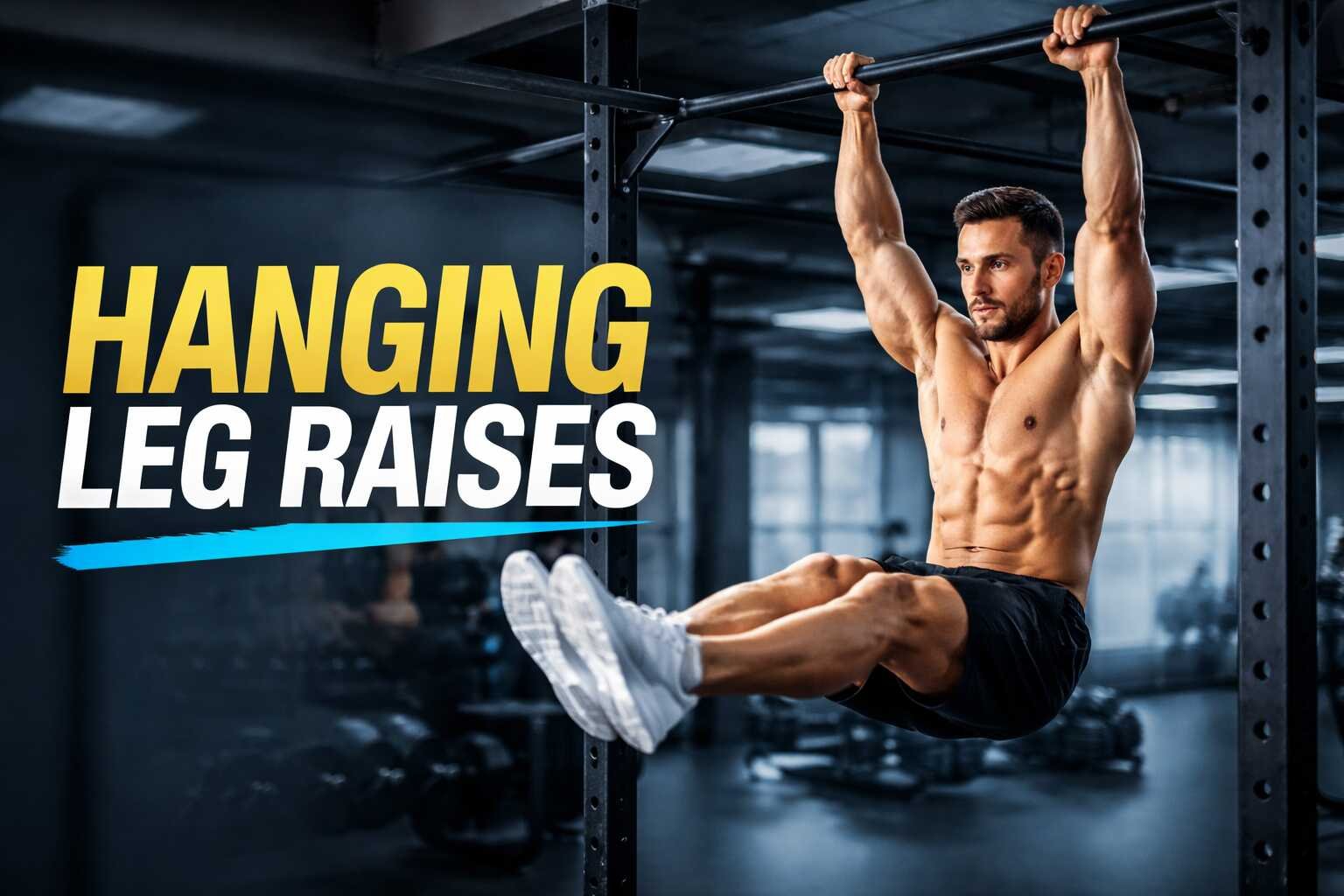
When it comes to strengthening your core, many exercises come to mind. However, few exercises are as effective and challenging as the hanging leg raises. This simple yet powerful move targets your abdominal muscles, hip flexors, and even your lower back. If you’re looking to enhance your fitness routine and take your ab workout to the next level, understanding the benefits and proper techniques of hanging leg raises can make all the difference. This article will delve into the benefits of hanging leg raises, how to perform them correctly, variations to try, and more.
What Are Hanging Leg Raises?
Hanging leg raises are a core-strengthening exercise where you hang from a pull-up bar, then raise your legs toward your chest or overhead. This exercise primarily targets the lower abs but also engages the entire core, including the hip flexors and obliques. Unlike traditional crunches, hanging leg raises work the muscles through a greater range of motion and require more stabilization, making them a highly effective movement for developing overall core strength.
Benefits of Hanging Leg Raises
1. Targets the Lower Abs
One of the biggest advantages of hanging leg raises is their ability to target the lower abdominal muscles. These muscles can be difficult to isolate with traditional ab exercises like crunches. The hanging position forces your body to activate the lower abs to stabilize and lift your legs. This results in improved muscle tone in your lower abdominal region.
2. Improves Core Stability
Core stability is essential for functional movement in daily life and athletic performance. Hanging leg raises force your entire core to engage, not just your abdominal muscles. This leads to improved balance and stability, which translates into better posture and reduced risk of injury during other exercises or physical activities.
3. Increases Flexibility and Mobility
As you raise your legs during hanging leg raises, you’re also stretching your hip flexors and lower back muscles. This can help improve flexibility and range of motion, particularly in the hips. Improved flexibility can reduce tightness in the lower body and increase overall mobility, making it easier to perform other exercises or daily movements.
4. Builds Grip Strength
Holding onto the pull-up bar during hanging leg raises isn’t just for your core—it also works your grip strength. The longer you hang, the more you activate the muscles in your hands, forearms, and shoulders. Over time, this can lead to stronger hands and forearms, which are beneficial for many other strength-based exercises, such as deadlifts and pull-ups.
5. Enhances Mental Toughness
Hanging leg raises require focus and discipline. As you perform the exercise, maintaining proper form while engaging multiple muscle groups tests your mental endurance. By pushing through this challenging exercise, you can enhance your mental toughness, which is essential for overcoming obstacles both in the gym and in everyday life.
How to Perform Hanging Leg Raises
Step 1: Set Up
Begin by finding a stable pull-up or dip bar that can support your body weight. Grab the bar with an overhand grip (palms facing away from you) and let your body hang down with your arms fully extended. Ensure that your feet are off the ground.
Step 2: Engage Your Core
Before you start moving your legs, engage your core by pulling your belly button towards your spine. This will help protect your lower back during the exercise. Keeping your core tight throughout the movement will also maximize the activation of the abdominal muscles.
Step 3: Raise Your Legs
Slowly raise your legs straight in front of you, keeping them together and maintaining control. Aim to raise your legs until they’re parallel to the floor or higher, depending on your flexibility and strength level. Focus on using your abdominal muscles, not just momentum, to lift your legs.
Step 4: Lower Your Legs
Once you’ve reached the top of the movement, slowly lower your legs back to the starting position. Control the descent to avoid swinging and to keep tension on your core throughout the entire exercise. Repeat for the desired number of repetitions.
Common Mistakes to Avoid
- Swinging: Avoid swinging your body during the movement, as this can take the focus off your abs and lead to unnecessary strain on your lower back. Focus on controlled movements and engaging your core.
- Not Engaging the Core: Ensure that your core is engaged at all times. If you allow your core to disengage, you risk straining your lower back.
- Using Momentum: While it may be tempting to use momentum to lift your legs, doing so reduces the effectiveness of the exercise. The slower and more controlled the movement, the more your core will benefit.
Variations of Hanging Leg Raises
- Knee Raises: If you’re a beginner or want to ease into hanging leg raises, start with knee raises. Instead of lifting your legs straight, bring your knees towards your chest. This modification reduces the intensity but still engages your abdominal muscles.
- Toes to Bar: For a more advanced version, try toes to bar. In this variation, you raise your legs higher, aiming to touch your toes to the bar. This increases the range of motion and engages your abs even more.
- L-Sit Leg Raise: To add extra challenge, perform hanging leg raises with your legs extended in an L-shape. This variation targets your hip flexors and requires more core stability.
- Weighted Hanging Leg Raises: For those looking to increase the intensity of their workout, adding weight can help. Hold a dumbbell or weight plate between your feet or wear ankle weights while performing the leg raises.
Tips for Success
- Start Slow: If you’re new to hanging leg raises, start with knee raises and gradually progress to full leg raises as your strength improves.
- Build Grip Strength: Hanging leg raises require a strong grip. If you struggle to hold onto the bar, consider adding in some grip-strengthening exercises like farmer’s walks or wrist curls.
- Rest Between Sets: Hanging leg raises can be taxing on the core and grip, so ensure you take adequate rest between sets to avoid fatigue and maximize performance.
- More Details : Zryly.com Internet: How This Platform Fits into the Modern Digital World
FAQ:
1. How many hanging leg raises should I do?
Start with 3 sets of 10-15 reps, gradually increasing the number of reps as your strength improves.
2. Can hanging leg raises help get rid of belly fat?
While hanging leg raises are great for strengthening your core, they do not directly target fat loss. A combination of strength training and cardiovascular exercises is necessary for fat loss.
3. Are hanging leg raises safe for beginners?
Yes, but beginners should start with knee raises or other modified versions before progressing to full leg raises.
4. How can I avoid swinging during hanging leg raises?
Focus on engaging your core and performing the exercise slowly and controlled to prevent momentum from taking over.
5. Can hanging leg raises help with lower back pain?
Hanging leg raises can help strengthen the lower back and improve posture. However, if you have pre-existing back issues, consult a doctor or physical therapist before attempting this exercise.
Conclusion
Hanging leg raises are an incredibly effective exercise for building a strong core, improving stability, and increasing flexibility. By performing this exercise with proper technique and consistency, you can significantly enhance your abdominal strength and overall fitness. Whether you’re a beginner or an advanced athlete, hanging leg raises can be adapted to suit your level, providing you with a versatile and challenging workout. So, add this exercise to your routine and start reaping the benefits today!


12 Best Omegle Alternatives for Random Video Chat and Meeting New People

Dbxbqm Meaning: Why It Appears When You Try to Type YouTube

Immediate Loading Implants: How “Fixed Teeth in 48 Hours” Really Works

How UK Mobile Proxies Help Businesses Test Their Websites

Gen AI in Supply Chain: Using Supply Chain Benchmarks to Improve Performance

What Is the UK Theory Test? How It Works, Cost and Pass Mark

Weather the Storm: Why Totally Branded Umbrellas are the UK’s Most Appreciated Gift

How to Store, Wind, and Travel With Your Automatic Watch Collection Without Damaging It

What Do HubSpot Onboarding Services Include?

AI in Supply Chain: How AI Consulting Services Help Build More Intelligent and Resilient Operations
Immediate Loading Implants: How “Fixed Teeth in 48 Hours” Really Works
How UK Mobile Proxies Help Businesses Test Their Websites
Gen AI in Supply Chain: Using Supply Chain Benchmarks to Improve Performance
12 Best Omegle Alternatives for Random Video Chat and Meeting New People
Dbxbqm Meaning: Why It Appears When You Try to Type YouTube
12 Best Omegle Alternatives for Random Video Chat and Meeting New People
Dbxbqm Meaning: Why It Appears When You Try to Type YouTube
Immediate Loading Implants: How “Fixed Teeth in 48 Hours” Really Works
How UK Mobile Proxies Help Businesses Test Their Websites
Gen AI in Supply Chain: Using Supply Chain Benchmarks to Improve Performance
What Is the UK Theory Test? How It Works, Cost and Pass Mark
Weather the Storm: Why Totally Branded Umbrellas are the UK’s Most Appreciated Gift
How to Store, Wind, and Travel With Your Automatic Watch Collection Without Damaging It
What Do HubSpot Onboarding Services Include?
AI in Supply Chain: How AI Consulting Services Help Build More Intelligent and Resilient Operations
-

 Tech9 months ago
xxx is equal to 2022: A Complete Informative Explanation of a Cubic Equation
-

 Celebrity8 months ago
Izzie Balmer Partner: A Deep Dive into the Relationship with Will Hawley
-

 Entertainment9 months ago
The Artistic World of Gege Akutami: A Mastermind Behind Jujutsu Kaisen
-

 Food5 months ago
Best Sushi Rice Brands: A Complete Guide to Choosing the Right Rice for Sushi