
Tech
Professional Networking Tips: Your Guide to Building Powerful Connections

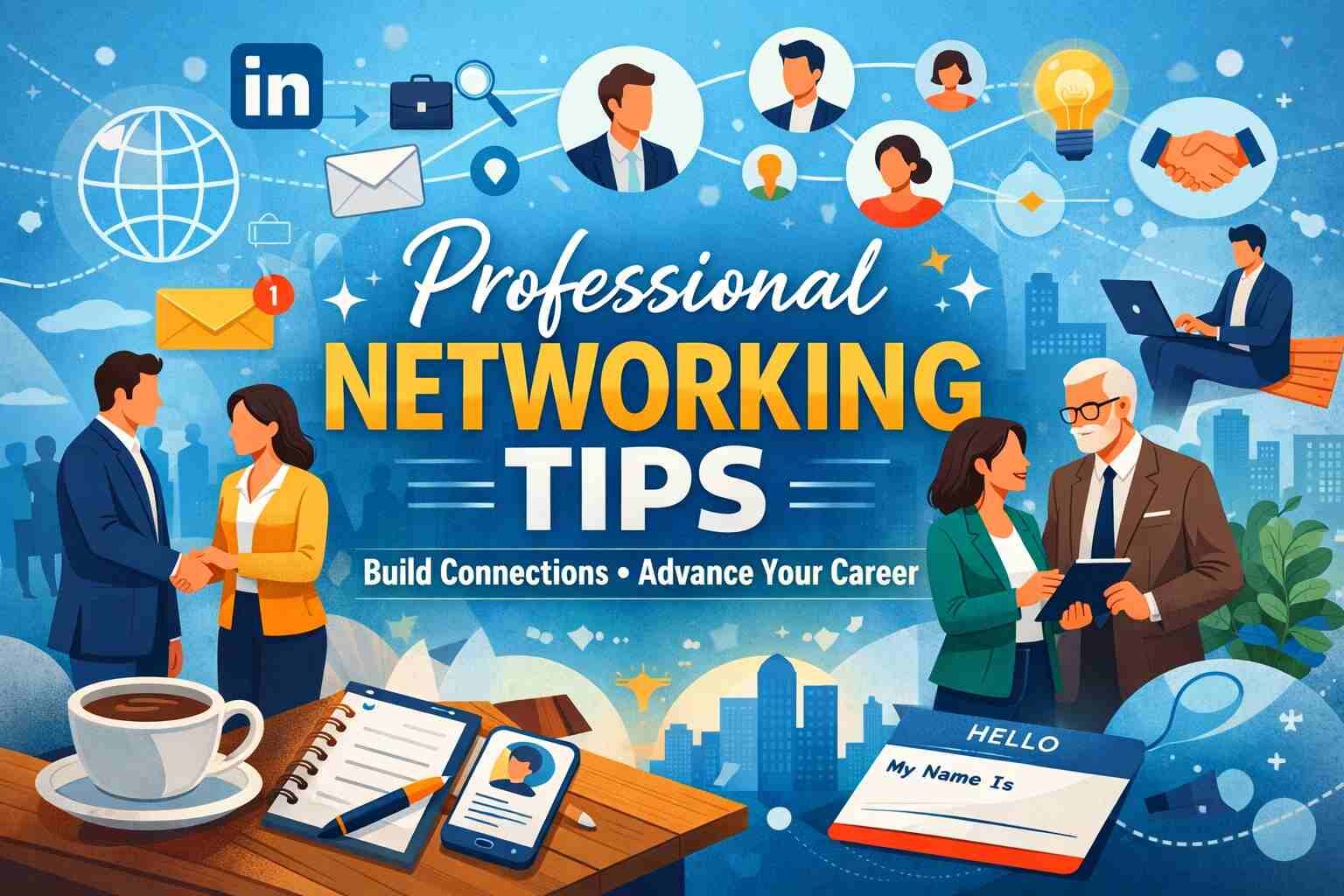
Networking plays a pivotal role in building a successful career, and having the right approach to professional networking can open up countless opportunities. This article will walk you through the best professional networking tips to help you build meaningful connections, advance your career, and make lasting impressions.
1. Why Professional Networking Is Essential
Professional networking isn’t just about collecting business cards or connecting on LinkedIn. It’s about creating meaningful relationships that can help you grow, both personally and professionally. Through effective networking, you can:
- Gain access to job opportunities.
- Expand your industry knowledge and skills.
- Receive valuable advice and mentorship.
- Build a reputation within your field.
Without a strong professional network, it can be hard to reach your career goals. That’s why understanding professional networking tips and practicing them consistently is essential for success.
2. Understanding the Core of Professional Networking
Networking involves much more than just knowing the right people—it’s about creating genuine, two-way relationships. Successful networking is based on mutual respect, support, and the willingness to help others as much as you help yourself. When building a professional network, keep the following in mind:
- Be Authentic: Genuine connections are built on trust, so always be your true self.
- Offer Value: Relationships are a two-way street. Offer your help or advice whenever possible.
- Follow Up: After making initial contact, continue the conversation to maintain a connection.
3. Best Places to Network Professionally
One of the most effective professional networking tips is knowing where to network. Different settings provide different opportunities for connection. Here are some key places to focus on:
Networking Events
Conferences, trade shows, and professional meet-ups are great places to meet like-minded individuals. Events tailored to your industry can offer both educational value and a chance to expand your professional circle.
Online Platforms
LinkedIn is arguably the most well-known platform for professional networking, but don’t overlook other social media platforms and forums related to your field. Regularly posting insightful content and engaging with others’ posts can also help you stand out.
Industry Associations
Joining professional groups and associations is an excellent way to network with people who share your professional interests. These groups often host events, workshops, and conferences designed to foster collaboration and networking.
4. How to Approach Networking with Confidence
One of the biggest challenges many professionals face is initiating a conversation. If you feel nervous about networking, follow these professional networking tips to boost your confidence:
- Prepare Your Elevator Pitch: Be ready to introduce yourself in a concise and engaging way. Focus on what you do, why it matters, and what you’re looking for.
- Ask Thoughtful Questions: Show a genuine interest in the person you’re talking to by asking insightful questions about their career, experiences, or goals.
- Listen Actively: Good networking is just as much about listening as it is about talking. Make sure you engage in conversations and listen attentively to what others have to say.
5. The Importance of Consistency in Networking
Building relationships through networking is a long-term effort. It’s important to consistently reach out to and maintain contact with those in your network. Here are some professional networking tips for staying in touch:
- Send Periodic Updates: Keep your connections informed about your career progress and any notable achievements.
- Congratulate Others: Celebrate the achievements of your network—whether it’s a new job, promotion, or personal milestone.
- Engage on Social Media: Like, comment, and share relevant posts from your network. This helps keep you on their radar and keeps your relationships fresh.
6. Leveraging Networking for Career Advancement
Networking isn’t just about finding a new job—it’s about creating opportunities for career growth. When you have a solid network, you can:
- Tap into Hidden Job Markets: Many job opportunities aren’t advertised publicly. Your network can alert you to openings that you wouldn’t have found otherwise.
- Access Mentorship: A strong network can provide you with invaluable guidance from more experienced professionals in your field.
- Stay Informed: Networking allows you to stay updated on the latest trends and developments in your industry, keeping you competitive.
7. Don’t Forget About the Follow-Up
The follow-up is one of the most crucial steps in effective networking. After meeting someone, it’s essential to follow up promptly and thoughtfully. Here’s how to do it:
- Send a Thank-You Email: After meeting a new contact, send them a personalized email thanking them for their time. Mention something specific you discussed to help the connection feel more personal.
- Connect on LinkedIn: After your conversation, send a connection request with a personalized message that reminds them of who you are.
- Offer to Help: If you have any useful resources or advice, share them in your follow-up to offer value.
8. Avoid Common Networking Mistakes
Even seasoned professionals can make mistakes when networking. Here are a few common mistakes to avoid:
- Being Too Self-Focused: While networking is about furthering your career, don’t make every conversation about your needs. Show interest in others and help where you can.
- Neglecting to Follow Up: Failing to follow up can make your initial connection feel meaningless. Always stay engaged and nurture your relationships.
- Networking Only When You Need Something: Successful networking requires consistency. Don’t only reach out to people when you need a favor—maintain relationships even when things are going well.
9. The Power of Networking for Entrepreneurs
Networking is particularly important for entrepreneurs who often rely on a broad network for clients, advice, and partnerships. Some additional professional networking tips for entrepreneurs include:
- Collaborate with Other Entrepreneurs: Build alliances with other business owners in your industry. You can exchange ideas, share resources, or even partner on projects.
- Attend Entrepreneur-Specific Events: Look for events focused on startups and small businesses. These can help you connect with like-minded individuals.
- Be Visible in Your Industry: By attending events, publishing content, and participating in conversations, you’ll become known in your field and attract people to your network.
10. Networking Across Different Career Stages
Networking strategies can differ depending on where you are in your career. Here are some tailored tips:
- For Early Career Professionals: Focus on learning from others, gaining advice, and building your professional foundation.
- For Mid-Level Professionals: At this stage, you should aim to solidify your reputation and connect with senior leaders and mentors who can provide guidance and opportunities.
- For Senior Professionals: Your goal should be to give back to the community, mentoring younger professionals and sharing your expertise.
FAQs About Professional Networking
1. How can I start networking if I’m shy?
Start small by attending events where you feel comfortable, and practice starting conversations with people you already know. Gradually expand your network, and remember that most people are open to networking.
2. Should I always ask for a job when networking?
No. Networking should be about building relationships. Focus on learning from others, exchanging ideas, and offering help. Job opportunities will come naturally when you’ve built strong connections.
3. How often should I network?
Consistent networking is key. Aim to connect with someone new each month, and regularly check in with people you’ve already met to keep the relationship alive.
4. How do I maintain professional networking online?
Engage on social media by sharing valuable content, commenting on posts, and sending periodic check-ins. Use LinkedIn to stay connected and engage in discussions relevant to your industry.
5. What should I do if I’ve lost contact with someone I met while networking?
Send a friendly message acknowledging that it’s been a while and ask how they’ve been. Re-establishing the connection is easier than you think if you approach it with sincerity.
More Details : 17 Best Software Development Tips: A Practical Guide to Becoming a Better Developer
By applying these professional networking tips, you can build a strong, supportive network that will help you in every stage of your career. Networking is about more than just connecting with people—it’s about creating lasting relationships that provide mutual benefit. Keep practicing these strategies, and over time, you’ll develop a network that not only supports you but helps you thrive.

Immediate Loading Implants: How “Fixed Teeth in 48 Hours” Really Works

How UK Mobile Proxies Help Businesses Test Their Websites

Gen AI in Supply Chain: Using Supply Chain Benchmarks to Improve Performance

What Is the UK Theory Test? How It Works, Cost and Pass Mark

Weather the Storm: Why Totally Branded Umbrellas are the UK’s Most Appreciated Gift

How to Store, Wind, and Travel With Your Automatic Watch Collection Without Damaging It

What Do HubSpot Onboarding Services Include?

AI in Supply Chain: How AI Consulting Services Help Build More Intelligent and Resilient Operations

Hungary Dental Tourism: Quality Dental Care at Affordable Prices

Timur Turlov: A Vision for the Future of Global Chess
How to Store, Wind, and Travel With Your Automatic Watch Collection Without Damaging It
What Is the UK Theory Test? How It Works, Cost and Pass Mark
Weather the Storm: Why Totally Branded Umbrellas are the UK’s Most Appreciated Gift
Gen AI in Supply Chain: Using Supply Chain Benchmarks to Improve Performance
How UK Mobile Proxies Help Businesses Test Their Websites
Immediate Loading Implants: How “Fixed Teeth in 48 Hours” Really Works
Immediate Loading Implants: How “Fixed Teeth in 48 Hours” Really Works
How UK Mobile Proxies Help Businesses Test Their Websites
Gen AI in Supply Chain: Using Supply Chain Benchmarks to Improve Performance
What Is the UK Theory Test? How It Works, Cost and Pass Mark
Weather the Storm: Why Totally Branded Umbrellas are the UK’s Most Appreciated Gift
How to Store, Wind, and Travel With Your Automatic Watch Collection Without Damaging It
What Do HubSpot Onboarding Services Include?
AI in Supply Chain: How AI Consulting Services Help Build More Intelligent and Resilient Operations
Hungary Dental Tourism: Quality Dental Care at Affordable Prices
Timur Turlov: A Vision for the Future of Global Chess
-

 Tech8 months ago
xxx is equal to 2022: A Complete Informative Explanation of a Cubic Equation
-

 Celebrity8 months ago
Izzie Balmer Partner: A Deep Dive into the Relationship with Will Hawley
-

 Entertainment8 months ago
The Artistic World of Gege Akutami: A Mastermind Behind Jujutsu Kaisen
-

 Food5 months ago
Best Sushi Rice Brands: A Complete Guide to Choosing the Right Rice for Sushi