Islamic
Safar ki Dua: A Guide to Blessings and Safety During Travel

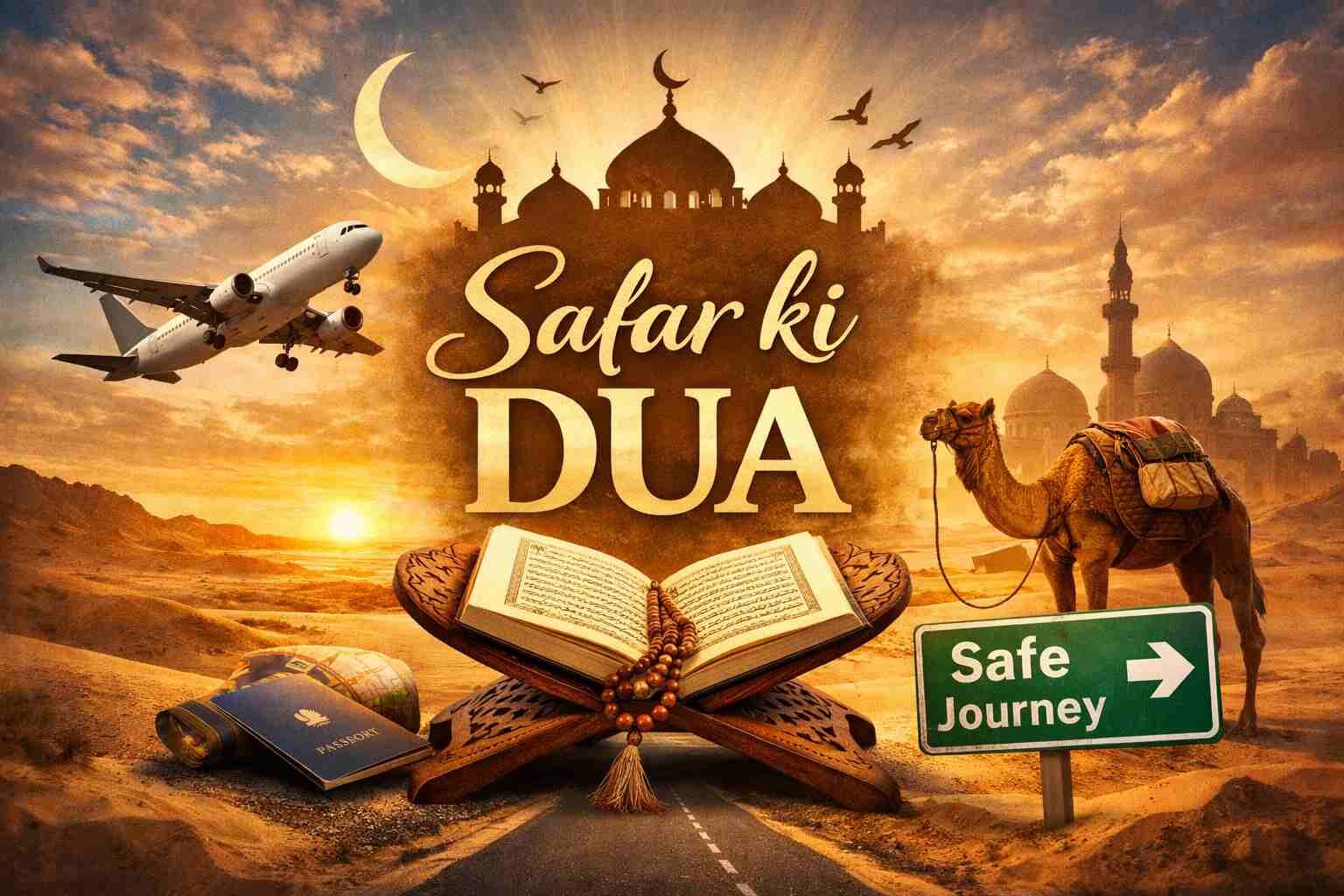
Traveling is an essential part of life, whether for work, education, or leisure. In Islam, seeking protection and blessings during travel is highly recommended. “Safar ki Dua” refers to the supplication that travelers recite to ensure a safe journey and divine guidance. This dua is mentioned in authentic Islamic sources and is a way to seek Allah’s protection from accidents, hardships, and unexpected difficulties during travel.
Reciting this dua is not just about safety but also a spiritual practice that increases mindfulness, trust in Allah, and gratitude. Travelers are encouraged to recite it both before departure and during the journey to maintain peace and spiritual protection.
Importance of Safar ki Dua in Daily Life
The practice of reciting Safar ki Dua is rooted in the teachings of the Prophet Muhammad (peace be upon him). Travelers are exposed to risks like road accidents, weather challenges, or unforeseen events. Reciting this dua acts as a shield, reminding believers to place their trust in Allah.
Moreover, the dua encourages patience and mindfulness. It serves as a spiritual anchor, helping travelers remain calm and focused, especially in stressful situations. It is an easy yet effective way to incorporate spirituality into everyday activities like commuting or long-distance travel.
Text of Safar ki Dua
The traditional Safar ki Dua can be recited in Arabic, but it is often translated into Urdu, English, or other languages for better understanding. The commonly recited version is:
“Bismillahi tawakkaltu ‘alallahi la hawla wa la quwwata illa billah”
This translates to:
“In the name of Allah, I place my trust in Allah, and there is no might or power except with Allah.”
Reciting it with understanding strengthens its impact. Travelers are encouraged to learn the meaning and reflect upon it while reciting.
When to Recite Safar ki Dua
The Safar ki Dua can be recited at multiple stages of travel:
- Before Leaving Home: It is recommended to recite the dua before stepping out, ensuring the journey begins with blessings.
- During Travel: Repeat the dua periodically, especially when facing stressful or uncertain situations, like crossing a busy road or traveling in harsh weather.
- Upon Arrival: While the traditional Safar ki Dua is for the journey, expressing gratitude upon reaching safely is also encouraged through prayers of thanks.
This practice establishes a connection with Allah throughout the journey, enhancing spiritual security.
Benefits of Reciting Safar ki Dua
Reciting Safar ki Dua offers multiple benefits:
- Safety and Protection: It provides a spiritual layer of protection from accidents and unforeseen events.
- Mental Peace: Reciting the dua reduces anxiety and fear, allowing travelers to remain calm.
- Spiritual Mindfulness: The practice strengthens faith and reinforces reliance on Allah.
- Encourages Gratitude: Travelers are reminded to be thankful for each safe step and milestone.
These benefits are not only spiritual but also practical, as calm and mindful travelers make safer and wiser decisions.
Safar ki Dua in Different Languages
While Arabic is the original language of the dua, it is helpful to learn it in a language you understand. For instance:
- Urdu: اللہ کے نام سے، میں اللہ پر بھروسہ کرتا ہوں اور اللہ کے سوا کوئی طاقت یا قوت نہیں۔
- English: In the name of Allah, I rely on Allah, and there is no power or strength except with Allah.
Learning these translations helps non-Arabic speakers understand the meaning and feel connected to the prayer. It is especially useful for families traveling together, ensuring children can also participate.
Tips for Making the Most of Safar ki Dua
- Recite with focus and sincerity. Understanding the words enhances their spiritual effect.
- Keep a small note or app with the dua in your phone for easy access.
- Combine the dua with other travel practices like checking maps, planning routes, and obeying traffic rules for complete safety.
- Teach children and family members to recite it, creating a protective habit for everyone traveling.
These simple practices turn a regular journey into a spiritually conscious and safe experience.
Modern Applications of Safar ki Dua
Even in modern travel, whether by car, airplane, or train, reciting Safar ki Dua remains relevant. Airlines often encourage safe practices, and combining these with spiritual practices provides holistic safety. Many Muslims recite it silently before takeoff or before long drives.
Additionally, for digital travelers, like virtual journeys or online work, reciting the dua can also act as a reminder of mindfulness and focus.
Conclusion:
Safar ki Dua is more than a ritual. It is a way to bring calm, protection, and mindfulness to every journey. By reciting it regularly, travelers build faith, reduce anxiety, and invite blessings into their trips. Whether you travel daily or occasionally, incorporating this dua ensures both spiritual and practical safety.
More Details : Chainsaw Man — Reze Arc Explained: Story, Character, and Impact
FAQs
1. Can Safar ki Dua be recited by children?
Yes, children can recite it with guidance. Simplified translations can help them understand and practice the prayer.
2. Is it necessary to recite it in Arabic?
Arabic is preferred, but understanding the meaning in your own language enhances its effect.
3. Can Safar ki Dua be recited for short trips?
Yes, it is suitable for any travel, short or long. It ensures safety and mindfulness regardless of distance.
4. How often should I repeat the dua during travel?
Recite it before departure and repeat when feeling anxious or encountering challenges during the journey.
5. Are there any other prayers to recite along with Safar ki Dua?
Yes, travelers can recite prayers of gratitude upon arrival, as well as general protection duas for their family and belongings.


12 Best Omegle Alternatives for Random Video Chat and Meeting New People

Dbxbqm Meaning: Why It Appears When You Try to Type YouTube

Immediate Loading Implants: How “Fixed Teeth in 48 Hours” Really Works

How UK Mobile Proxies Help Businesses Test Their Websites

Gen AI in Supply Chain: Using Supply Chain Benchmarks to Improve Performance

What Is the UK Theory Test? How It Works, Cost and Pass Mark

Weather the Storm: Why Totally Branded Umbrellas are the UK’s Most Appreciated Gift

How to Store, Wind, and Travel With Your Automatic Watch Collection Without Damaging It

What Do HubSpot Onboarding Services Include?

AI in Supply Chain: How AI Consulting Services Help Build More Intelligent and Resilient Operations
Immediate Loading Implants: How “Fixed Teeth in 48 Hours” Really Works
How UK Mobile Proxies Help Businesses Test Their Websites
Gen AI in Supply Chain: Using Supply Chain Benchmarks to Improve Performance
12 Best Omegle Alternatives for Random Video Chat and Meeting New People
Dbxbqm Meaning: Why It Appears When You Try to Type YouTube
12 Best Omegle Alternatives for Random Video Chat and Meeting New People
Dbxbqm Meaning: Why It Appears When You Try to Type YouTube
Immediate Loading Implants: How “Fixed Teeth in 48 Hours” Really Works
How UK Mobile Proxies Help Businesses Test Their Websites
Gen AI in Supply Chain: Using Supply Chain Benchmarks to Improve Performance
What Is the UK Theory Test? How It Works, Cost and Pass Mark
Weather the Storm: Why Totally Branded Umbrellas are the UK’s Most Appreciated Gift
How to Store, Wind, and Travel With Your Automatic Watch Collection Without Damaging It
What Do HubSpot Onboarding Services Include?
AI in Supply Chain: How AI Consulting Services Help Build More Intelligent and Resilient Operations
-

 Tech9 months ago
xxx is equal to 2022: A Complete Informative Explanation of a Cubic Equation
-

 Celebrity8 months ago
Izzie Balmer Partner: A Deep Dive into the Relationship with Will Hawley
-

 Entertainment9 months ago
The Artistic World of Gege Akutami: A Mastermind Behind Jujutsu Kaisen
-

 Food5 months ago
Best Sushi Rice Brands: A Complete Guide to Choosing the Right Rice for Sushi