
Travel
Bus Advertising in Poland: A Practical Guide for Businesses Seeking Greater Visibility

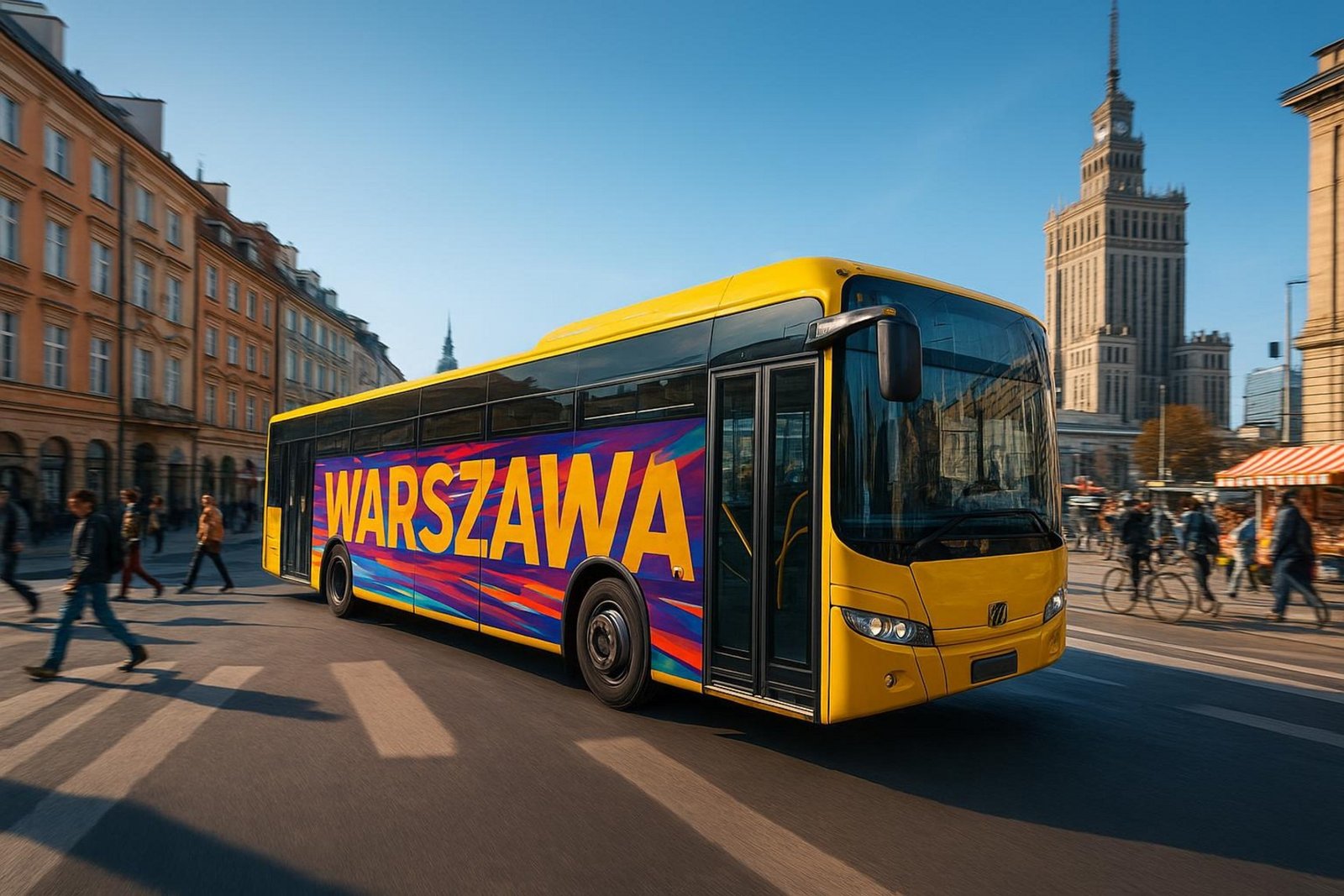
In a busy market, getting people to notice your brand can be hard. Many businesses try new ways to stand out, and in Poland, one method still works very well: bus advertising. So how can a company use buses in Polish cities and towns to get more attention? It’s easier than it may seem. This guide explains the basics, the benefits, and the main planning points for bus advertising in Poland, so you can turn public transport into a moving ad for your brand. If you want to learn more or start planning, check solutions for bus advertising in Poland.
Bus advertising is a type of outdoor advertising where buses carry your message as they move around. Unlike a billboard that stays in one place, a bus ad travels through many areas every day. That means your message can reach many different people-often more than once-during normal daily life. This movement and constant visibility make bus ads a strong option for building awareness and driving local interest across Poland.
Bus Advertising in Poland: Key Facts and Market Context
Poland has growing cities and strong public transport networks, which makes it a great place for bus advertising. Every day, commuters, pedestrians, and drivers create a steady audience. Buses are already part of what people see on the streets, so ads on buses fit naturally into the local environment. Knowing how this market works helps you plan a campaign that connects with people.
How the Polish Transit System Supports High Visibility Campaigns
Public transport systems in Poland give advertisers a lot of exposure. Buses don’t stay on one main road-they move through shopping areas, housing districts, business zones, and busy roads every day. That makes them moving billboards seen by thousands of people. Many people also see the same buses again and again on their usual route, which helps them remember the brand. Over time, quick looks can turn into strong brand recognition because the ad becomes part of daily routines.
Where Bus Advertising Is Most Effective: Metropolitan vs. Regional Areas
Bus advertising can work well in both large and smaller places, but results may look different depending on the area.
In big cities like Warsaw, Kraków, or Wrocław, traffic is heavy and commuting often takes longer. Bus advertising here is often used for wide branding campaigns, app promotion, real estate projects, and entertainment. With so many people and vehicles, exposure is very high, so these cities are good for reaching a broad audience.
In smaller cities and regional towns, bus advertising often works very well for local promotions. Schools, clinics, retail shops, and public information campaigns use it to get noticed in the local area. In these markets, people may remember ads more because there are fewer competing ads, and the audience is more focused in the same places.
Why Polish Businesses Choose Bus Advertising
Polish companies often choose bus advertising because it moves, reaches many people, and can be budget-friendly. It offers advantages that many other ad formats cannot.
Increases Brand Awareness across Diverse Audiences
Buses travel across many parts of a city or town, so they reach many types of people. Students, office workers, shoppers, tourists, and families can all see the same ad. This wide exposure helps your brand become familiar over time. The goal is simple: be seen often in the places where people live, work, and spend time.
Delivers Mobile, High-Frequency Exposure
A billboard stays in one spot, but a bus ad moves all day. That means your message can appear in many neighborhoods and reach different groups. It also creates repeated exposure, because people often see the same buses during their routine. Seeing the same message many times helps people remember it, feel more familiar with the brand, and may even increase interest in buying.
Supports Local Targeting for Polish Cities and Towns
Bus advertising is strong for location targeting. In Poland, you can pick routes that match your audience. For example:
- A new café can choose routes near housing areas and office districts.
- A university can focus on routes near dorms and schools.
- A local store can focus on routes that serve nearby neighborhoods.
This helps you spend money where the right customers are more likely to see your ad.
Non-Intrusive Format with Broad Demographic Reach
Bus ads are part of the street scene. They don’t interrupt people like pop-ups or forced video ads. People notice them while walking, driving, or riding the bus. Because they are visible without being disruptive, bus ads can reach many groups without causing the annoyance that some digital formats can create.
Improves Marketing Budgets with Cost-Effective Strategies
Compared with TV ads or large digital campaigns, bus advertising can be a cost-friendly choice. One bus can generate thousands of views per day. You also avoid ongoing “per click” or “per view” costs. Since there are different sizes and placements, businesses can choose options that match their budget while still getting strong visibility.
Types of Bus Advertising Available in Poland
Bus advertising comes in different formats, so you can choose what fits your goal and budget. Some options focus on big impact, while others focus on lower cost or more detailed messaging.
Full Bus Wraps: Maximum Impact and Visibility
A full wrap covers almost the whole outside of the bus. The bus becomes a large moving ad with strong visuals. Full wraps are hard to miss and work well for major awareness campaigns and product launches, especially in busy cities.
Partial Wraps and Side Panels: Cost-Effective Branding
Partial wraps cover only parts of the bus, such as the side or rear, and they cost less than full wraps. Side panel ads (often called “Kings & Queens”) are large rectangles placed below the windows. They offer a lot of space and are easy to spot from the road, which makes them useful in crowded areas.
Back Panel Advertising: Targeted Messaging for Drivers
Back panel ads go on the rear of the bus. They are easy for drivers behind the bus to see, especially in traffic. This is a good format for short messages and clear calls to action, because the audience has time to look while waiting in traffic.
Interior Ad Formats: Engaging Onboard Passengers
Inside the bus, ads can reach passengers who have more time to look. Interior options can include seat branding, handle branding, posters above seats, and digital screens. These formats work well for messages that need a bit more explanation, such as local offers, service details, or public information.
Industries and Campaigns That Benefit Most from Bus Advertising
Because buses reach many people and can be tied to specific routes, many industries in Poland can use them successfully.
Retail, FMCG, and E-commerce Brands
Bus advertising works well for retail and consumer brands:
- Retail stores: Promote store visits, sales, and seasonal offers.
- FMCG brands: Build mass visibility so products stay in people’s minds.
- E-commerce: Use bold designs to push app downloads and increase awareness.
Healthcare and Educational Institutions
Hospitals, clinics, and diagnostic centers use bus ads for health awareness and new services. Schools, colleges, universities, and private training centers often target routes used by students and parents, promoting enrollment periods, courses, and open days.
Real Estate, Financial, and Telecom Services
Developers and real estate companies use bus campaigns to promote new projects across a city. Banks, insurance firms, and fintech companies use transit ads to build trust and visibility. Telecom brands often use buses to promote new plans, discounts, and product launches.
Government and Public Awareness Campaigns
Public agencies use bus advertising to share important messages such as vaccination drives, road safety, environmental programs, and other public welfare topics. Because buses move all day and repeat routes, the message can reach a large part of the population many times.
Political and Event-Based Promotions
During elections, political parties use buses to reach voters across different areas. Event organizers also use bus wraps and panels to promote concerts, festivals, and cultural events, sharing dates, locations, and ticket details with people across the city.
What Influences the Cost of Bus Advertising in Poland?
Bus advertising costs depend on several factors. Exact prices vary, but the same main elements usually shape the final budget.
City Size, Route Popularity, and Regional Demand
Big cities like Warsaw or Kraków usually cost more because there is more traffic and a bigger audience. Routes through city centers, shopping districts, tourist areas, and business zones often cost more because visibility is higher. Smaller towns and less busy routes are usually cheaper because demand and reach are lower. An agency like BE Media can help you match locations to your budget and reach goals.
Type, Size, and Placement of the Bus Ad
The ad format strongly affects price:
| Format | Typical cost level | Main benefit |
| Full wrap | Highest | Very strong visibility and impact |
| Partial wrap / Side panels (King/Queen) | Medium | Big space with lower cost than full wrap |
| Back panel | Lower | Good for short messages aimed at drivers |
| Interior ads | Lower | More attention time from passengers |
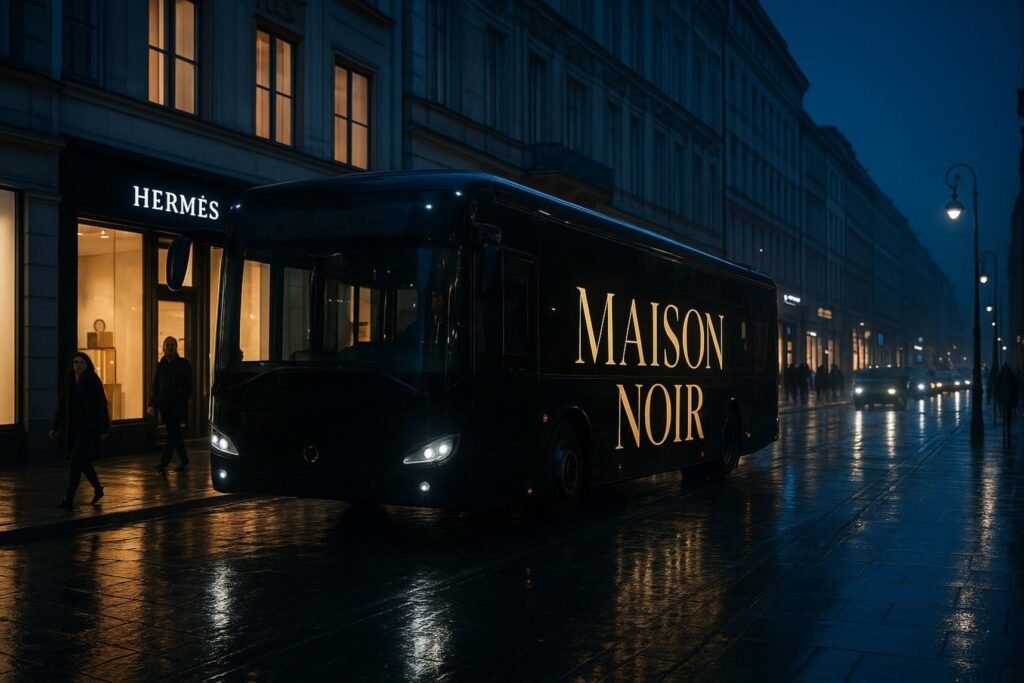
Production, Installation, and Campaign Logistics
Your budget should include production and installation, not just the ad space. Costs may include:
- Graphic design
- Printing (often on weather-resistant vinyl)
- Professional installation and removal
- Logistics, such as replacing an ad if a bus is taken out of service for repairs
These are often one-time costs, but they can change depending on design detail and how many buses you use.
Duration and Schedules: Short vs. Long-Term Campaigns
Campaign length changes the total price. Many providers require a minimum period (often around 2 weeks). Longer campaigns often give better rates per day or per month. A campaign of at least 12 weeks is often suggested for stronger recall because people need repeated exposure. Short campaigns for events (like 7-30 days) may cost more per day. Season also matters: tourist peaks and holidays can raise prices.
How to Plan and Execute a Bus Advertising Campaign in Poland
A good bus advertising campaign needs careful planning and smart choices. A clear process helps you get better results for your budget.
Defining Campaign Goals: Brand Awareness, Local Promotions, or Calls-to-Action
Start by deciding what success looks like. Do you want:
- Brand awareness across a city?
- Promotion for a local store or service?
- Leads, website visits, or app downloads?
- Event attendance?
Your goal will affect everything else. For example, a lead campaign may use a QR code and website, while an awareness campaign may focus more on strong visuals and a short slogan.
Selecting the Right Bus Routes for Maximum Coverage
Route choice is one of the most important steps. Pick routes that match where your audience goes every day. Use available data to review traffic volume, common passenger types, and peak travel times. Think about areas like shopping streets, housing districts, office zones, campuses, and airport routes. Media planners can help you choose routes that give better reach and avoid poor placements.
Aligning Ad Type with Budget, Message, and Target Audience
Choose a format that fits your goal:
- Full wrap: Best for big impact across a city.
- Partial wrap/side panels: Strong visibility at a lower cost.
- Back panel: Great for short calls to action for drivers.
- Interior ads: Better for detailed messages for passengers.
The format should match what you want to say and how much you can spend.
Timing and Duration: Seasonal Peaks and Event-Based Strategies
Pick timing that supports your business. Holiday shopping, summer travel, and back-to-school periods can bring more people into cities and increase views. These times may also cost more. For long-term brand building, campaigns of 3, 6, or 12 months help build familiarity. For events and limited offers, shorter runs can work, but outdoor ads often perform better with steady presence.
Common Mistakes to Avoid in Polish Bus Advertising
Overcrowded or Complex Creative Designs
People usually have only a few seconds to view a bus ad. If there is too much text or too many visuals, the message becomes hard to read. Strong bus ads use short text, bold color contrast, one main message, and clear branding.
Poor Route Selection
Route choice must match the audience. A high-end product on routes that don’t fit the buyer profile may perform poorly. The same is true if you market youth products on routes used mostly by older riders. Good planning and local knowledge help you reach the right people.
Neglecting Campaign Duration
Very short campaigns may not create enough recall, especially for outdoor ads that rely on repetition. Short runs can work for event promotions, but general branding usually needs more time so people see the message enough times to remember it.
Weak Call-to-Action or Unclear Messaging
If people don’t know what to do next, the ad may not drive results. Use a clear next step: visit a website, scan a QR code, call a number, or visit a store. Keep the message simple and direct.
Comparing Bus Advertising with Other Outdoor Media in Poland
Bus advertising is different from other outdoor formats because it moves through many places and reaches people at street level. Comparing options helps businesses choose the right mix.
Bus vs. Billboard Advertising: Coverage, Cost, and Flexibility
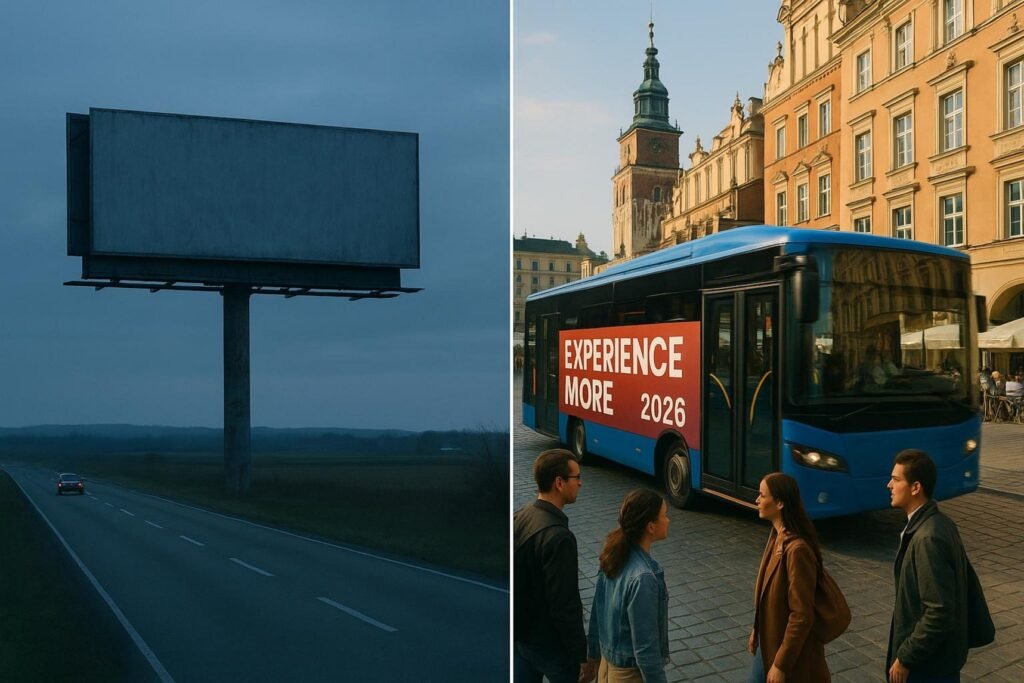
Billboards are fixed and can be very strong in one location. But they only reach people who pass that exact spot. Bus ads move across many areas each day, which gives wider coverage and repeated views across different neighborhoods. Premium billboard locations can be expensive, while bus ads are often more cost-efficient per impression because they deliver reach across multiple places. Bus campaigns also allow route choices and different ad formats, giving more flexibility.
Bus Advertising vs. Metro and Digital Campaigns
Metro ads focus on commuters within stations and metro lines. They can be strong, but only where metro systems exist and only inside that setting. Bus ads are visible across the city streets and reach people who don’t use the metro.
Compared with digital ads, bus ads have a simple advantage: they can’t be skipped or blocked. People see them in real life. Digital campaigns offer detailed targeting and tracking, but bus ads build a strong offline presence that helps people recognize your brand, which can support your online marketing.
Integrating Bus Campaigns with Digital Strategies for Enhanced Reach
Bus advertising works even better when combined with digital. A QR code can send people directly to a landing page, social media, or an app store. This can increase website visits, social engagement, app downloads, and retargeting opportunities. Using both channels together helps brands in Poland build visibility offline and generate action online.
Frequently Asked Questions about Bus Advertising in Poland
Bus advertising often brings practical questions. Here are clear answers to common ones.
How Much Does Bus Advertising Cost on Average?
Costs vary based on the city, route, ad type (full wrap vs. interior), and campaign length. As a rough guide, full wraps in major cities can cost from several thousand to tens of thousands of PLN per month, while smaller interior ads in smaller markets may start from a few hundred PLN per month. Production and installation costs are usually separate. The best way to get accurate pricing is to request a quote based on your goal, location, and format.
How Long Should You Run a Bus Advertising Campaign for Best Results?
For strong visibility and better recall, many campaigns run for at least 12 weeks (about 3 months). This gives time for repeated exposure, which helps people remember the brand. Short campaigns can work for limited-time offers and events, but longer runs usually build better results for general brand awareness.
Can Bus Ads Be Targeted to Specific Polish Neighborhoods or Audiences?
Yes. Bus advertising allows route-based targeting. You can choose lines that pass through certain neighborhoods, business zones, shopping areas, or campus districts. In many cases, route and rider data can help you choose placements that fit your audience.
What Are the Benefits Compared to Other Outdoor or Digital Formats?
Bus ads deliver moving, street-level visibility and repeated exposure throughout the day. Unlike billboards, they cover many areas. Unlike many digital ads, they can’t be blocked or skipped. Bus ads are often cost-friendly for large reach and can work well alongside digital campaigns by strengthening offline recognition.
What Is the Difference Between Full and Partial Bus Wraps?
A full wrap covers almost the entire outside of the bus and gives the strongest impact, but it costs more. A partial wrap covers selected sections (like the side or rear) and usually costs less, while still being very visible. The right choice depends on your budget and how bold you want the campaign to be.
Takeaways for Businesses Seeking Greater Visibility in Poland
As cities in Poland grow and public transport stays central to daily life, transit advertising remains a strong way to be seen. For businesses that want to stand out and build a visible presence, bus advertising is still a reliable option.
Checklist for Launching a Successful Bus Campaign
To help your bus advertising campaign in Poland run smoothly, use this checklist:
- Define Clear Objectives: Decide if the goal is awareness, sales, leads, or event promotion.
- Research Your Audience: Know who you want to reach and where they spend time.
- Select Strategic Routes: Pick routes that match your target areas and demographics.
- Craft Compelling Creative: Keep the message simple, bold, and easy to read fast, with a clear call-to-action.
- Choose the Right Format: Match full wraps, panels, back ads, or interior ads to your budget and goal.
- Plan Duration and Timing: Longer runs build recall; seasonal timing can help for special offers.
- Integrate with Digital: Add QR codes or web addresses to connect offline views to online action.
- Partner with Experts: Work with media planners who know the Polish market and routes.
Key Success Factors and Recommendations
Bus advertising in Poland is becoming more modern. More campaigns now include digital displays, LED panels, and GPS-based tracking to better measure where ads are shown and how routes perform. These tools can help brands adjust plans and target more precisely. There is also more interest in greener materials and inks, since bus advertising uses existing public transport instead of adding new structures.
For companies that want to build trust and visibility, bus advertising works well as an early-step branding tool. People often trust brands they see in large, public formats because they look established. Bus ads give steady, real-world exposure and a strong visual presence that online ads can’t fully replace. With smart planning and clear messaging, businesses in Poland can turn daily travel into a consistent reminder of their brand-seen across the city, day after day.
More Details : Why Most Travel Businesses Lose Bookings Before Hello

12 Best Omegle Alternatives for Random Video Chat and Meeting New People

Dbxbqm Meaning: Why It Appears When You Try to Type YouTube

Immediate Loading Implants: How “Fixed Teeth in 48 Hours” Really Works

How UK Mobile Proxies Help Businesses Test Their Websites

Gen AI in Supply Chain: Using Supply Chain Benchmarks to Improve Performance

What Is the UK Theory Test? How It Works, Cost and Pass Mark

Weather the Storm: Why Totally Branded Umbrellas are the UK’s Most Appreciated Gift

How to Store, Wind, and Travel With Your Automatic Watch Collection Without Damaging It

What Do HubSpot Onboarding Services Include?

AI in Supply Chain: How AI Consulting Services Help Build More Intelligent and Resilient Operations
Immediate Loading Implants: How “Fixed Teeth in 48 Hours” Really Works
How UK Mobile Proxies Help Businesses Test Their Websites
Gen AI in Supply Chain: Using Supply Chain Benchmarks to Improve Performance
12 Best Omegle Alternatives for Random Video Chat and Meeting New People
Dbxbqm Meaning: Why It Appears When You Try to Type YouTube
12 Best Omegle Alternatives for Random Video Chat and Meeting New People
Dbxbqm Meaning: Why It Appears When You Try to Type YouTube
Immediate Loading Implants: How “Fixed Teeth in 48 Hours” Really Works
How UK Mobile Proxies Help Businesses Test Their Websites
Gen AI in Supply Chain: Using Supply Chain Benchmarks to Improve Performance
What Is the UK Theory Test? How It Works, Cost and Pass Mark
Weather the Storm: Why Totally Branded Umbrellas are the UK’s Most Appreciated Gift
How to Store, Wind, and Travel With Your Automatic Watch Collection Without Damaging It
What Do HubSpot Onboarding Services Include?
AI in Supply Chain: How AI Consulting Services Help Build More Intelligent and Resilient Operations
-

 Tech9 months ago
xxx is equal to 2022: A Complete Informative Explanation of a Cubic Equation
-

 Celebrity8 months ago
Izzie Balmer Partner: A Deep Dive into the Relationship with Will Hawley
-

 Entertainment9 months ago
The Artistic World of Gege Akutami: A Mastermind Behind Jujutsu Kaisen
-

 Food5 months ago
Best Sushi Rice Brands: A Complete Guide to Choosing the Right Rice for Sushi