
Tech
Duolingo Leagues: How They Work and Why Millions of Learners Use Them

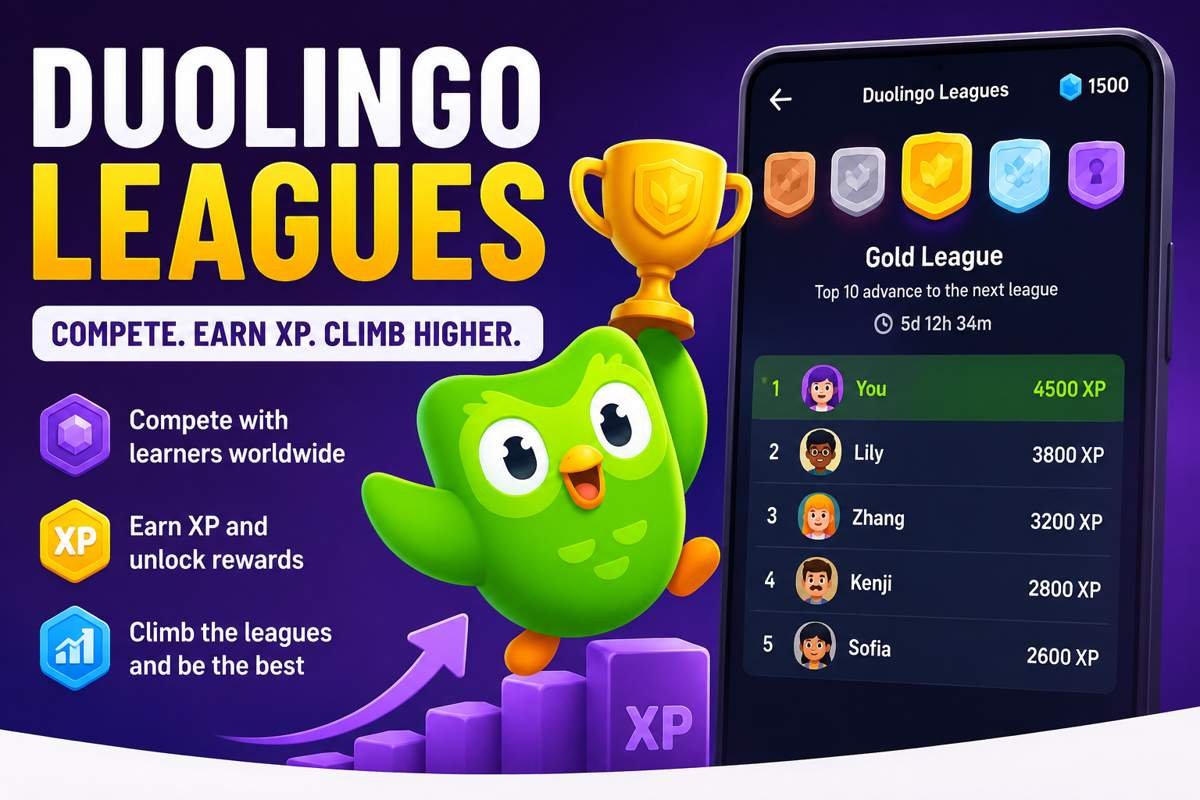
Language learning apps have changed the way people study new languages, and Duolingo is one of the biggest names in this space. One feature that keeps users motivated is the competitive ranking system called Duolingo leagues. These leagues add a social and game-like experience to language learning by allowing users to compete against other learners every week.
For many learners, this feature turns daily practice into a fun challenge. Instead of simply completing lessons, users try to earn enough XP points to move higher on the leaderboard. Some learners use the system to stay consistent, while others enjoy the excitement of reaching the top league.
This article explains how the league system works, the different levels available, the benefits of participating, and useful strategies for improving your ranking without feeling overwhelmed.
What Are Duolingo Leagues?
Duolingo leagues are weekly competitions inside the Duolingo app. Every user who joins is placed into a leaderboard with other learners who have similar activity levels. Players earn XP points by completing lessons, practicing skills, finishing challenges, and participating in special events.
Each week, users compete for promotion to a higher league. At the end of the week, the top-performing learners move up, while the lowest-ranked users may stay in the same league or get demoted.
The system is designed to encourage regular learning habits. Since rankings reset every week, users always have a fresh opportunity to improve.
How the League System Works
The league system starts once a learner earns enough XP to qualify for competition. After joining, the app automatically places the user into a group with around 30 other learners.
Every Monday, a new competition begins. Users earn XP throughout the week, and the leaderboard updates in real time. By Sunday night, the final rankings determine who moves forward.
The higher a user finishes, the greater the reward. Promotions help learners unlock achievements and progress toward more advanced leagues.
Some users prefer casual participation, while others compete aggressively for the top position. The flexibility of the system allows learners to choose their own pace.
The Different League Levels in Duolingo
There are several league tiers in Duolingo, and each one becomes more competitive as learners move higher.
Bronze League
This is the first level for most users. Competition here is usually relaxed, making it a comfortable starting point for beginners.
Silver League
Learners in this level are slightly more active and often complete lessons daily.
Gold League
The Gold League introduces stronger competition. Users often need consistent study habits to secure promotion.
Sapphire League
At this stage, many learners are highly active. XP totals begin increasing quickly throughout the week.
Ruby League
Competition becomes more intense here. Users often combine lessons, stories, and timed challenges to earn extra XP.
Emerald League
This league includes many dedicated learners who study several times each day.
Amethyst League
Amethyst League is known for fast-moving leaderboards and highly motivated participants.
Pearl League
Learners in Pearl League usually have strong daily routines and long learning streaks.
Obsidian League
The Obsidian League is considered one of the toughest stages before the final level.
Diamond League
Diamond League is the highest standard level in the app. Reaching it is a major milestone for many learners. Competition here can become very intense because users from around the world are trying to stay at the top.
Why Duolingo Leagues Are Popular
One reason people enjoy the league system is motivation. Learning a language can take months or even years, so staying consistent is important. Weekly rankings give users a reason to return every day.
The competitive atmosphere also creates excitement. Many learners feel encouraged when they see themselves climbing the leaderboard. Small victories, such as moving into the top 10, can make learning feel rewarding.
Another reason for the popularity is accountability. When users know their position may drop if they stop practicing, they are more likely to continue studying.
The league system also creates a sense of community. Even though learners may never speak directly with each other, they share a common goal and experience.
Benefits of Participating in Leagues
The competitive structure offers several advantages beyond entertainment.
Encourages Daily Practice
Consistency is one of the most important factors in language learning. Since learners need XP to maintain their rank, they often develop stronger study habits.
Makes Learning More Engaging
Gamification helps reduce boredom. Earning points and climbing rankings can make repetitive practice feel more enjoyable.
Builds Motivation
Many users feel inspired when they see measurable progress each week.
Helps Maintain Learning Streaks
Users who participate regularly are more likely to protect their daily streaks because they do not want to lose leaderboard momentum.
Creates Short-Term Goals
Instead of focusing only on long-term fluency, learners can aim for smaller achievements, such as reaching the next league.
Common Criticism of the League System
Although many people enjoy the feature, not everyone views it positively.
Some learners believe competition can become distracting. Instead of focusing on understanding the language, users may rush through lessons just to earn XP.
Others feel pressure to stay active even when they are busy or tired. This can reduce the enjoyment of learning.
There is also criticism regarding fairness. Some users spend hours every day collecting XP, making it difficult for casual learners to compete.
Despite these concerns, many users continue participating because they find the system motivating overall.
Tips for Moving Up the Rankings
Improving your position in the leaderboard does not always require spending hours in the app. Smart strategies and consistency can make a big difference.
Study at the Same Time Daily
Creating a regular routine helps build momentum. Even 15 to 20 minutes of practice every day can improve rankings over time.
Use XP Boosts Wisely
XP boosts can double the points earned during lessons. Activating them during focused study sessions can significantly increase weekly totals.
Complete Stories and Challenges
Stories, speaking exercises, and timed challenges often provide faster XP than standard lessons.
Focus on Accuracy
Rushing through exercises may lead to mistakes. Accurate answers help maintain progress and improve language understanding.
Avoid Burnout
It is easy to become overly competitive. Taking breaks and learning at a healthy pace is more sustainable in the long run.
The Psychology Behind Competitive Learning
The success of the league system is closely connected to psychology. Humans naturally respond to rewards, rankings, and achievement systems.
When users earn XP or rise in rankings, the brain receives a sense of accomplishment. This positive feeling encourages continued participation.
Leaderboards also create social comparison. Seeing other learners progress can inspire users to work harder.
However, balance is important. Healthy competition can improve consistency, but excessive pressure may reduce motivation over time.
How Leagues Affect Language Progress
For some learners, leagues create discipline and help maintain regular study habits. Frequent practice improves vocabulary retention and listening skills.
However, success in rankings does not always equal language fluency. A learner with high XP may still struggle with conversation if they focus only on speed-based exercises.
The most effective approach combines league participation with meaningful learning methods. Reading, speaking practice, listening exercises, and grammar review remain essential.
Using the app as part of a broader study routine can lead to stronger long-term results.
Strategies for Casual Learners
Not everyone wants to spend hours competing every week. Casual learners can still enjoy the feature without stress.
One simple strategy is to focus on maintaining a comfortable rank rather than chasing first place.
Another helpful method is setting personal learning goals instead of comparing progress with others.
Learners should also remember that consistency matters more than leaderboard position. Even small daily lessons can lead to noticeable improvement over time.
Can You Disable League Competition?
Yes, some users prefer a quieter learning experience without weekly competition. Duolingo allows users to make their profile private, which removes them from public leaderboards.
This option can help learners focus entirely on studying rather than rankings.
For many people, removing competition reduces pressure and creates a calmer learning environment.
The Future of Competitive Learning Apps
Gamified education continues growing in popularity. Features like achievements, streaks, and rankings are now common in many educational apps.
The success of Duolingo shows that people often learn more consistently when lessons feel interactive and rewarding.
Future updates may include more personalized challenges, team-based competitions, or additional social features.
As technology improves, educational apps will likely continue blending entertainment with learning.
Conclusion
Duolingo leagues have become one of the most recognized features in language learning apps. By combining competition, rewards, and weekly goals, the system encourages millions of learners to stay active.
For some users, the leaderboard provides motivation and structure. For others, it simply adds fun to the learning process.
While rankings can sometimes become stressful, the feature remains effective for building consistency. The best results come when learners focus not only on XP but also on genuine language improvement.
Whether someone aims for the Diamond League or simply wants daily motivation, the system offers a unique way to stay engaged while learning a new language.
More Details : Best Apps for Reading: The Ultimate Guide for 2026
FAQs
1. What are Duolingo leagues?
Duolingo leagues are weekly competitions where users earn XP points and compete against other learners on a leaderboard.
2. How many leagues are there in Duolingo?
There are 10 main leagues, starting from Bronze League and ending with Diamond League.
3. Can I leave league competitions?
Yes, users can make their profile private, which removes them from public leaderboards.
4. Do leagues help with language learning?
They can improve consistency and motivation, but real progress also requires meaningful study and practice.
5. What is the highest league in Duolingo?
The Diamond League is the highest standard league available in the app.

12 Best Omegle Alternatives for Random Video Chat and Meeting New People

Dbxbqm Meaning: Why It Appears When You Try to Type YouTube

Immediate Loading Implants: How “Fixed Teeth in 48 Hours” Really Works

How UK Mobile Proxies Help Businesses Test Their Websites

Gen AI in Supply Chain: Using Supply Chain Benchmarks to Improve Performance

What Is the UK Theory Test? How It Works, Cost and Pass Mark

Weather the Storm: Why Totally Branded Umbrellas are the UK’s Most Appreciated Gift

How to Store, Wind, and Travel With Your Automatic Watch Collection Without Damaging It

What Do HubSpot Onboarding Services Include?

AI in Supply Chain: How AI Consulting Services Help Build More Intelligent and Resilient Operations
Immediate Loading Implants: How “Fixed Teeth in 48 Hours” Really Works
How UK Mobile Proxies Help Businesses Test Their Websites
Gen AI in Supply Chain: Using Supply Chain Benchmarks to Improve Performance
12 Best Omegle Alternatives for Random Video Chat and Meeting New People
Dbxbqm Meaning: Why It Appears When You Try to Type YouTube
12 Best Omegle Alternatives for Random Video Chat and Meeting New People
Dbxbqm Meaning: Why It Appears When You Try to Type YouTube
Immediate Loading Implants: How “Fixed Teeth in 48 Hours” Really Works
How UK Mobile Proxies Help Businesses Test Their Websites
Gen AI in Supply Chain: Using Supply Chain Benchmarks to Improve Performance
What Is the UK Theory Test? How It Works, Cost and Pass Mark
Weather the Storm: Why Totally Branded Umbrellas are the UK’s Most Appreciated Gift
How to Store, Wind, and Travel With Your Automatic Watch Collection Without Damaging It
What Do HubSpot Onboarding Services Include?
AI in Supply Chain: How AI Consulting Services Help Build More Intelligent and Resilient Operations
-

 Tech9 months ago
xxx is equal to 2022: A Complete Informative Explanation of a Cubic Equation
-

 Celebrity8 months ago
Izzie Balmer Partner: A Deep Dive into the Relationship with Will Hawley
-

 Entertainment9 months ago
The Artistic World of Gege Akutami: A Mastermind Behind Jujutsu Kaisen
-

 Food5 months ago
Best Sushi Rice Brands: A Complete Guide to Choosing the Right Rice for Sushi