
Tech
Improving Fleet Safety With Dash Cams

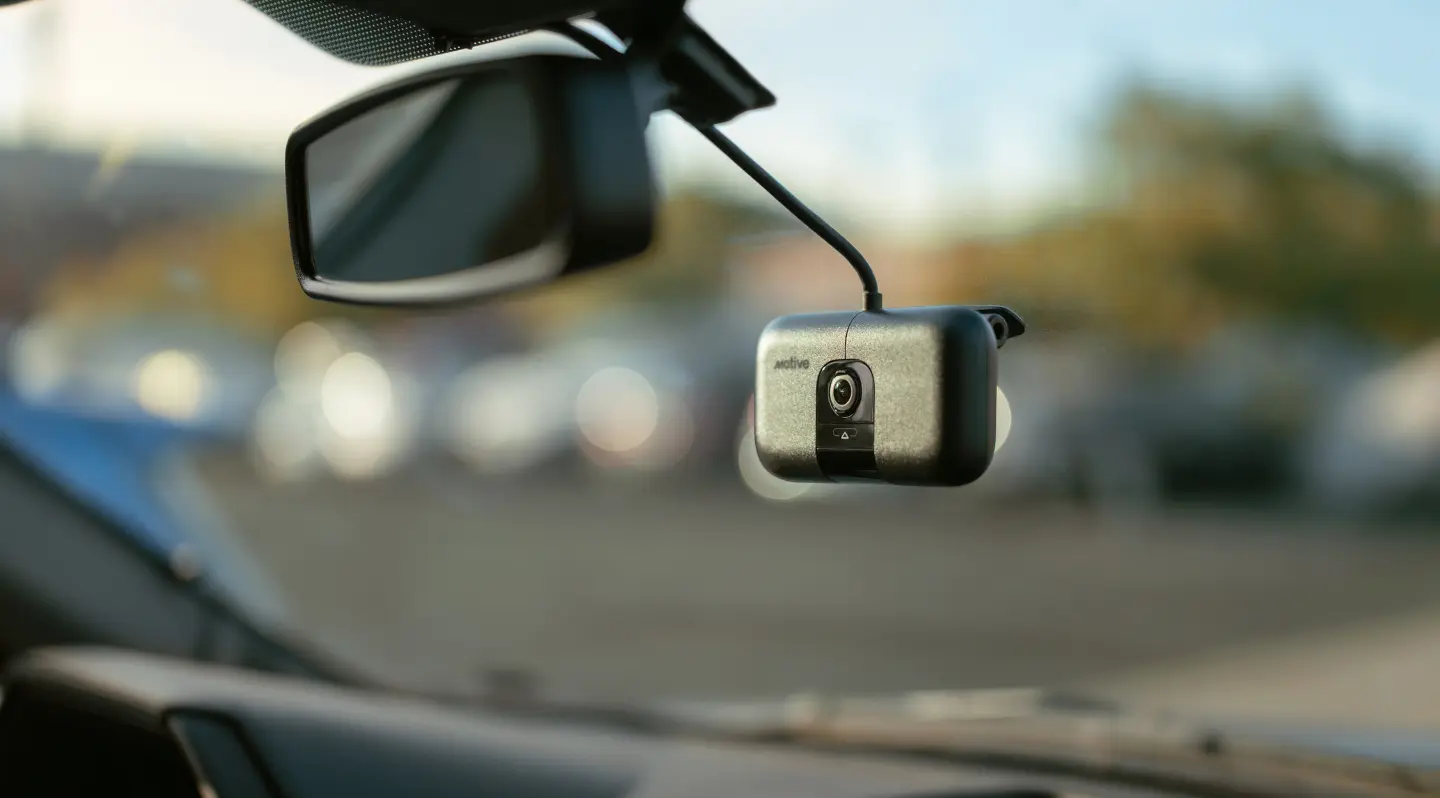
When you manage a fleet, safety isn’t an abstract policy tucked into a binder. Safety is you watching the weather roll in while drivers are still on the road. It’s you noticing a tired tone in a dispatcher’s voice. It’s you getting that late-night call no one ever wants—an incident, an argument, a claim, a “he said, she said” mess that can swallow weeks of time and thousands of dollars.
And that’s exactly where a dash cam can change the story.
Not because technology magically fixes people. But because it brings clarity. It reduces guesswork. It can protect good drivers and expose risky patterns before they turn into something far worse. If you care about your drivers, your customers, and your business—this guide is for you.
Why a dash cam changes the entire safety conversation
Fleet safety often breaks down in one painful place: uncertainty. Without reliable footage, you’re left stitching together timelines from phone calls, partial memories, and paperwork that never quite agrees.
A dash cam replaces “maybe” with “here’s what happened.”
You get a clearer view of risky behaviors: hard braking, tailgating, rolling stops, distracted driving. You also get proof when your driver did everything right. That matters—emotionally and financially. Because when a safe driver gets blamed, it doesn’t just hurt the company. It hurts pride. It hurts trust. It can make a strong employee quietly start checking job boards.
And speaking of trust—there’s a word that always comes up when change hits a fleet: integrate. Years ago, a manager tried to “integrate” a new tool into operations, but nothing worked because training was an afterthought. Drivers felt blindsided. Dispatch felt burdened. The tool became a symbol of frustration, not safety. The lesson is simple: YOU don’t just install a device. You integrate a system—into your culture, your coaching, and your daily rhythm.
Choosing the right dash camera for fleet reality (not marketing fantasy)
A dash camera is not one-size-fits-all. The right setup depends on your routes, risk profile, and what you need to learn—not what a brochure promises.
Here’s what to prioritize:
– Video quality that holds up under pressure
If a license plate turns into a blur at speed or at night, footage loses value fast. Look for strong low-light performance and wide dynamic range.
– Reliable storage and retrieval
Footage that’s hard to access is footage you won’t use. Cloud upload, automatic event tagging, and fast search tools matter more than extra bells and whistles.
– Event detection that’s accurate
Harsh braking alerts can help—unless they fire constantly for normal driving. Too many false flags lead to alert fatigue, and you’ll see teams start ignoring the system.
– Privacy controls and clear policy tools
Drivers deserve clarity. When do recordings happen? Who can view them? How long is data kept? When you set boundaries, you reduce fear and increase cooperation.
– Scalability for growth
A system that works for 10 vehicles can collapse at 200 if the admin tools are weak. Choose with tomorrow in mind.
Now, a quick memory about the word adverb—because it sounds unrelated, yet it fits perfectly. In a safety meeting once, a supervisor asked a driver to describe how the incident happened. The driver kept replying with adverbs: “It happened *suddenly*. The car stopped *unexpectedly*. I reacted *instinctively*.” Those words were honest… and still vague. A camera doesn’t replace a human account, but it anchors it. It turns “suddenly” into a timeline. It turns “unexpectedly” into distance, speed, and context. You get something solid to coach from.
Using dash cam footage for coaching that drivers actually accept
A system fails when it becomes a “gotcha.” A system succeeds when it becomes a mirror—one that helps people improve without humiliation.
If you want results, treat footage like a coaching tool, not a courtroom exhibit.
1) Start with what went right
Even in a rough clip, there’s often something good: hands on the wheel, a checked mirror, a controlled stop. Mention that first. Drivers relax. They listen.
2) Coach behaviors, not personalities
“You were following too closely” lands better than “You’re careless.” You’re building habits, not labeling people.
3) Keep sessions short and consistent
Five minutes after a flagged event beats an hour-long lecture once a quarter. Safety grows through repetition.
4) Use patterns, not isolated moments
One harsh brake might be traffic. Five harsh brakes in similar situations? That’s a training opportunity—route planning, spacing, speed control.
5) Invite the driver’s perspective
Ask: “What do you think was happening here?” When you let drivers explain, you often uncover real problems—bad delivery windows, unrealistic dispatch timing, confusing customer yards.
A dash cam can either build trust or destroy it. The difference is how you use it.
Reducing claims, disputes, and the “he said, she said” spiral
Accidents are stressful. Claims are worse. And false claims? Those can feel personal—like your fleet is being used as a punching bag for someone else’s payday.
Video evidence changes that dynamic.
It can help:
– Resolve collisions faster
– Clarify liability
– Challenge fraudulent accusations
– Support insurance conversations
– Protect drivers from unfair blame
And here’s where the word grievous belongs—because sometimes incidents aren’t just inconvenient. They’re grievous. A serious injury. A life-changing moment. A family waiting for news. One safety director once described the quiet after a grievous crash: no one joked in the break room, phones rang softer, and every driver checked their mirrors like they were seeing the road for the first time. That kind of event reshapes a company. It also reminds you why prevention is sacred. If video-based coaching prevents one tragedy, the value can’t be measured only in dollars.
Rolling out a dash camera program without losing your people
Even the best technology can trigger resistance if people feel watched rather than supported. So the rollout matters.
Use this practical approach:
– Explain the “why” in plain language
“We want to protect you from false claims and help everyone get home safe.” Keep it human. Keep it real.
– Share who can access footage
Limit access. Define roles. Log views. Trust grows when boundaries are visible.
– Train supervisors on respectful coaching
A careless manager can turn footage into shame. You want supervisors who can teach, not punish.
– Pilot the program first
Pick a small group. Get feedback. Fix issues before scaling.
– Celebrate improvements publicly
Track reduced harsh events, fewer near-misses, cleaner inspections. Recognize drivers. Show that the system rewards professionalism.
One more key: don’t let metrics become a weapon. When numbers become threats, drivers hide problems. When numbers become guidance, drivers improve.

12 Best Omegle Alternatives for Random Video Chat and Meeting New People

Dbxbqm Meaning: Why It Appears When You Try to Type YouTube

Immediate Loading Implants: How “Fixed Teeth in 48 Hours” Really Works

How UK Mobile Proxies Help Businesses Test Their Websites

Gen AI in Supply Chain: Using Supply Chain Benchmarks to Improve Performance

What Is the UK Theory Test? How It Works, Cost and Pass Mark

Weather the Storm: Why Totally Branded Umbrellas are the UK’s Most Appreciated Gift

How to Store, Wind, and Travel With Your Automatic Watch Collection Without Damaging It

What Do HubSpot Onboarding Services Include?

AI in Supply Chain: How AI Consulting Services Help Build More Intelligent and Resilient Operations
Immediate Loading Implants: How “Fixed Teeth in 48 Hours” Really Works
How UK Mobile Proxies Help Businesses Test Their Websites
12 Best Omegle Alternatives for Random Video Chat and Meeting New People
Dbxbqm Meaning: Why It Appears When You Try to Type YouTube
12 Best Omegle Alternatives for Random Video Chat and Meeting New People
Dbxbqm Meaning: Why It Appears When You Try to Type YouTube
Immediate Loading Implants: How “Fixed Teeth in 48 Hours” Really Works
How UK Mobile Proxies Help Businesses Test Their Websites
Gen AI in Supply Chain: Using Supply Chain Benchmarks to Improve Performance
What Is the UK Theory Test? How It Works, Cost and Pass Mark
Weather the Storm: Why Totally Branded Umbrellas are the UK’s Most Appreciated Gift
How to Store, Wind, and Travel With Your Automatic Watch Collection Without Damaging It
What Do HubSpot Onboarding Services Include?
AI in Supply Chain: How AI Consulting Services Help Build More Intelligent and Resilient Operations
-

 Tech9 months ago
xxx is equal to 2022: A Complete Informative Explanation of a Cubic Equation
-

 Celebrity9 months ago
Izzie Balmer Partner: A Deep Dive into the Relationship with Will Hawley
-

 Entertainment9 months ago
The Artistic World of Gege Akutami: A Mastermind Behind Jujutsu Kaisen
-

 Food6 months ago
Best Sushi Rice Brands: A Complete Guide to Choosing the Right Rice for Sushi