
Lifestyle
Best Pillow for Side Sleepers: A Complete Guide to Better Sleep and Proper Support

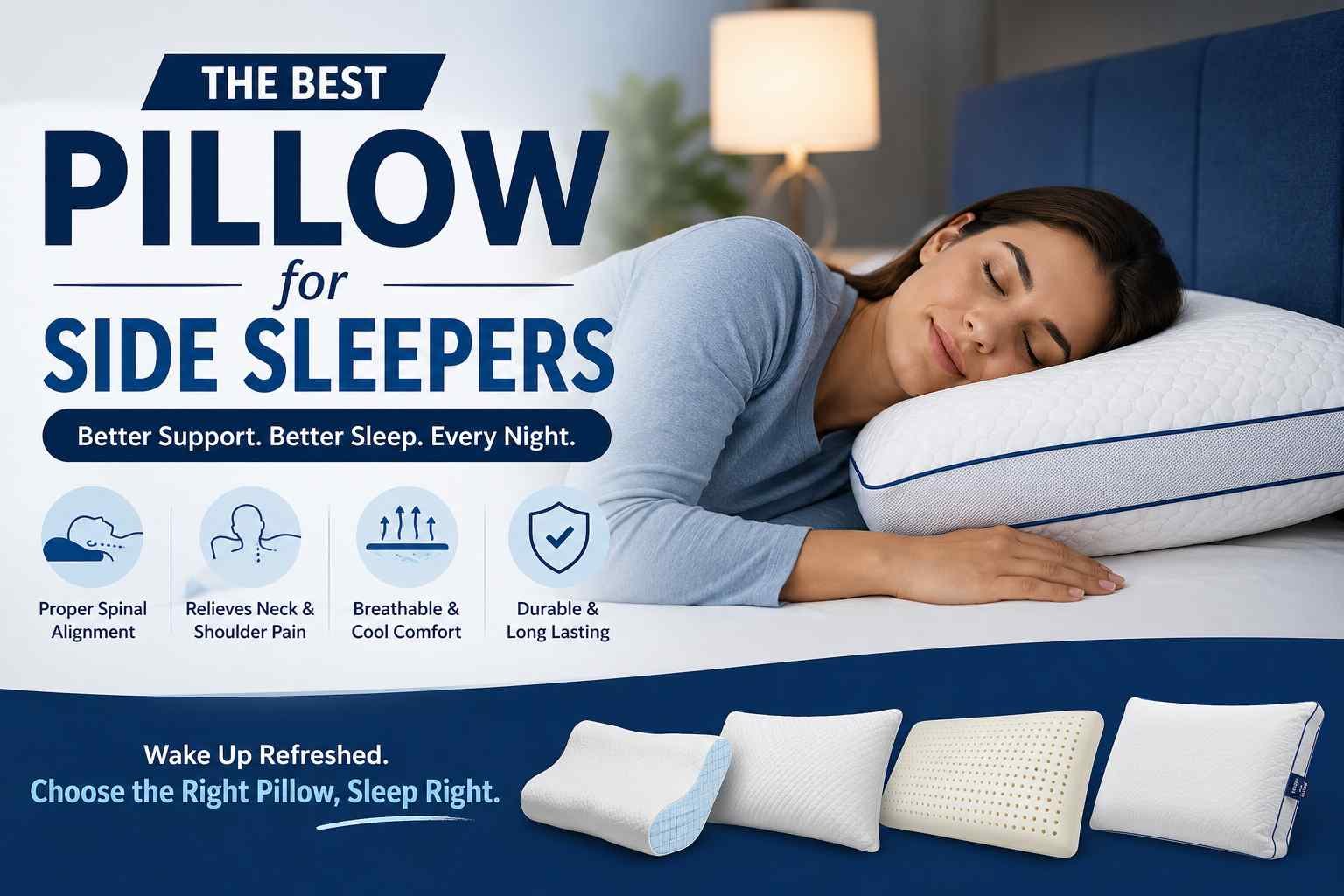
Finding the best pillow for side sleepers can make a significant difference in sleep quality, comfort, and overall health. Side sleeping is one of the most popular sleep positions because it can help reduce snoring, improve spinal alignment, and support healthy breathing. However, sleeping on your side also places extra pressure on the shoulders, neck, and hips. Without the right pillow, you may wake up with neck stiffness, shoulder pain, headaches, or poor sleep quality.
A pillow designed for side sleeping helps fill the gap between the head and mattress, keeping the neck and spine in a neutral position throughout the night. This guide explains what side sleepers should look for in a pillow, which materials perform best, and how to choose the right option based on personal needs.
Why Side Sleepers Need a Specialized Pillow
Side sleepers have unique support requirements compared to back or stomach sleepers. When lying on the side, the distance between the head and mattress is greater because of the shoulder width. A pillow that is too flat allows the head to tilt downward, while a pillow that is too thick pushes the head upward.
Both situations can strain the neck muscles and affect spinal alignment. A properly designed pillow fills this space and keeps the head level with the spine. This support reduces pressure points and helps maintain a comfortable sleeping posture throughout the night.
The Importance of Proper Spinal Alignment
One of the primary goals of a good pillow is maintaining spinal alignment. When the head, neck, and spine remain aligned, muscles can relax and recover during sleep.
Poor alignment often leads to:
- Neck pain
- Shoulder discomfort
- Morning headaches
- Upper back tension
- Interrupted sleep
A supportive pillow keeps the neck in a neutral position, allowing the body to rest naturally. This is especially important for people who spend long hours working at desks or using electronic devices, as their neck muscles may already be under stress during the day.
Key Features to Look for in a Side Sleeper Pillow
Loft Height
Loft refers to the height or thickness of a pillow. Side sleepers generally benefit from medium to high loft pillows because they need enough height to support the gap between the shoulder and head.
People with broader shoulders typically need a higher loft, while those with narrower shoulders may feel more comfortable with a medium loft pillow.
Firmness Level
Firmness plays a major role in maintaining support throughout the night. A pillow that is too soft may collapse under the weight of the head, while an overly firm pillow may create uncomfortable pressure points.
Most side sleepers find that medium-firm to firm pillows provide the best balance between comfort and support.
Shape Retention
A quality pillow should maintain its shape over time. If a pillow flattens quickly, it can no longer provide adequate support.
Materials with strong shape retention help ensure consistent neck support night after night and often last longer than traditional pillows.
Breathability
Temperature regulation is another important factor. Side sleepers often press one side of their face directly into the pillow, which can trap heat.
Breathable materials and cooling designs help improve airflow, keeping the sleeping surface cooler and more comfortable throughout the night.
Memory Foam Pillows for Side Sleepers
Memory foam is one of the most popular materials for side sleepers because it contours to the shape of the head and neck.
Benefits of memory foam include:
- Excellent pressure relief
- Strong neck support
- Good durability
- Consistent shape retention
Memory foam pillows can be solid or shredded. Solid memory foam offers structured support, while shredded memory foam allows for better airflow and adjustable comfort.
Many people searching for the best pillow for side sleepers choose memory foam because of its ability to maintain alignment while reducing pressure on sensitive areas.
Latex Pillows and Their Benefits
Latex pillows are known for their responsiveness and durability. Unlike memory foam, latex quickly returns to its original shape after pressure is removed.
Advantages of latex pillows include:
- Natural support
- Excellent airflow
- Long lifespan
- Resistance to flattening
Latex also provides a slightly bouncy feel, which some sleepers prefer over the slower contouring effect of memory foam.
For individuals seeking a combination of support and cooling performance, latex is often an excellent option.
Down and Down Alternative Pillows
Down pillows are made from the soft under-feathers of ducks or geese. They are lightweight, soft, and luxurious.
However, side sleepers should be cautious because traditional down pillows may compress too much during the night.
Down alternative pillows offer a similar softness while often providing better support. Some models feature reinforced chambers or adjustable filling to maintain adequate loft for side sleeping.
These pillows can work well for people who prefer a softer sleeping surface without sacrificing too much support.
Adjustable Pillows for Personalized Comfort
Adjustable pillows have become increasingly popular because they allow users to add or remove filling to achieve the desired height and firmness.
Benefits include:
- Customizable support
- Better spinal alignment
- Adaptability for different body types
- Longer usability
Because shoulder width and sleeping preferences vary greatly among individuals, adjustable designs can be an effective solution for finding the perfect fit.
How Shoulder Width Affects Pillow Choice
Shoulder width significantly influences the type of pillow a side sleeper should choose.
People with broader shoulders generally need:
- Higher loft
- Firmer support
- Greater structural stability
People with narrower shoulders may prefer:
- Medium loft
- Moderate firmness
- Softer contouring materials
Selecting a pillow that matches body proportions helps reduce strain on the neck and shoulders.
Cooling Features That Improve Sleep
Many side sleepers struggle with overheating during the night. Modern pillow designs often incorporate cooling technologies to address this issue.
Popular cooling features include:
- Gel-infused foam
- Ventilated foam construction
- Breathable covers
- Moisture-wicking fabrics
- Open-cell foam technology
These features improve airflow and help maintain a comfortable sleeping temperature, especially during warmer months.
Signs That Your Pillow Needs Replacement
Even high-quality pillows eventually wear out and lose their effectiveness.
Common signs include:
- Visible flattening
- Loss of support
- Persistent neck pain
- Lumps or uneven filling
- Difficulty getting comfortable
Most pillows should be replaced every one to three years, depending on material quality and usage.
Regular replacement ensures consistent support and promotes healthier sleep habits.
Common Mistakes Side Sleepers Make
Using a Pillow That Is Too Flat
A flat pillow often fails to support the neck properly, causing the head to tilt downward and creating strain.
Choosing Soft Pillows Without Support
Softness can feel comfortable initially, but insufficient support may lead to discomfort over time.
Ignoring Mattress Compatibility
The ideal pillow also depends on mattress firmness. Softer mattresses allow the body to sink deeper, which may require a lower loft pillow. Firmer mattresses often require higher loft support.
Keeping Old Pillows Too Long
Worn-out pillows lose their ability to support proper alignment and should be replaced when performance declines.
How to Maintain Your Pillow
Proper maintenance can extend the life of your pillow and improve hygiene.
Helpful practices include:
- Using a pillow protector
- Washing covers regularly
- Following manufacturer cleaning instructions
- Fluffing pillows when appropriate
- Replacing pillows when support decreases
Clean and well-maintained pillows contribute to a healthier sleep environment.
Choosing the Best Pillow Based on Personal Needs
The ideal pillow varies from person to person. Factors to consider include:
- Body size
- Shoulder width
- Preferred firmness
- Sleep temperature
- Allergy concerns
- Budget
A pillow that works perfectly for one individual may not be suitable for another. Evaluating these factors carefully helps narrow down the most appropriate option.
When searching for the best pillow for side sleepers, focus on support, loft, durability, and comfort rather than marketing claims alone.
Conclusion
Selecting the best pillow for side sleepers is one of the most effective ways to improve sleep quality and reduce neck and shoulder discomfort. The right pillow maintains proper spinal alignment, supports the natural curve of the neck, and helps distribute pressure evenly throughout the night.
Whether you prefer memory foam, latex, down alternative, or an adjustable design, the key is finding a pillow that matches your body shape and sleeping preferences. Investing in proper support can lead to better rest, fewer aches, and improved overall well-being.
A well-chosen pillow is more than a bedding accessory—it is an essential tool for healthier, more comfortable sleep every night.
More Details : 7 Easy Ways to Improve Your Wellness Routine
FAQs
1. What is the ideal pillow height for side sleepers?
Most side sleepers benefit from a medium to high loft pillow that fills the space between the head and shoulder while keeping the spine aligned.
2. Is memory foam good for side sleepers?
Yes, memory foam provides excellent contouring, pressure relief, and neck support, making it a popular choice for side sleepers.
3. How often should side sleepers replace their pillow?
Most pillows should be replaced every one to three years, depending on the material and how well they maintain support.
4. Are cooling pillows worth it for side sleepers?
Cooling pillows can help regulate temperature, improve comfort, and reduce overheating during sleep.
5. Can the wrong pillow cause neck pain?
Yes, a pillow that is too flat, too thick, or lacks support can lead to poor spinal alignment and contribute to neck pain.

12 Best Omegle Alternatives for Random Video Chat and Meeting New People

Dbxbqm Meaning: Why It Appears When You Try to Type YouTube

Immediate Loading Implants: How “Fixed Teeth in 48 Hours” Really Works

How UK Mobile Proxies Help Businesses Test Their Websites

Gen AI in Supply Chain: Using Supply Chain Benchmarks to Improve Performance

What Is the UK Theory Test? How It Works, Cost and Pass Mark

Weather the Storm: Why Totally Branded Umbrellas are the UK’s Most Appreciated Gift

How to Store, Wind, and Travel With Your Automatic Watch Collection Without Damaging It

What Do HubSpot Onboarding Services Include?

AI in Supply Chain: How AI Consulting Services Help Build More Intelligent and Resilient Operations
Immediate Loading Implants: How “Fixed Teeth in 48 Hours” Really Works
How UK Mobile Proxies Help Businesses Test Their Websites
Gen AI in Supply Chain: Using Supply Chain Benchmarks to Improve Performance
12 Best Omegle Alternatives for Random Video Chat and Meeting New People
Dbxbqm Meaning: Why It Appears When You Try to Type YouTube
12 Best Omegle Alternatives for Random Video Chat and Meeting New People
Dbxbqm Meaning: Why It Appears When You Try to Type YouTube
Immediate Loading Implants: How “Fixed Teeth in 48 Hours” Really Works
How UK Mobile Proxies Help Businesses Test Their Websites
Gen AI in Supply Chain: Using Supply Chain Benchmarks to Improve Performance
What Is the UK Theory Test? How It Works, Cost and Pass Mark
Weather the Storm: Why Totally Branded Umbrellas are the UK’s Most Appreciated Gift
How to Store, Wind, and Travel With Your Automatic Watch Collection Without Damaging It
What Do HubSpot Onboarding Services Include?
AI in Supply Chain: How AI Consulting Services Help Build More Intelligent and Resilient Operations
-

 Tech9 months ago
xxx is equal to 2022: A Complete Informative Explanation of a Cubic Equation
-

 Celebrity8 months ago
Izzie Balmer Partner: A Deep Dive into the Relationship with Will Hawley
-

 Entertainment9 months ago
The Artistic World of Gege Akutami: A Mastermind Behind Jujutsu Kaisen
-

 Food5 months ago
Best Sushi Rice Brands: A Complete Guide to Choosing the Right Rice for Sushi