
Pet
Meaningful Ways to Memorialise a Beloved Pet After Loss

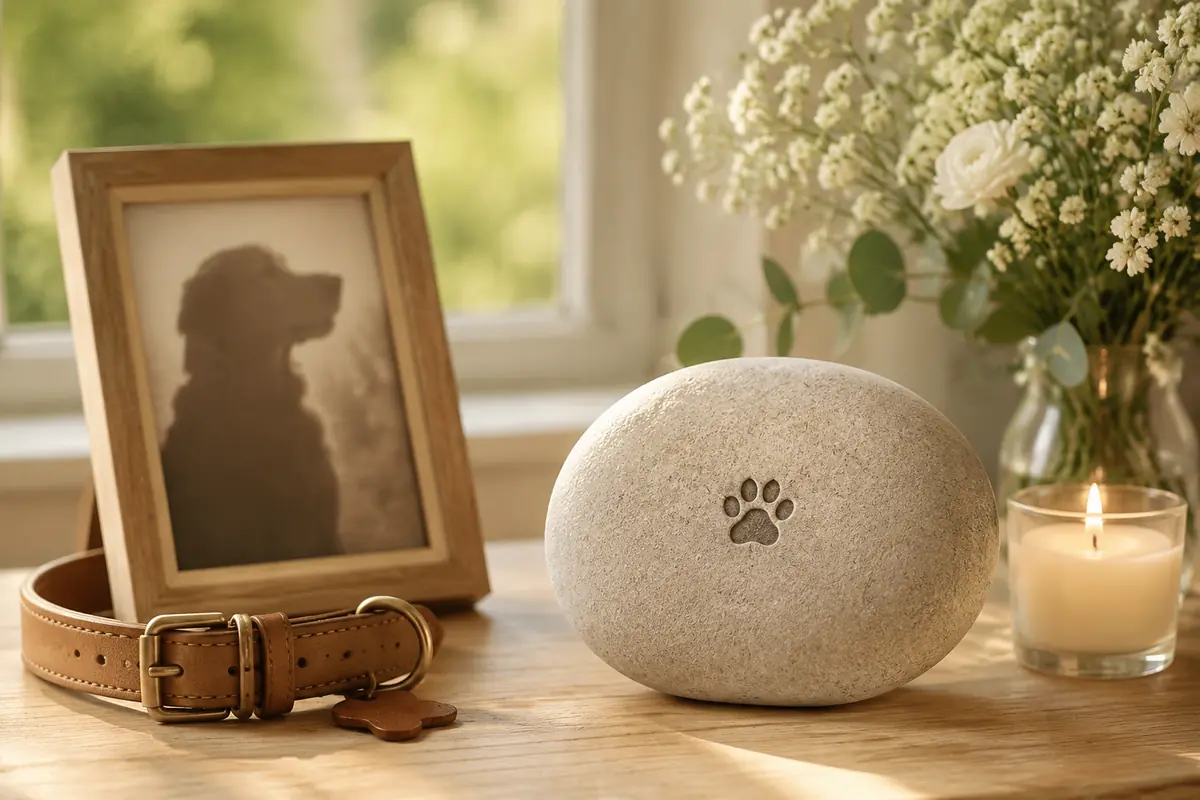
Losing a pet can leave a silence that is difficult to explain. Their bowl may still be in the kitchen, their favourite toy may remain by the sofa, and familiar routines suddenly feel incomplete. Creating a personal memorial can provide a gentle way to honour that bond. Families exploring handcrafted remembrance keepsakes can visit https://www.spogads.com/, while those seeking a lasting memorial made from their companion’s ashes may consider a personalised pet cremation stone.
A pet memorial is not intended to remove grief or replace the companion who has passed away. Instead, it creates a physical reminder of the happiness, loyalty, and comfort the animal brought into everyday life. From a quiet remembrance corner at home to a tree planted in a favourite outdoor space, the right tribute should reflect the pet’s unique personality and the relationship shared with them.
Why Pet Memorials Can Be Meaningful
Pets become closely connected to family routines. They welcome people home, provide comfort during difficult moments, and often remain beside their owners through major stages of life. When they pass away, the absence affects both the home and the people living in it.
A memorial offers somewhere for those memories to settle. It can turn grief into an act of love by giving the family a meaningful object, place, or tradition through which they can remember their companion.
People experience loss differently, so there is no single correct way to create a tribute. Some prefer something discreet that can sit on a shelf, while others feel more comfortable establishing an outdoor memorial. The most suitable choice is one that feels emotionally honest and brings comfort rather than pressure.
Create a Remembrance Corner at Home
A remembrance corner is a small, dedicated space containing items associated with a pet. It does not need to occupy an entire room or attract attention. A shelf, side table, windowsill, or quiet area near the pet’s favourite resting place may be enough.
Items that can be included in this space include:
- A framed photograph of the pet
- A collar, name tag, or favourite toy
- A candle or small decorative light
- A handwritten note or favourite memory
- A paw-print impression
- A memorial stone or personalised keepsake
- A small plant or vase of flowers
Choose objects carefully instead of filling the area immediately. One photograph and a meaningful keepsake can sometimes communicate more than a large collection. The display can also be changed over time as grief becomes less immediate and happier memories begin to feel easier to revisit.
Consider a Memorial Made from Ashes
Following cremation, some owners keep their pet’s ashes in a traditional urn, while others scatter them in a meaningful location. Another option is to incorporate the ashes into a handcrafted remembrance item.
A cremation stone transforms the ashes into a solid memorial that can be displayed at home. Depending on its design, it may include the pet’s name, years of life, a short message, or an engraved outline based on a photograph. Colours and other design details may also be selected to reflect the animal’s appearance or personality.
This type of memorial can suit people who want to keep their pet’s remains close but do not feel connected to a conventional urn. Its compact design allows it to be placed naturally alongside photographs and other personal belongings.
Before choosing any ash-based keepsake, owners should understand:
- How the ashes will be collected and transported
- Whether all or only part of the ashes will be used
- How long the creation process normally takes
- Which colours, sizes, and engravings are available
- How the finished memorial should be cleaned and stored
- Whether the maker offers a guarantee or restoration service
Asking these questions can make the process feel clearer and reduce uncertainty during an already emotional period.
Plant Something in Their Memory
Plants can provide a living connection to a pet’s memory. A tree, flowering shrub, or indoor plant changes with time and can become part of an ongoing remembrance ritual.
When selecting an outdoor plant, consider the local climate, available space, and the amount of maintenance required. A hardy native tree may be more suitable than a delicate species that needs constant care. Apartment residents can choose a manageable indoor plant or a container garden for a balcony.
The plant can be paired with a small plaque, painted stone, or marker displaying the pet’s name. Some families also place a bench nearby, creating a peaceful space where they can sit and remember their companion.
However, ashes should not be added directly to soil without proper guidance. Cremated remains can affect soil conditions, so owners should consult a local horticultural professional or use a specially prepared planting mixture if they want ashes to form part of the memorial.
Make a Personal Memory Book
Photographs often capture small details that can fade from memory: an unusual sleeping position, a favourite walking route, or the expression a pet made when waiting for a treat. A memory book gathers these moments into one place.
It can include photographs, adoption records, training certificates, paw prints, drawings, and written memories from different family members. Children may wish to add a letter or picture explaining what they loved most about the pet.
A digital version is equally meaningful. Families can create a private album containing videos, voice recordings, and scanned photographs. Digital copies are also useful for preserving older images that may become damaged over time.
Rather than arranging everything chronologically, consider dividing the book into themes such as:
- First days at home
- Favourite places and walks
- Funny habits
- Family celebrations
- Quiet everyday moments
- Lessons the pet taught the family
This approach creates a fuller picture of the animal’s life and personality.
Keep a Favourite Routine Alive
Not every memorial needs to be a physical object. Continuing a routine associated with a pet can be a powerful way to honour them.
Someone who took a dog on the same woodland walk each weekend might continue visiting that trail occasionally. A family whose cat always sat beside them in the garden may spend a few quiet minutes there on special dates.
The routine can also be adapted into something positive for other animals. For example, a former daily walk might become time spent volunteering at a rescue centre. The money previously used for treats could be placed in a small annual donation fund.
These actions allow the relationship to influence future choices without pretending that life has remained unchanged.
Support an Animal Charity
Donating or volunteering in a pet’s name can extend their memory beyond the household. Local shelters and rescue organisations often need food, bedding, cleaning products, transport assistance, and foster homes.
Before donating, contact the organisation and ask which supplies are most useful. Shelters may receive plenty of one item while urgently needing another. A targeted contribution is usually more valuable than sending products without checking first.
Possible acts of remembrance include:
- Sponsoring an animal awaiting adoption
- Donating food or veterinary supplies
- Paying an adoption fee for another family
- Volunteering at a rescue centre
- Organising a small fundraising walk
- Giving blankets, carriers, or unused pet equipment
- Supporting a veterinary hardship fund
The tribute does not need to be large. A modest, thoughtful action can still reflect the affection and care a pet inspired.
Involve the Whole Family
Every family member may respond differently to the loss. One person might want to discuss the pet frequently, while another may need privacy. Children can find the change especially confusing because the pet may have been present throughout most of their lives.
Allow each person to contribute to the memorial in a way that feels comfortable. One may choose the photograph, another may write the inscription, and someone else may select the memorial’s location.
Avoid forcing anyone to take part before they are ready. Participation should feel supportive rather than obligatory. The memorial can also evolve; additional photographs, notes, or objects may be added months or even years later.
Choose an Inscription with Care
A short inscription can make a memorial deeply personal. It may include the pet’s name and life dates, but it can also feature a phrase connected to their personality.
Suitable ideas include:
- Forever part of our family
- Loved beyond words
- Always beside us
- Our faithful friend
- Small paws, lasting memories
- You made our house a home
Before confirming the engraving, check the spelling, punctuation, and dates carefully. If several family members are involved, ask everyone to review the final wording. A simple message is often more powerful and remains easier to read on a small keepsake.
Give Yourself Time to Decide
There is no deadline for creating a pet memorial. Decisions made immediately after a loss can feel overwhelming, particularly when a family must also arrange cremation or burial.
It is acceptable to store photographs and belongings safely until the right idea becomes clear. Some people know immediately what they want, while others wait several months before selecting a keepsake or memorial location.
Taking time also allows practical considerations to be addressed. Families can compare materials, understand how ashes will be handled, review personalisation options, and choose a design they will remain comfortable displaying for years.
Caring for a Memorial Keepsake
Once a memorial has been created, simple care can help preserve it. Place delicate items away from unstable shelves, damp areas, and strong direct sunlight. Use a soft cloth for cleaning and avoid harsh household chemicals unless the maker specifically recommends them.
Digital photographs should be backed up in at least two secure locations. Important physical photographs and documents can be stored in acid-free sleeves to prevent fading or discolouration.
If a memorial includes a plant, plaque, or outdoor stone, inspect it periodically for weather damage. Maintenance does not need to become a burden; it is simply a way of protecting something emotionally important.
A Tribute to a Lasting Bond
The most meaningful pet memorials are not necessarily the most expensive or elaborate. Their value comes from the relationship they represent. A photograph beside a candle can be just as personal as an engraved stone, planted tree, or carefully assembled memory book.
Grief may change over time, but the place a pet held within the family remains significant. By creating a tribute that reflects their character, habits, and unconditional companionship, owners can preserve that connection in a form that feels comforting and genuine.
A thoughtfully chosen memorial does more than mark a loss. It celebrates a life that brought warmth, laughter, loyalty, and love into the home.

12 Best Omegle Alternatives for Random Video Chat and Meeting New People

Dbxbqm Meaning: Why It Appears When You Try to Type YouTube

Immediate Loading Implants: How “Fixed Teeth in 48 Hours” Really Works

How UK Mobile Proxies Help Businesses Test Their Websites

Gen AI in Supply Chain: Using Supply Chain Benchmarks to Improve Performance

What Is the UK Theory Test? How It Works, Cost and Pass Mark

Weather the Storm: Why Totally Branded Umbrellas are the UK’s Most Appreciated Gift

How to Store, Wind, and Travel With Your Automatic Watch Collection Without Damaging It

What Do HubSpot Onboarding Services Include?

AI in Supply Chain: How AI Consulting Services Help Build More Intelligent and Resilient Operations
Immediate Loading Implants: How “Fixed Teeth in 48 Hours” Really Works
How UK Mobile Proxies Help Businesses Test Their Websites
Gen AI in Supply Chain: Using Supply Chain Benchmarks to Improve Performance
12 Best Omegle Alternatives for Random Video Chat and Meeting New People
Dbxbqm Meaning: Why It Appears When You Try to Type YouTube
12 Best Omegle Alternatives for Random Video Chat and Meeting New People
Dbxbqm Meaning: Why It Appears When You Try to Type YouTube
Immediate Loading Implants: How “Fixed Teeth in 48 Hours” Really Works
How UK Mobile Proxies Help Businesses Test Their Websites
Gen AI in Supply Chain: Using Supply Chain Benchmarks to Improve Performance
What Is the UK Theory Test? How It Works, Cost and Pass Mark
Weather the Storm: Why Totally Branded Umbrellas are the UK’s Most Appreciated Gift
How to Store, Wind, and Travel With Your Automatic Watch Collection Without Damaging It
What Do HubSpot Onboarding Services Include?
AI in Supply Chain: How AI Consulting Services Help Build More Intelligent and Resilient Operations
-

 Tech9 months ago
xxx is equal to 2022: A Complete Informative Explanation of a Cubic Equation
-

 Celebrity8 months ago
Izzie Balmer Partner: A Deep Dive into the Relationship with Will Hawley
-

 Entertainment9 months ago
The Artistic World of Gege Akutami: A Mastermind Behind Jujutsu Kaisen
-

 Food5 months ago
Best Sushi Rice Brands: A Complete Guide to Choosing the Right Rice for Sushi