
Food
Best Protein Bars of 2026, According to Nutrition Experts

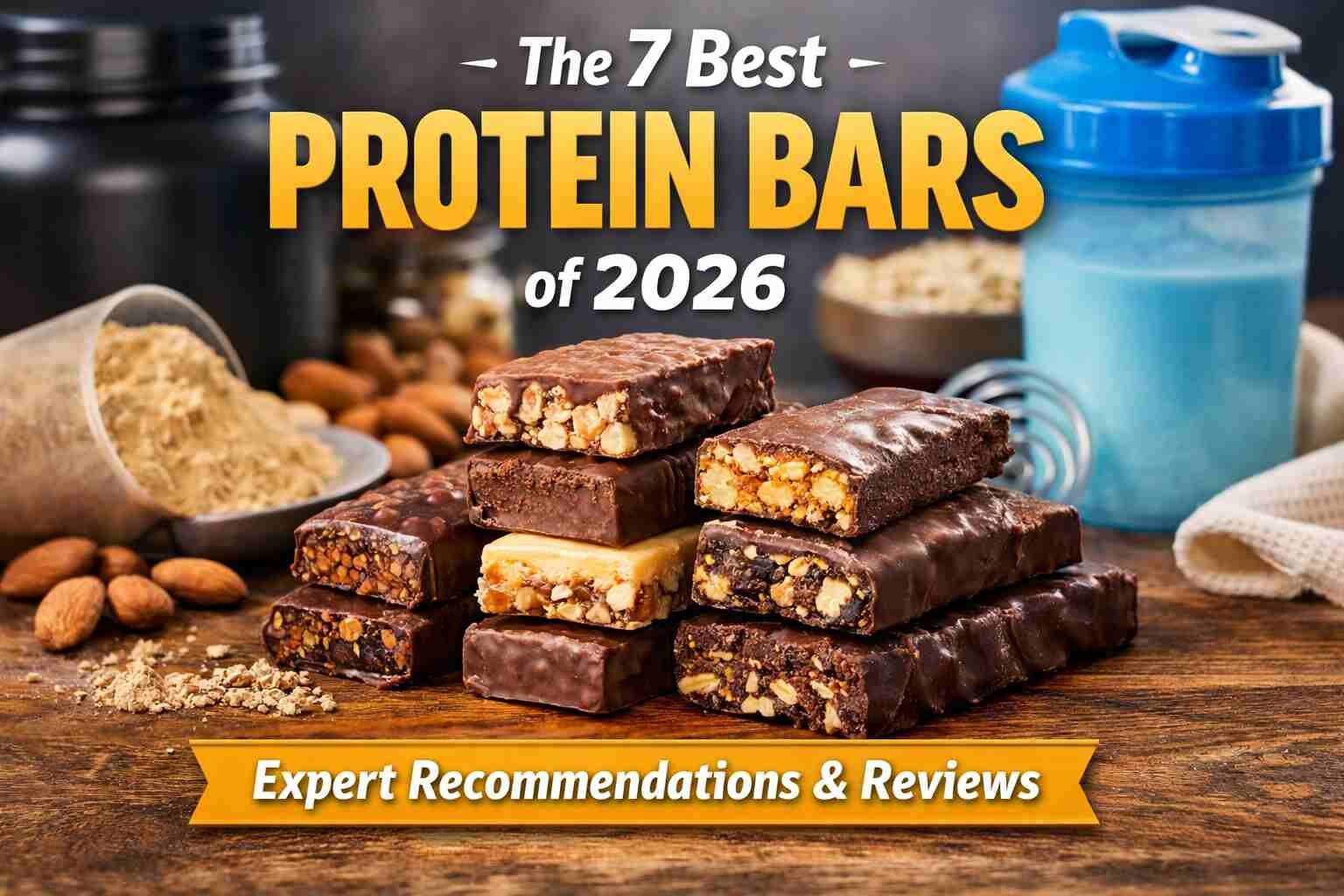
Protein bars have become a convenient solution for people seeking a quick, nutritious snack. With busy lifestyles, it is not always possible to prepare a balanced meal. Protein bars fill this gap by providing energy, supporting muscle growth, and aiding recovery after workouts. However, not all protein bars are created equal. Understanding their nutritional content and ingredients is essential for making the best choice for your health and fitness goals.
What Makes a Protein Bar “The Best”?
Choosing the best protein bars requires looking beyond marketing labels. Experts recommend checking the protein content, sugar levels, types of protein, and additional nutrients like fiber, vitamins, and minerals. A quality protein bar should provide at least 10–20 grams of protein per serving, have limited added sugar, and contain ingredients that are easy to digest. Whole-food-based bars with natural ingredients often provide better nutrition and fewer artificial additives.
Top Types of Protein in Protein Bars
Protein bars can contain a variety of protein sources. Whey protein, derived from milk, is fast-digesting and ideal for post-workout recovery. Plant-based proteins such as pea, rice, or soy protein cater to vegans or those with lactose intolerance. Some bars use a blend of proteins to provide a sustained amino acid release. Understanding the protein type helps you select a bar that aligns with your dietary needs and fitness goals.
Benefits of Protein Bars
Protein bars offer multiple benefits. They provide a convenient source of protein for muscle repair and growth. For weight management, bars high in protein and fiber help reduce hunger and maintain energy levels. Athletes benefit from bars that combine carbohydrates and protein, offering a quick energy boost before workouts or aiding recovery afterward. Additionally, high-quality protein bars with vitamins and minerals can contribute to overall nutrition when meals are skipped or delayed.
How to Read a Protein Bar Label
Reading labels is critical to identify the best protein bars. Start by checking the protein content per bar. Compare the sugar levels, aiming for bars with less than 10 grams of added sugar. Look at the fiber content, as it improves satiety. Ingredients should be recognizable and minimally processed. Avoid bars with excessive artificial sweeteners or fillers, which may affect digestion or long-term health.
Popular Protein Bars in 2026
Several brands have earned recognition for quality and taste. Some popular options include:
- RXBAR: Made with egg whites, nuts, and dates, providing a clean ingredient list and high protein.
- Quest Bar: Known for high protein and low sugar, ideal for post-workout recovery.
- Clif Builder’s Protein Bar: Offers plant and whey protein with added vitamins and minerals.
- LÄRABAR Protein: Combines natural ingredients with plant-based protein, suitable for vegan diets.
- ONE Bar: Features high protein with minimal sugar and a variety of flavors.
Each of these bars has been designed to meet specific dietary needs, making them suitable for athletes, busy professionals, or anyone seeking a nutritious snack.
Timing Your Protein Bar Intake
Protein bars are versatile and can fit into various parts of your day. Pre-workout consumption provides energy for exercise, while post-workout intake helps muscle recovery. For those on the go, protein bars make a suitable meal replacement or snack between meals. It is essential to balance protein bar intake with whole foods to ensure a well-rounded diet.
Potential Drawbacks to Consider
While protein bars are convenient, excessive reliance can lead to nutrient imbalance. Some bars are calorie-dense, which may affect weight management if consumed in excess. Artificial sweeteners and processed ingredients may also impact digestion or blood sugar. Experts recommend using protein bars as a supplement, not a replacement for whole meals, and pairing them with fruits, vegetables, or other nutrient-dense foods.
How to Choose the Best Protein Bar for You
Your choice should align with your dietary goals. If your goal is muscle growth, select bars with higher protein content. For weight management, look for bars with high fiber and lower sugar. Vegans should focus on plant-based protein bars. Taste is also important; choosing a bar you enjoy increases the likelihood of consistent use. Experiment with different options to find the one that suits your needs and preferences.
Storing and Consuming Protein Bars
Proper storage ensures protein bars remain fresh and retain nutritional value. Most bars should be kept in a cool, dry place. Avoid leaving bars in direct sunlight or high temperatures, as this may affect texture and taste. Checking expiration dates and storing bars in airtight containers is also recommended. Protein bars should be consumed as part of a balanced diet rather than as a sole source of nutrition.
More Details : 45 Good Roasts That Hurt: The Ultimate Guide to Witty Comebacks
FAQs
1. How often should I eat a protein bar?
Protein bars can be eaten once or twice a day as a snack or post-workout supplement. Do not rely solely on them for meals.
2. Are protein bars suitable for weight loss?
Yes, bars high in protein and fiber can help with satiety, but be mindful of calories and sugar content.
3. Can kids eat protein bars?
Children can eat protein bars occasionally, but choose bars with lower sugar and natural ingredients.
4. Are plant-based protein bars as effective as whey-based bars?
Plant-based bars provide sufficient protein for most people, though whey protein is digested faster and may be preferred post-workout.
5. Can protein bars replace meals?
They can be a temporary meal replacement but should not replace balanced meals regularly due to limited nutrients.
Conclusion
Protein bars offer a convenient, portable, and nutritious way to supplement your diet. Selecting the best protein bars involves understanding protein types, checking ingredients, and considering your dietary goals. By combining protein bars with a balanced diet and regular exercise, you can support muscle growth, recovery, and overall health. The key is moderation, variety, and choosing bars that match your personal nutrition needs.

12 Best Omegle Alternatives for Random Video Chat and Meeting New People

Dbxbqm Meaning: Why It Appears When You Try to Type YouTube

Immediate Loading Implants: How “Fixed Teeth in 48 Hours” Really Works

How UK Mobile Proxies Help Businesses Test Their Websites

Gen AI in Supply Chain: Using Supply Chain Benchmarks to Improve Performance

What Is the UK Theory Test? How It Works, Cost and Pass Mark

Weather the Storm: Why Totally Branded Umbrellas are the UK’s Most Appreciated Gift

How to Store, Wind, and Travel With Your Automatic Watch Collection Without Damaging It

What Do HubSpot Onboarding Services Include?

AI in Supply Chain: How AI Consulting Services Help Build More Intelligent and Resilient Operations
Immediate Loading Implants: How “Fixed Teeth in 48 Hours” Really Works
How UK Mobile Proxies Help Businesses Test Their Websites
12 Best Omegle Alternatives for Random Video Chat and Meeting New People
Dbxbqm Meaning: Why It Appears When You Try to Type YouTube
12 Best Omegle Alternatives for Random Video Chat and Meeting New People
Dbxbqm Meaning: Why It Appears When You Try to Type YouTube
Immediate Loading Implants: How “Fixed Teeth in 48 Hours” Really Works
How UK Mobile Proxies Help Businesses Test Their Websites
Gen AI in Supply Chain: Using Supply Chain Benchmarks to Improve Performance
What Is the UK Theory Test? How It Works, Cost and Pass Mark
Weather the Storm: Why Totally Branded Umbrellas are the UK’s Most Appreciated Gift
How to Store, Wind, and Travel With Your Automatic Watch Collection Without Damaging It
What Do HubSpot Onboarding Services Include?
AI in Supply Chain: How AI Consulting Services Help Build More Intelligent and Resilient Operations
-

 Tech9 months ago
xxx is equal to 2022: A Complete Informative Explanation of a Cubic Equation
-

 Celebrity9 months ago
Izzie Balmer Partner: A Deep Dive into the Relationship with Will Hawley
-

 Entertainment9 months ago
The Artistic World of Gege Akutami: A Mastermind Behind Jujutsu Kaisen
-
 Food6 months ago
Best Sushi Rice Brands: A Complete Guide to Choosing the Right Rice for Sushi