
Business
10 Best Books for Time Management to Improve Productivity and Focus in Daily Life

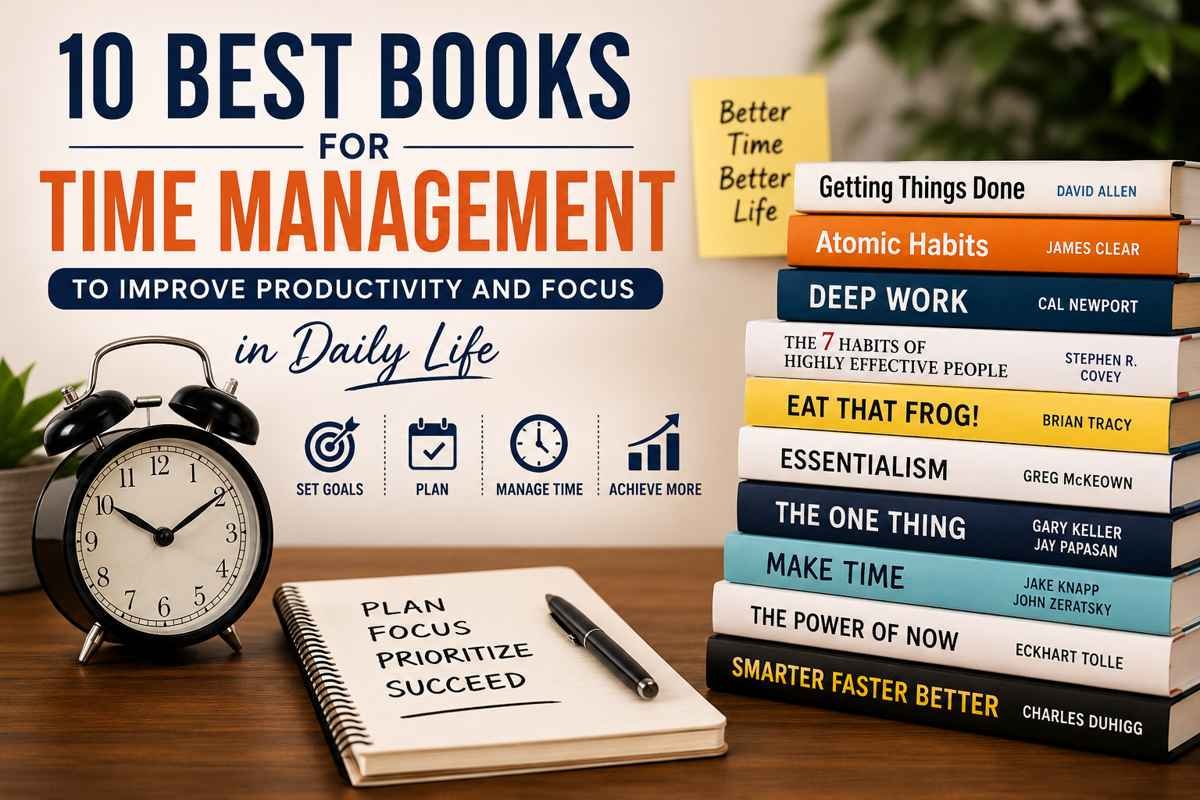
Managing time properly has become one of the biggest challenges in modern life. People are constantly surrounded by notifications, deadlines, meetings, studies, and personal responsibilities. Many individuals stay busy throughout the day but still feel unproductive by the evening. This is why learning time management is no longer optional—it has become essential.
One of the smartest ways to improve productivity is by learning from experts who have studied focus, discipline, habits, and efficiency for years. The best books for time management provide practical methods that help people organize their lives, avoid distractions, and use their time more effectively.
Whether you are a student, entrepreneur, office worker, freelancer, or business owner, the right book can completely change the way you approach work and daily routines. In this article, we will explore the top books that can help improve productivity, sharpen focus, and create better balance in life.
Why Reading Time Management Books Matters
Most people think productivity is about working harder. In reality, it is more about working smarter. Time management books help readers understand how successful people prioritize tasks, eliminate distractions, and stay consistent.
These books can help with:
- Building productive habits
- Reducing procrastination
- Improving concentration
- Managing stress effectively
- Creating better daily routines
- Achieving goals faster
The biggest advantage of reading these books is that they offer long-term strategies rather than temporary motivation.
1. Getting Things Done by David Allen
Getting Things Done is considered one of the most influential productivity books ever written. David Allen introduces a complete system that helps people organize tasks and reduce mental stress.
What the Book Teaches
Allen explains that people often feel overwhelmed because they try to remember too many things at once. His system encourages readers to move tasks out of their minds and into trusted organizational systems.
Key lessons include:
- Breaking projects into smaller actions
- Organizing tasks clearly
- Reducing mental clutter
- Improving focus and efficiency
Why This Book Is Helpful
This book is especially useful for professionals and people managing multiple responsibilities daily. It helps readers create structure and gain control over busy schedules.
2. Atomic Habits by James Clear
Atomic Habits focuses on the connection between small habits and long-term success. James Clear explains how tiny improvements repeated consistently can create major life changes.
How Habits Affect Productivity
Poor time management often comes from bad habits such as procrastination, distractions, and inconsistent routines. This book teaches readers how to replace those habits with productive systems.
Important ideas from the book include:
- Making good habits easier
- Eliminating negative routines
- Improving consistency
- Building discipline gradually
Why Readers Love This Book
The writing style is simple, practical, and easy to understand. Readers can immediately apply the lessons in everyday life.
Among the best books for time management, this one stands out because it focuses on lasting behavior change instead of temporary productivity tricks.
3. Deep Work by Cal Newport
Modern distractions make focused work difficult. Deep Work explains why concentration has become one of the most valuable skills in today’s world.
The Importance of Focus
Cal Newport argues that constant interruptions from phones, emails, and social media reduce productivity and creativity. He encourages readers to create uninterrupted periods of focused work.
The book teaches how to:
- Improve concentration
- Avoid distractions
- Work more efficiently
- Produce higher-quality results
Best Readers for This Book
Students, writers, programmers, freelancers, and remote workers can benefit greatly from its strategies.
4. The 7 Habits of Highly Effective People by Stephen R. Covey
This classic self-improvement book focuses on personal effectiveness and long-term success.
Powerful Lessons Inside the Book
Stephen Covey explains that many people spend too much time reacting to urgent tasks while ignoring important goals.
The book teaches readers to:
- Prioritize important work
- Build strong routines
- Improve decision-making
- Develop discipline and responsibility
Why the Book Remains Popular
Even after many years, its principles remain timeless because they focus on human behavior and values rather than trends.
5. Eat That Frog! by Brian Tracy
Eat That Frog! is one of the easiest productivity books to read and apply.
Meaning Behind the Title
The “frog” represents the most difficult or important task of the day. Brian Tracy recommends completing this task first to increase productivity and reduce stress.
Key lessons include:
- Beating procrastination
- Prioritizing effectively
- Taking action quickly
- Staying motivated
Why Beginners Prefer This Book
The advice is practical, simple, and direct. Readers can start applying the strategies immediately.
6. Essentialism by Greg McKeown
Many people believe success comes from doing more work. Essentialism teaches the opposite.
Focus on What Truly Matters
Greg McKeown encourages readers to remove unnecessary tasks and focus only on meaningful priorities.
The book helps readers:
- Say no confidently
- Eliminate distractions
- Protect valuable time
- Focus on important goals
Why This Book Feels Different
Its message is refreshing because it promotes simplicity instead of constant busyness.
7. The One Thing by Gary Keller and Jay Papasan
This book focuses on the power of concentrating on one important task at a time.
Core Message of the Book
The authors encourage readers to ask:
“What is the ONE thing you can do that makes everything else easier or unnecessary?”
This simple question helps people identify their highest priorities.
Benefits of Reading It
Readers learn how to:
- Avoid multitasking
- Improve focus
- Simplify goals
- Achieve better results
This is one of the best books for time management for entrepreneurs and business professionals.
8. Make Time by Jake Knapp and John Zeratsky
Written by former Google employees, Make Time offers realistic productivity advice for modern lifestyles.
Practical Strategies for Daily Life
The book focuses on helping readers create more intentional and focused days.
Topics include:
- Limiting phone distractions
- Creating daily priorities
- Managing energy levels
- Designing better routines
Why Readers Find It Useful
The methods feel flexible and realistic rather than strict or overwhelming.
9. The Power of Now by Eckhart Tolle
Although not a traditional productivity book, The Power of Now teaches readers how to stay mentally present.
Connection Between Presence and Productivity
Many people lose time because their minds constantly wander between past regrets and future worries. This book encourages mindfulness and mental clarity.
Benefits include:
- Reduced stress
- Better focus
- Improved mental calmness
- Greater awareness
Why It Matters
A calm and focused mind often performs better than a constantly distracted one.
10. Smarter Faster Better by Charles Duhigg
Charles Duhigg explores the science behind productivity and performance.
What Makes This Book Valuable
The author combines psychology, neuroscience, and real-life examples to explain why some people and companies perform more effectively than others.
The book discusses:
- Motivation
- Decision-making
- Goal setting
- Team productivity
Why It Is Worth Reading
Readers gain both practical advice and scientific understanding of productivity habits.
How to Choose the Right Productivity Book
Different people struggle with different productivity problems. Choosing the right book depends on personal challenges.
If You Struggle With Procrastination
Read:
- Eat That Frog!
- Atomic Habits
If You Feel Constantly Distracted
Read:
- Deep Work
- Make Time
If You Feel Overwhelmed by Too Many Tasks
Read:
- Essentialism
- Getting Things Done
If You Want Long-Term Personal Growth
Read:
- The 7 Habits of Highly Effective People
The most important thing is not reading every book. It is applying the lessons consistently.
Common Time Management Mistakes
Many people continue struggling with productivity because they repeat the same mistakes daily.
Trying to Multitask
Multitasking reduces efficiency and increases errors.
Ignoring Priorities
People often spend too much time on unimportant activities.
Constant Phone Usage
Frequent notifications and social media interruptions destroy focus.
Lack of Planning
Without clear planning, even busy days can become unproductive.
The best books for time management help readers identify and fix these habits over time.
Final Thoughts
Time is one of the most valuable resources in life. Once wasted, it can never be recovered. Learning how to manage time effectively can improve productivity, reduce stress, and create a healthier balance between work and personal life.
The books mentioned in this article offer different approaches to productivity, focus, habits, and discipline. Some focus on deep concentration, while others emphasize simplicity, routines, or mindset changes.
No single book will magically transform life overnight. However, applying even a few powerful lessons consistently can create major long-term improvements.
If you truly want better productivity and focus, start with one book, implement its strategies daily, and remain patient with the process. Small consistent changes often produce the biggest results over time.
More Details : Best Books for Emotional Intelligence: A Guide to Enhancing Your EQ
FAQs
1. What are the best books for time management?
Some of the best options include Atomic Habits, Deep Work, Getting Things Done, and Essentialism.
2. Which productivity book is best for students?
Deep Work and Atomic Habits are excellent choices for students because they improve focus and study habits.
3. Can time management books improve daily productivity?
Yes, these books provide practical systems and habits that can help people become more organized and focused.
4. How long does it take to improve time management skills?
Improvement depends on consistency. Small daily changes can create noticeable results within a few weeks.
5. Should I read multiple productivity books together?
It is usually better to focus on one book at a time and apply its lessons before moving to another one.

12 Best Omegle Alternatives for Random Video Chat and Meeting New People

Dbxbqm Meaning: Why It Appears When You Try to Type YouTube

Immediate Loading Implants: How “Fixed Teeth in 48 Hours” Really Works

How UK Mobile Proxies Help Businesses Test Their Websites

Gen AI in Supply Chain: Using Supply Chain Benchmarks to Improve Performance

What Is the UK Theory Test? How It Works, Cost and Pass Mark

Weather the Storm: Why Totally Branded Umbrellas are the UK’s Most Appreciated Gift

How to Store, Wind, and Travel With Your Automatic Watch Collection Without Damaging It

What Do HubSpot Onboarding Services Include?

AI in Supply Chain: How AI Consulting Services Help Build More Intelligent and Resilient Operations
Immediate Loading Implants: How “Fixed Teeth in 48 Hours” Really Works
How UK Mobile Proxies Help Businesses Test Their Websites
Gen AI in Supply Chain: Using Supply Chain Benchmarks to Improve Performance
12 Best Omegle Alternatives for Random Video Chat and Meeting New People
Dbxbqm Meaning: Why It Appears When You Try to Type YouTube
12 Best Omegle Alternatives for Random Video Chat and Meeting New People
Dbxbqm Meaning: Why It Appears When You Try to Type YouTube
Immediate Loading Implants: How “Fixed Teeth in 48 Hours” Really Works
How UK Mobile Proxies Help Businesses Test Their Websites
Gen AI in Supply Chain: Using Supply Chain Benchmarks to Improve Performance
What Is the UK Theory Test? How It Works, Cost and Pass Mark
Weather the Storm: Why Totally Branded Umbrellas are the UK’s Most Appreciated Gift
How to Store, Wind, and Travel With Your Automatic Watch Collection Without Damaging It
What Do HubSpot Onboarding Services Include?
AI in Supply Chain: How AI Consulting Services Help Build More Intelligent and Resilient Operations
-

 Tech9 months ago
xxx is equal to 2022: A Complete Informative Explanation of a Cubic Equation
-

 Celebrity8 months ago
Izzie Balmer Partner: A Deep Dive into the Relationship with Will Hawley
-

 Entertainment9 months ago
The Artistic World of Gege Akutami: A Mastermind Behind Jujutsu Kaisen
-

 Food5 months ago
Best Sushi Rice Brands: A Complete Guide to Choosing the Right Rice for Sushi