
Pet
Can Cats Eat Watermelon? A Complete Guide for Cat Owners

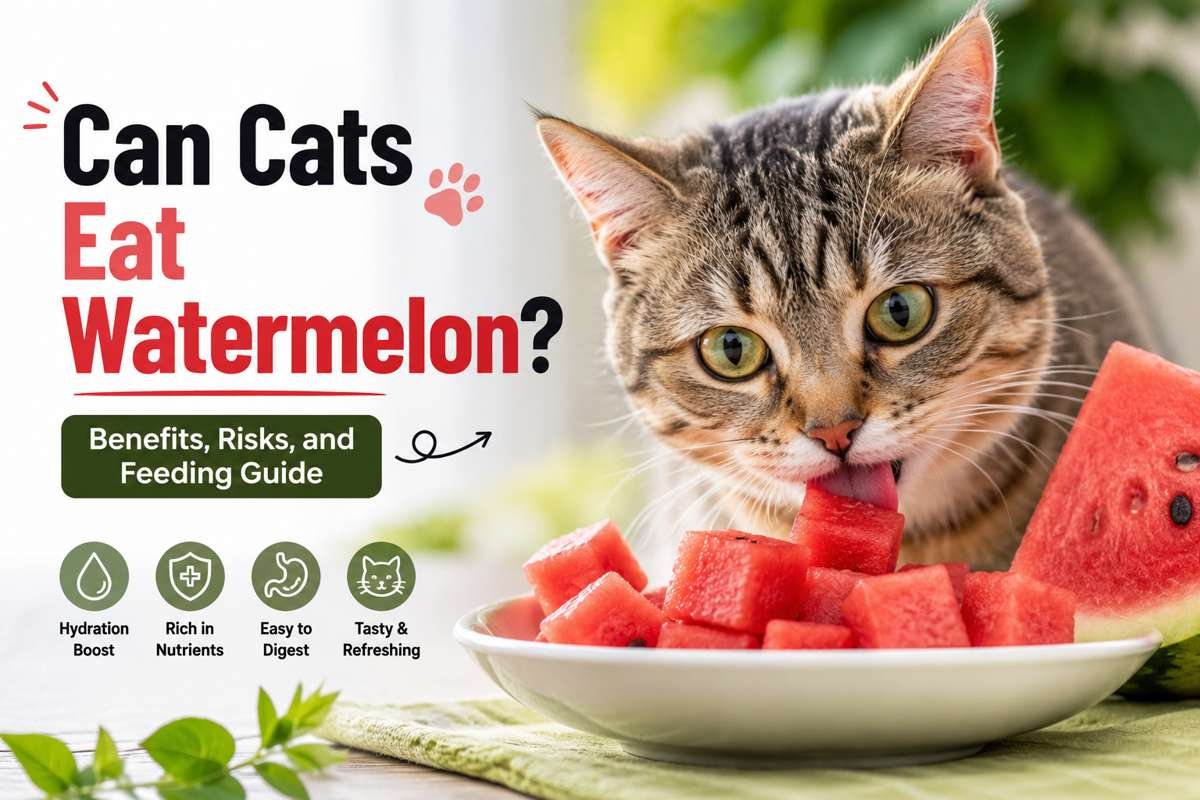
Many cat owners enjoy sharing small treats with their pets, especially during hot summer days. Fruits often seem like a healthy option, but not every fruit is safe for felines. One common question pet owners ask is: Can Cats Eat Watermelon?
The short answer is yes — cats can eat watermelon in small amounts. This juicy fruit is not toxic to cats and may even provide hydration during warm weather. However, there are important precautions every pet owner should know before offering watermelon to their furry friend.
Cats have very different nutritional needs compared to humans. Since they are obligate carnivores, their diet mainly depends on animal protein. Fruits should never replace proper cat food, but some fruits can be given occasionally as a treat. Understanding how watermelon affects cats can help you make safer feeding decisions.
Is Watermelon Safe for Cats?
Watermelon is generally considered safe for healthy cats when served properly. The soft red flesh contains a high amount of water and small amounts of vitamins. Because it is naturally sweet and refreshing, some cats may enjoy its texture.
Unlike grapes or raisins, watermelon is not known to be poisonous to cats. However, the fruit must be prepared carefully before serving. The rind and seeds can create serious digestive problems and should always be removed.
A small bite of seedless watermelon is usually harmless for most cats. Moderation remains important because too much fruit can upset a cat’s stomach.
Why Some Cats Like Watermelon
Cats do not taste sweetness the same way humans do. Scientists believe cats lack the taste receptors that detect sweet flavors. Even so, many cats still show curiosity toward watermelon.
The attraction usually comes from:
High Water Content
Watermelon contains over 90% water. Cats that do not drink enough water may enjoy the moisture from the fruit.
Soft Texture
The soft and juicy texture can be appealing, especially for older cats with dental issues.
Cold and Refreshing Feeling
Chilled watermelon may feel soothing during hot weather.
Every cat has different preferences. Some may love watermelon, while others completely ignore it.
Nutritional Value of Watermelon for Cats
Although cats do not require fruit in their diet, watermelon contains a few nutrients that may provide minor benefits.
Hydration Support
Cats naturally have a low thirst drive. Foods with high moisture can help increase hydration, especially during summer.
Vitamin A
Vitamin A supports vision, skin health, and immune function.
Vitamin C
This vitamin acts as an antioxidant, although cats naturally produce their own vitamin C.
Potassium
Potassium helps maintain proper muscle and nerve function.
Despite these nutrients, watermelon should only be considered an occasional snack rather than a nutritional necessity.
Potential Risks of Feeding Watermelon to Cats
Even safe foods can become dangerous if served incorrectly or in large quantities. There are several risks cat owners should understand before sharing watermelon.
Seeds Can Cause Problems
Watermelon seeds may become a choking hazard for cats. Some seeds also contain trace compounds that can be harmful if consumed in large amounts.
Always choose seedless watermelon or carefully remove every seed before feeding.
The Rind Is Hard to Digest
The green outer rind is extremely difficult for cats to digest. Eating the rind may lead to:
- Vomiting
- Diarrhea
- Constipation
- Intestinal blockage
Large pieces of rind can become especially dangerous for kittens or small cats.
Sugar Content Can Upset the Stomach
Watermelon contains natural sugars. While the sugar level is lower than many fruits, too much can still upset a cat’s digestive system.
Cats with obesity or diabetes should avoid sugary treats unless approved by a veterinarian.
Allergic Reactions Are Possible
Although rare, some cats may react negatively to watermelon. Signs of a food reaction may include:
- Itching
- Vomiting
- Diarrhea
- Swelling
- Unusual behavior
If you notice any unusual symptoms after feeding watermelon, stop immediately and contact a veterinarian.
How Much Watermelon Can Cats Eat?
Moderation is the key to safe feeding. Cats only need a tiny portion because fruit is not a natural part of their diet.
A good serving size is:
- One or two small cubes occasionally
- A few teaspoons for larger cats
Treats should make up less than 10% of a cat’s daily calorie intake.
Feeding watermelon too often may lead to digestive discomfort or unhealthy eating habits.
Best Way to Serve Watermelon to Cats
Proper preparation makes watermelon much safer for cats.
Step 1: Wash the Fruit
Clean the outside thoroughly before cutting.
Step 2: Remove Seeds
Take out all black and white seeds carefully.
Step 3: Remove the Rind
Only the soft red flesh should be offered.
Step 4: Cut Into Tiny Pieces
Small pieces reduce choking risk.
Step 5: Serve Plain
Do not add sugar, salt, spices, or artificial flavoring.
Cold watermelon pieces can be refreshing during summer, but avoid frozen chunks that are too hard.
Can Kittens Eat Watermelon?
Kittens have more sensitive digestive systems than adult cats. Their nutritional needs are also very specific during growth stages.
A tiny amount of watermelon is usually not dangerous for kittens, but it is better to focus mainly on balanced kitten food. Introducing too many treats at a young age may upset digestion.
If you decide to offer watermelon to a kitten, keep the portion extremely small and monitor closely for any reaction.
Can Cats Eat Watermelon Every Day?
Daily watermelon feeding is not recommended. Even though the fruit is relatively safe, cats require protein-rich meals rather than fruits.
Too much watermelon may:
- Reduce appetite for regular cat food
- Cause diarrhea
- Increase sugar intake
- Lead to stomach discomfort
Occasional treats are safer and healthier than daily servings.
Signs Your Cat Does Not Tolerate Watermelon
Some cats simply do not digest fruits well. Watch carefully after introducing watermelon for the first time.
Common warning signs include:
- Vomiting
- Loose stool
- Gas
- Lethargy
- Loss of appetite
If symptoms continue for more than a few hours, seek veterinary advice.
Healthier Alternatives to Watermelon for Cats
If your cat enjoys treats, there are several safer options that better match feline nutrition.
Cooked Chicken
Lean cooked chicken provides protein cats naturally need.
Salmon
Small portions of cooked salmon offer healthy fats.
Cat Treats
Commercial treats designed for cats are usually the safest option.
Cucumber
Some cats enjoy cucumber because of its water content and crunchy texture.
Always introduce new foods slowly and in small amounts.
When Cats Should Avoid Watermelon
Some cats should not eat watermelon at all without veterinary approval.
This includes cats with:
- Diabetes
- Obesity
- Digestive disorders
- Food allergies
- Kidney problems
Medical conditions can change how a cat processes sugar and water-rich foods.
Final Thoughts
So, Can Cats Eat Watermelon? Yes, they can enjoy small amounts of fresh seedless watermelon safely when served correctly. The fruit can provide hydration and a refreshing texture, especially during hot weather. However, watermelon should only remain an occasional treat rather than a regular part of a cat’s diet.
The most important safety rule is to remove all seeds and rind before serving. Small portions are best, and cat owners should always monitor for digestive issues or allergic reactions after introducing new foods.
A balanced, protein-rich diet will always be more important for feline health than fruits or snacks. Watermelon can simply be a fun and refreshing treat for cats that enjoy it.
More Details : When Cats Find You: The Truth Behind the Cat Distribution System
FAQs
1. Can cats eat watermelon seeds?
No, watermelon seeds should always be removed because they can cause choking or digestive problems.
2. Is watermelon toxic to cats?
No, watermelon itself is not toxic when served in small seedless portions.
3. Can diabetic cats eat watermelon?
Diabetic cats should avoid watermelon unless a veterinarian approves it due to the fruit’s natural sugar content.
4. Can kittens safely eat watermelon?
Kittens can eat tiny amounts occasionally, but their main diet should remain balanced kitten food.
5. How often can cats eat watermelon?
Watermelon should only be offered occasionally as a treat, not every day.

12 Best Omegle Alternatives for Random Video Chat and Meeting New People

Dbxbqm Meaning: Why It Appears When You Try to Type YouTube

Immediate Loading Implants: How “Fixed Teeth in 48 Hours” Really Works

How UK Mobile Proxies Help Businesses Test Their Websites

Gen AI in Supply Chain: Using Supply Chain Benchmarks to Improve Performance

What Is the UK Theory Test? How It Works, Cost and Pass Mark

Weather the Storm: Why Totally Branded Umbrellas are the UK’s Most Appreciated Gift

How to Store, Wind, and Travel With Your Automatic Watch Collection Without Damaging It

What Do HubSpot Onboarding Services Include?

AI in Supply Chain: How AI Consulting Services Help Build More Intelligent and Resilient Operations
Immediate Loading Implants: How “Fixed Teeth in 48 Hours” Really Works
How UK Mobile Proxies Help Businesses Test Their Websites
Gen AI in Supply Chain: Using Supply Chain Benchmarks to Improve Performance
12 Best Omegle Alternatives for Random Video Chat and Meeting New People
Dbxbqm Meaning: Why It Appears When You Try to Type YouTube
12 Best Omegle Alternatives for Random Video Chat and Meeting New People
Dbxbqm Meaning: Why It Appears When You Try to Type YouTube
Immediate Loading Implants: How “Fixed Teeth in 48 Hours” Really Works
How UK Mobile Proxies Help Businesses Test Their Websites
Gen AI in Supply Chain: Using Supply Chain Benchmarks to Improve Performance
What Is the UK Theory Test? How It Works, Cost and Pass Mark
Weather the Storm: Why Totally Branded Umbrellas are the UK’s Most Appreciated Gift
How to Store, Wind, and Travel With Your Automatic Watch Collection Without Damaging It
What Do HubSpot Onboarding Services Include?
AI in Supply Chain: How AI Consulting Services Help Build More Intelligent and Resilient Operations
-

 Tech9 months ago
xxx is equal to 2022: A Complete Informative Explanation of a Cubic Equation
-

 Celebrity8 months ago
Izzie Balmer Partner: A Deep Dive into the Relationship with Will Hawley
-

 Entertainment9 months ago
The Artistic World of Gege Akutami: A Mastermind Behind Jujutsu Kaisen
-

 Food5 months ago
Best Sushi Rice Brands: A Complete Guide to Choosing the Right Rice for Sushi