
Health
Can Dental Implants Change Facial Appearance?

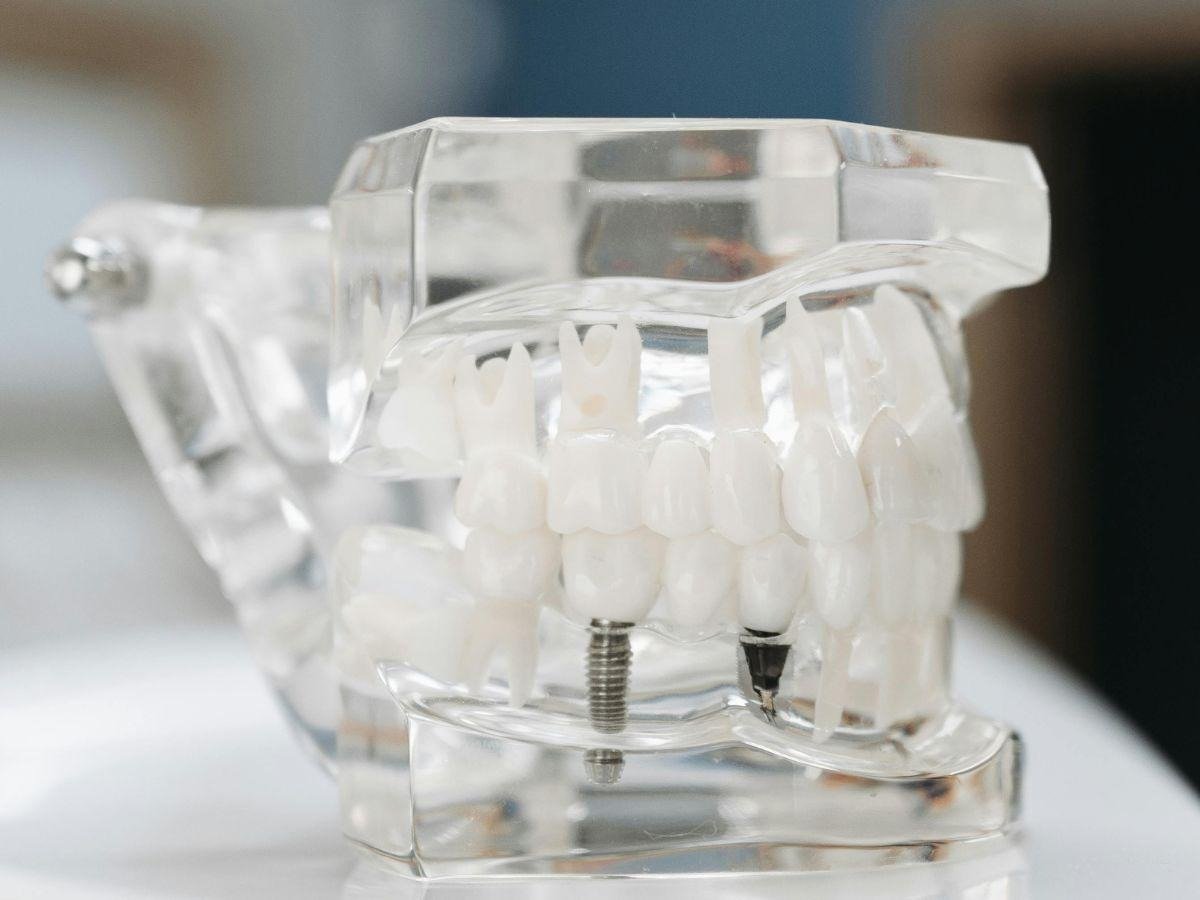
Have you ever noticed that a person’s face can look different after losing teeth? Teeth do much more than help us chew food and speak clearly. They also support the shape of the face. When teeth are missing, changes can happen in the jaw and surrounding tissues over time.
This is one reason many people consider dental implants. They are a popular option for replacing missing teeth and restoring oral function. But many patients have another important question: can dental implants change facial appearance?
In some cases, dental implants may influence facial appearance by helping restore support lost after tooth loss. The extent of any visible change varies among individuals. However, the changes are usually related to restoring lost support rather than completely changing how someone looks. Understanding how dental implants affect the face can help patients make informed decisions about treatment.
Understanding Dental Implants
Dental implants are artificial tooth roots that are placed into the jawbone. They are usually made from biocompatible materials such as titanium. Once the implant integrates with the bone, a crown, bridge, or denture can be attached to it.
Unlike removable tooth replacements, implants become part of the jaw structure. This allows them to provide stability and function that closely resemble natural teeth.
A dental implant typically includes three parts:
- The implant post placed in the jawbone
- The abutment that connects the parts
- The crown that looks like a natural tooth
Because implants interact directly with the jawbone, they can play an important role in maintaining facial structure.
How Missing Teeth Affect Facial Appearance
Before understanding how implants may change appearance, it helps to know what happens when teeth are lost.
Bone Loss After Tooth Loss
The jawbone depends on stimulation from tooth roots. Every time a person bites or chews, the bone receives signals that help maintain its strength.
When a tooth is lost, that stimulation decreases. Over time, the jawbone in that area may begin to shrink. Dental professionals generally recognize that the jawbone can begin to change after a tooth is lost, often within the first year following extraction.
As the bone becomes thinner, the face may gradually lose some of its natural support.
Changes in Facial Structure
Missing teeth can affect more than the smile. In some cases, patients may notice:
- A sunken appearance around the mouth
- Thinner-looking lips
- Sagging facial tissues
- A shorter distance between the nose and chin
- Changes in facial balance
These effects are often more noticeable when several teeth are missing or when tooth loss has been present for many years.
Can Dental Implants Change Facial Appearance?
Yes, dental implants can influence facial appearance, but the goal is usually restoration rather than transformation.
When implants replace missing teeth, they help support the structures that contribute to a natural facial shape. Many patients notice that their smile looks fuller and their face appears healthier after treatment.
The extent of change depends on factors such as the number of missing teeth, the amount of bone loss, and the patient’s overall oral health.
Restoring Lost Support
One of the biggest benefits of implants is their ability to support replacement teeth securely.
When teeth are restored, the lips and cheeks often regain some of the support that was lost after tooth removal. This can create a more balanced and natural appearance.
Patients who have gone years without replacing missing teeth may notice a greater visual difference compared to those who seek treatment soon after tooth loss.
A More Natural Smile
A complete smile can have a strong effect on facial appearance. Gaps between teeth may draw attention away from other facial features.
Dental implants are designed to blend with surrounding teeth. When properly planned and placed, they can improve the appearance of the smile while maintaining a natural look.
Many patients report feeling more comfortable smiling, speaking, and interacting with others after treatment.
Improving Facial Symmetry
Facial symmetry refers to how balanced the left and right sides of the face appear.
When teeth are missing on one side, people may unconsciously chew more on the opposite side. Over time, this can contribute to uneven wear patterns and changes in muscle use.
Replacing missing teeth with implants may help restore more balanced function. While implants do not guarantee perfect symmetry, they may help support a healthier distribution of chewing forces.
For patients discussing treatment options with a dentist Bonney Lake, understanding these functional benefits can be just as important as the cosmetic improvements.
Supporting the Jawbone
One feature that makes implants different from many other tooth replacement options is their connection to the jawbone.
Because implants are anchored in the jawbone, they may help provide mechanical stimulation to the surrounding bone, something that is not possible with removable tooth replacements. This may help reduce the rate of bone loss in the treated area.
It is important to note that implants cannot completely reverse all bone loss that has already occurred. However, they can help preserve existing bone and support long-term oral health.
This support is one reason implants are often considered a long-term solution for tooth replacement.
What Changes Can Patients Expect?
The changes associated with dental implants vary from person to person.
Short-Term Changes
Soon after treatment, patients may notice:
- Improved smile appearance
- Better support for lips and cheeks
- Increased confidence when speaking and smiling
There can also be temporary swelling during the healing period. This is a normal part of recovery and generally improves with time.
Long-Term Changes
Over the long term, patients may experience:
- Better maintenance of facial structure
- Improved chewing function
- Continued support for replacement teeth
- Greater confidence in social situations
These outcomes depend on good oral hygiene, regular dental visits, and following professional recommendations.
Factors That Influence Results
Several factors affect how much facial appearance may change after implant treatment.
Number of Missing Teeth
Replacing one missing tooth may produce subtle visual changes.
Replacing multiple missing teeth or supporting a full arch of teeth can have a greater impact on facial support and appearance.
Bone Health
Patients with significant bone loss may require additional procedures before implant placement.
Bone grafting is sometimes recommended to create a stronger foundation for implants. This can help support both function and appearance.
Treatment Planning
Careful planning is important for successful outcomes.
Dental professionals evaluate factors such as:
- Jawbone condition
- Bite alignment
- Gum health
- Facial proportions
These assessments help create a treatment plan that supports both oral health and aesthetics.
Patients who work closely with a dentist Bonney Lake can better understand what results may be realistic for their specific situation.
Common Myths About Dental Implants and Appearance
There are several misconceptions about how implants affect the face.
Myth 1: Dental Implants Completely Change Your Face
Dental implants do not create a new facial appearance. Their primary purpose is to replace missing teeth and restore support that may have been lost.
Myth 2: Implants Instantly Reverse Aging
Aging affects the skin, muscles, and many other facial structures. While implants can help support facial tissues, they are not an anti-aging treatment.
Myth 3: Every Patient Gets the Same Results
Each patient has different anatomy, bone levels, and treatment goals. Results vary depending on individual circumstances.
Are Dental Implants Right for Everyone?
Dental implants are a common option for many adults, but they are not suitable for every patient.
A dental evaluation is necessary to determine candidacy. Factors that may influence treatment include:
- Overall oral health
- Gum condition
- Bone density
- Medical history
- Lifestyle habits
A qualified dental professional can explain available options and discuss expected outcomes based on the patient’s needs.
Conclusion
Dental implants can positively influence facial appearance by replacing missing teeth and helping support the structures around the mouth and jaw. While they do not completely change a person’s face, they can restore lost support, improve smile appearance, and help maintain facial balance over time.
The amount of change varies from patient to patient and depends on factors such as bone health, the number of missing teeth, and treatment planning. For many individuals, dental implants provide both functional and cosmetic benefits, helping them enjoy a healthier smile and greater confidence in everyday life.
This article is intended for informational purposes only and does not constitute dental or medical advice. Individual results vary. Please consult a qualified dental professional to determine whether dental implants are appropriate for your specific needs.
More Details : Best At Home Teeth Whitening Kits: A Complete Guide to Brighter Teeth

12 Best Omegle Alternatives for Random Video Chat and Meeting New People

Dbxbqm Meaning: Why It Appears When You Try to Type YouTube

Immediate Loading Implants: How “Fixed Teeth in 48 Hours” Really Works

How UK Mobile Proxies Help Businesses Test Their Websites

Gen AI in Supply Chain: Using Supply Chain Benchmarks to Improve Performance

What Is the UK Theory Test? How It Works, Cost and Pass Mark

Weather the Storm: Why Totally Branded Umbrellas are the UK’s Most Appreciated Gift

How to Store, Wind, and Travel With Your Automatic Watch Collection Without Damaging It

What Do HubSpot Onboarding Services Include?

AI in Supply Chain: How AI Consulting Services Help Build More Intelligent and Resilient Operations
Immediate Loading Implants: How “Fixed Teeth in 48 Hours” Really Works
How UK Mobile Proxies Help Businesses Test Their Websites
Gen AI in Supply Chain: Using Supply Chain Benchmarks to Improve Performance
12 Best Omegle Alternatives for Random Video Chat and Meeting New People
Dbxbqm Meaning: Why It Appears When You Try to Type YouTube
12 Best Omegle Alternatives for Random Video Chat and Meeting New People
Dbxbqm Meaning: Why It Appears When You Try to Type YouTube
Immediate Loading Implants: How “Fixed Teeth in 48 Hours” Really Works
How UK Mobile Proxies Help Businesses Test Their Websites
Gen AI in Supply Chain: Using Supply Chain Benchmarks to Improve Performance
What Is the UK Theory Test? How It Works, Cost and Pass Mark
Weather the Storm: Why Totally Branded Umbrellas are the UK’s Most Appreciated Gift
How to Store, Wind, and Travel With Your Automatic Watch Collection Without Damaging It
What Do HubSpot Onboarding Services Include?
AI in Supply Chain: How AI Consulting Services Help Build More Intelligent and Resilient Operations
-

 Tech9 months ago
xxx is equal to 2022: A Complete Informative Explanation of a Cubic Equation
-

 Celebrity9 months ago
Izzie Balmer Partner: A Deep Dive into the Relationship with Will Hawley
-

 Entertainment9 months ago
The Artistic World of Gege Akutami: A Mastermind Behind Jujutsu Kaisen
-

 Food5 months ago
Best Sushi Rice Brands: A Complete Guide to Choosing the Right Rice for Sushi