
Tech
How 400G OSFP DR4 Optical Modules Improve Data Center Scalability and Performance

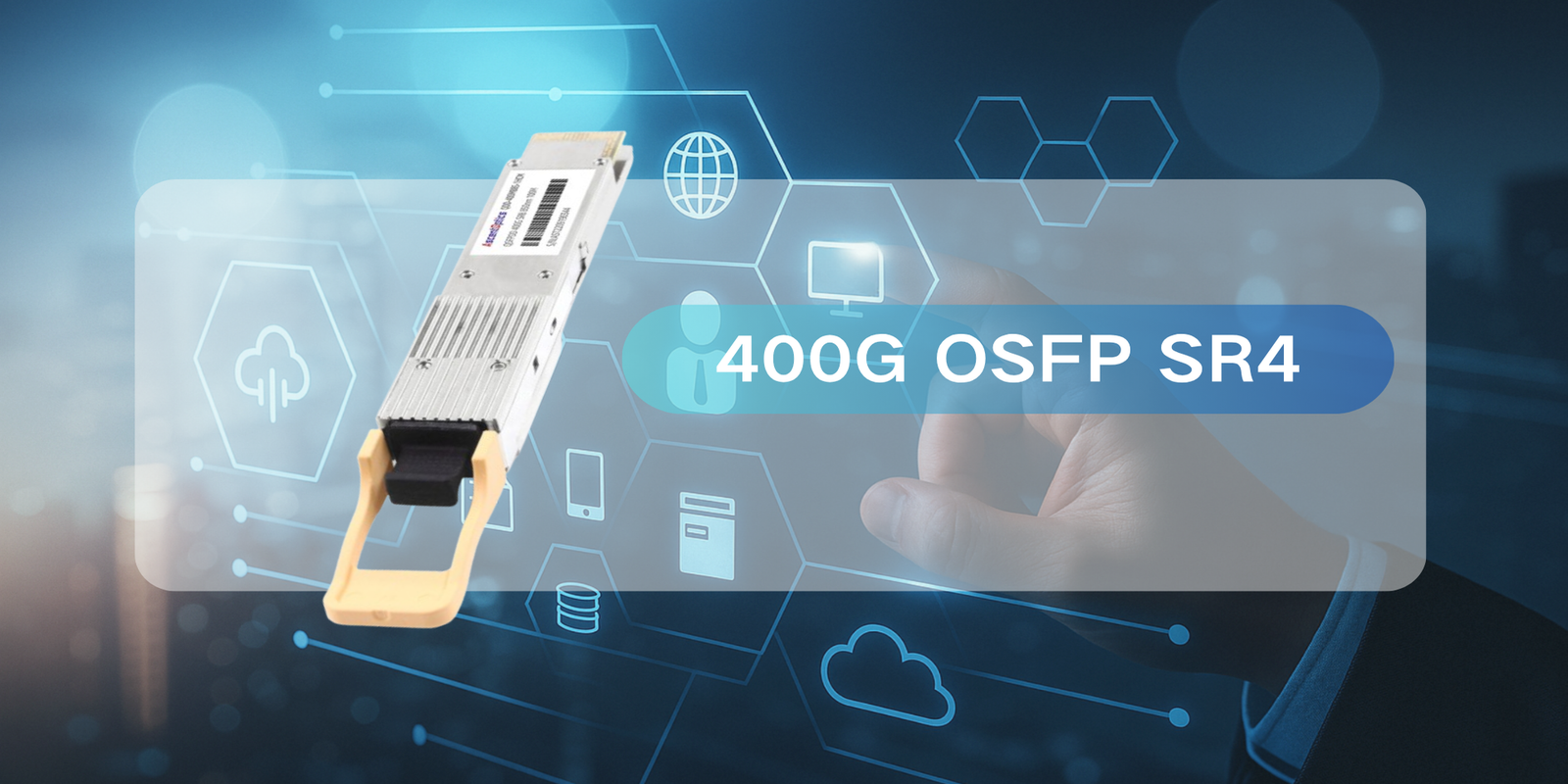
As cloud computing, artificial intelligence (AI), machine learning, and high-performance computing (HPC) continue to evolve, data centers are facing unprecedented demands for bandwidth, efficiency, and scalability. Modern applications generate massive volumes of east-west traffic, requiring faster and more reliable interconnections between servers, switches, and storage systems. To keep pace with these growing requirements, many operators are upgrading from 100G and 200G infrastructures to 400G Ethernet networks.
One of the key technologies enabling this transition is the 400GBASE-DR4 optical transceiver. Designed for high-speed single-mode fiber connectivity, these modules provide 400Gbps bandwidth over distances of up to 500 meters using MPO-12/APC fiber cabling. As data center architectures become increasingly complex, 400G OSFP modules are playing a critical role in delivering the performance and flexibility needed to support next-generation workloads.
In addition to providing higher bandwidth, 400GBASE-DR4 OSFP transceivers offer excellent scalability for future network expansion. Features such as PAM4 modulation, Digital Diagnostic Monitoring (DDM), and breakout support to 4×100G-DR links make 400G OSFP modules an attractive solution for organizations seeking to optimize both current and future data center operations.
Understanding 400GBASE-DR4 OSFP Optical Modules
The 400GBASE-DR4 OSFP optical transceiver is designed to transmit 400 Gigabit Ethernet traffic over single-mode fiber using four parallel optical lanes. Each lane operates at 100Gbps through PAM4 modulation technology, enabling the module to achieve an aggregate bandwidth of 400Gbps. Operating at a wavelength of 1310nm and supporting transmission distances up to 500 meters, the module is ideal for high-speed interconnects within large-scale data centers.
The OSFP (Octal Small Form-factor Pluggable) form factor is specifically engineered for next-generation networking environments. Compared to earlier transceiver designs, OSFP modules provide improved thermal performance and support higher power budgets, making them suitable for dense switch deployments and demanding workloads.
Another significant advantage of 400GBASE-DR4 modules is their support for breakout connectivity. A single 400G port can be divided into four independent 100G-DR connections, providing flexibility for network migration and simplifying the integration of legacy infrastructure into modern 400G environments.
Why Data Center Scalability Matters
Scalability has become one of the most important considerations in data center design. As organizations deploy more servers, storage devices, and AI accelerators, network traffic continues to increase. Infrastructure that cannot scale efficiently often experiences congestion, performance bottlenecks, and rising operational costs.
Traditional network upgrades frequently require substantial investments in additional ports, switches, and cabling. However, scalable solutions allow operators to increase network capacity without completely redesigning their infrastructure. By adopting higher-speed optical modules, data centers can accommodate future growth while maintaining operational efficiency.
Scalability is particularly important for hyperscale data centers and cloud service providers, where network demands can change rapidly. The ability to deploy high-bandwidth links while maintaining flexibility for future expansion helps organizations maximize return on investment and reduce long-term upgrade costs.
How 400GBASE-DR4 Modules Enhance Scalability
Higher Bandwidth Density
One of the most effective ways to improve scalability is by increasing bandwidth density. A single 400GBASE-DR4 module provides four times the bandwidth of a 100G connection, allowing operators to significantly increase network capacity without increasing the number of physical ports.
Higher bandwidth density enables more efficient utilization of switch resources and rack space. This is particularly valuable in modern data centers where maximizing performance per rack is a key objective. By reducing the number of required connections, organizations can simplify network architecture while supporting future traffic growth.
Flexible 400G to 4×100G Breakout Capability
Breakout functionality provides an additional layer of scalability by allowing a 400G link to connect directly to four separate 100G endpoints. This capability is especially useful during phased network upgrades, where both 100G and 400G equipment may coexist within the same infrastructure.
Instead of replacing all networking hardware simultaneously, operators can gradually transition to higher-speed networks while maintaining compatibility with existing systems. This flexibility minimizes disruption and reduces capital expenditures during migration projects.
Simplified Infrastructure Expansion
As data centers grow, the complexity of cabling and network management often increases. Deploying 400G links reduces the total number of cables required to achieve a given level of bandwidth, helping streamline infrastructure expansion efforts.
A simpler cabling architecture not only reduces installation costs but also improves airflow and cable management within racks. This contributes to better operational efficiency and easier maintenance over the long term.
How 400GBASE-DR4 Modules Improve Network Performance
Reduced Network Congestion
High-bandwidth optical links play a crucial role in preventing network congestion. As workloads generate increasing amounts of data, lower-speed connections can become bottlenecks that limit application performance.
With 400Gbps of throughput, 400GBASE-DR4 modules provide sufficient capacity to accommodate demanding workloads, ensuring smoother data movement across the network. This is particularly important in environments that support large-scale virtualization, distributed storage systems, and AI training clusters.
Lower Latency for Data-Intensive Applications
Many modern applications require rapid communication between compute nodes. AI model training, real-time analytics, and high-performance computing workloads depend on low-latency networking to maintain efficiency.
By providing high-speed connectivity and reducing congestion-related delays, 400GBASE-DR4 modules help improve application responsiveness. Faster data exchange allows compute resources to remain productive rather than waiting for network transfers to complete.
Enhanced Reliability Through Monitoring
Network reliability is essential for maintaining business continuity. Built-in Digital Diagnostic Monitoring capabilities enable administrators to monitor key operating parameters, including temperature, voltage, transmit power, and receive power.
Real-time visibility into module performance helps identify potential issues before they lead to service disruptions. Predictive maintenance based on DDM data can reduce downtime and improve overall network stability.
Ideal Applications for 400GBASE-DR4 OSFP Modules
AI and Machine Learning Clusters
AI workloads require constant communication between GPUs, servers, and storage resources. High-bandwidth 400G links help accelerate data movement and improve resource utilization across large-scale AI infrastructures.
Cloud Data Centers
Cloud providers must support thousands of simultaneous users and applications. The scalability and performance advantages of 400GBASE-DR4 modules help ensure consistent service delivery while accommodating rapid growth.
Leaf-Spine Network Architectures
Leaf-spine architectures rely on high-speed interconnects to provide predictable performance and low latency. 400GBASE-DR4 modules are well-suited for spine-to-leaf and switch-to-switch connections within these environments.
Conclusion
As data centers continue to expand to support cloud computing, AI, and other bandwidth-intensive applications, scalable and high-performance networking solutions have become essential. 400GBASE-DR4 OSFP optical modules address these challenges by delivering 400Gbps connectivity, efficient single-mode fiber transmission, and flexible breakout capabilities.
By increasing bandwidth density, simplifying infrastructure expansion, reducing network congestion, and supporting seamless migration paths, 400GBASE-DR4 modules help organizations build networks that are ready for both current demands and future growth. For operators seeking to improve data center scalability and performance, these advanced optical transceivers represent a practical and forward-looking investment.

12 Best Omegle Alternatives for Random Video Chat and Meeting New People

Dbxbqm Meaning: Why It Appears When You Try to Type YouTube

Immediate Loading Implants: How “Fixed Teeth in 48 Hours” Really Works

How UK Mobile Proxies Help Businesses Test Their Websites

Gen AI in Supply Chain: Using Supply Chain Benchmarks to Improve Performance

What Is the UK Theory Test? How It Works, Cost and Pass Mark

Weather the Storm: Why Totally Branded Umbrellas are the UK’s Most Appreciated Gift

How to Store, Wind, and Travel With Your Automatic Watch Collection Without Damaging It

What Do HubSpot Onboarding Services Include?

AI in Supply Chain: How AI Consulting Services Help Build More Intelligent and Resilient Operations
Immediate Loading Implants: How “Fixed Teeth in 48 Hours” Really Works
How UK Mobile Proxies Help Businesses Test Their Websites
Gen AI in Supply Chain: Using Supply Chain Benchmarks to Improve Performance
12 Best Omegle Alternatives for Random Video Chat and Meeting New People
Dbxbqm Meaning: Why It Appears When You Try to Type YouTube
12 Best Omegle Alternatives for Random Video Chat and Meeting New People
Dbxbqm Meaning: Why It Appears When You Try to Type YouTube
Immediate Loading Implants: How “Fixed Teeth in 48 Hours” Really Works
How UK Mobile Proxies Help Businesses Test Their Websites
Gen AI in Supply Chain: Using Supply Chain Benchmarks to Improve Performance
What Is the UK Theory Test? How It Works, Cost and Pass Mark
Weather the Storm: Why Totally Branded Umbrellas are the UK’s Most Appreciated Gift
How to Store, Wind, and Travel With Your Automatic Watch Collection Without Damaging It
What Do HubSpot Onboarding Services Include?
AI in Supply Chain: How AI Consulting Services Help Build More Intelligent and Resilient Operations
-

 Tech9 months ago
xxx is equal to 2022: A Complete Informative Explanation of a Cubic Equation
-

 Celebrity9 months ago
Izzie Balmer Partner: A Deep Dive into the Relationship with Will Hawley
-

 Entertainment9 months ago
The Artistic World of Gege Akutami: A Mastermind Behind Jujutsu Kaisen
-

 Food5 months ago
Best Sushi Rice Brands: A Complete Guide to Choosing the Right Rice for Sushi