
Tech
How a Photo Enhancer Can Help You Restore Old Photos Easily

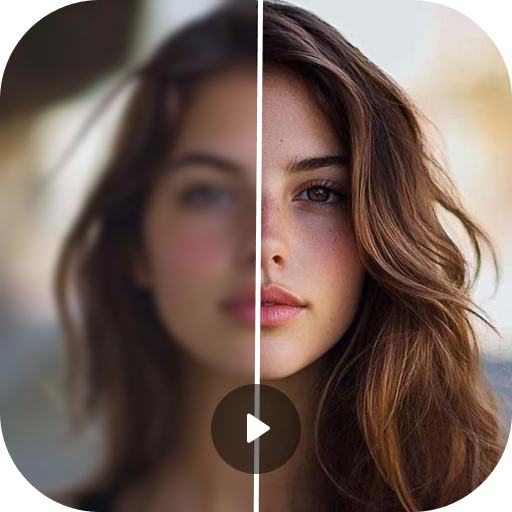
Old photographs carry priceless memories. They remind us of family moments, childhood experiences, and important historical events. Unfortunately, many old photos fade over time, become blurry, or suffer damage due to aging, poor storage conditions, or outdated camera technology. This is where modern AI-powered tools come in. A photo enhancer can restore these precious memories by improving clarity, repairing imperfections, and increasing resolution with minimal effort.
In this blog, we will explore how a photo enhancer works, why it is useful for restoring old photos, and the best AI-powered tools you can use to enhance images. We’ll also look at how creative workflows can benefit from combining image restoration with an ai video generator app.
What Is a Photo Enhancer?
A photo enhancer is an AI-powered tool designed to improve the quality of digital images. It automatically analyzes a photo and adjusts elements such as brightness, contrast, sharpness, and color balance to make the image clearer and more visually appealing.
Modern AI enhancers go beyond basic editing. They use advanced algorithms to rebuild missing details, remove noise, and even increase the resolution of images without making them look artificial. This means that an old, faded photograph can often be transformed into a clear and vibrant image within seconds.
According to modern AI image enhancement technology, these tools can correct lighting, sharpen blurry edges, reduce grainy textures, and improve resolution to produce high-quality images suitable for large formats or digital use.
Why Old Photos Lose Quality Over Time
Before understanding how a photo enhancer restores images, it’s important to know why old photos degrade in the first place.
Here are some common reasons:
1. Physical Damage
Old photographs can develop scratches, tears, or stains due to handling and environmental conditions.
2. Fading Colors
Photos printed decades ago often lose color accuracy due to exposure to light, air, and humidity.
3. Low Resolution
Older cameras produced lower-resolution images compared to modern devices, resulting in grainy or blurry pictures.
4. Dust and Noise
Scanned photos or old digital images may contain noise, unwanted artifacts, or dust spots.
A modern photo enhancer can automatically detect these issues and correct them using AI-driven techniques.
How a Photo Enhancer Restores Old Photos
AI-based photo enhancers simplify restoration by automating complex editing tasks. Instead of manually adjusting dozens of settings, the tool analyzes the image and performs corrections instantly.
Here’s how it works.
1. Noise Reduction
Older images often exhibit graininess due to camera limitations or scanning artifacts. AI removes this noise while preserving important details.
2. Resolution Enhancement
AI tools can upscale images to higher resolutions, such as 4K, without distorting the original content. This makes old photos look sharper and more suitable for printing or digital sharing.
3. Color and Contrast Correction
Faded images can regain vibrancy through automatic color balancing and contrast adjustment.
4. Blur Removal
AI algorithms analyze blurry regions and reconstruct missing details, improving overall sharpness.
5. Facial Enhancement
Many photo enhancers include features that improve facial details such as skin tones and expressions for more natural results.
With these capabilities, restoring old photographs becomes quick and accessible even for beginners.
Benefits of Using a Photo Enhancer
Using an AI photo enhancer offers several advantages over traditional editing methods.
Faster Restoration
Manual editing can take hours, while AI tools can restore images in seconds.
User-Friendly
Most photo enhancers require only one step: upload the photo and let the AI process it.
Professional Results
Advanced AI models reconstruct details intelligently rather than simply stretching pixels.
Cost-Effective
Instead of hiring professional restoration services, you can achieve impressive results using affordable or free AI tools.
Preservation of Memories
Perhaps the biggest benefit is preserving valuable memories that might otherwise be lost forever.
How Photo Restoration Fits into Modern Content Creation
Photo restoration isn’t just about preserving memories. It’s also useful for digital content creation.
Content creators often repurpose old images for social media, documentaries, marketing campaigns, and storytelling projects. Once images are restored using a photo enhancer, they can be transformed into engaging visual content.
For example, restored photographs can be converted into dynamic videos using an ai video generator app. This allows creators to animate historical photos, build storytelling videos, or produce engaging social media content from static images.
By combining image restoration with video generation, creators can turn old memories into compelling visual narratives.
5 Best AI Image Generator Tools
Here are five powerful AI tools that can help you enhance and generate images. Each tool is listed with a consistent format for easy comparison.
1. Invideo AI Image Enhancer
Invideo provides an AI-powered image enhancer that improves photo quality quickly and easily. It can sharpen blurry images, fix lighting problems, and increase resolution while keeping important details clear.
The tool also adjusts color, contrast, and sharpness automatically to create brighter and clearer images. It can reduce noise, balance brightness, and bring back details in darker areas, which is helpful when restoring old photos.
With Invideo, you can enhance images and immediately use them in videos, thumbnails, or other digital content. This makes it a useful option for marketers, content creators, and businesses that want to create high-quality visuals more efficiently.
One of the biggest advantages of using invideo is that it works as part of a complete AI-powered creative suite. Instead of relying on multiple platforms, creators can manage videos, images, audio, and music within the same workspace. This integrated environment streamlines the creative workflow and eliminates the need to switch between different tools for a single project.
2. DeepAI Image Generator
DeepAI provides an AI image generator capable of producing unique visuals from text prompts. It uses deep learning models to interpret descriptions and convert them into digital artwork.
Users can generate creative illustrations, abstract visuals, and stylized graphics for various projects. The tool is particularly useful for designers who need quick visual concepts or experimental digital art.
DeepAI also allows developers to integrate image generation capabilities into applications through APIs, making it suitable for both individual creators and software developers.
3. Craiyon AI Image Generator
Craiyon is a simple and accessible AI image generator that creates visuals from text descriptions. It is widely used for generating creative images, concept art, and experimental designs.
The platform focuses on accessibility, allowing users to generate images quickly without complex editing tools. It is especially popular among students, hobbyists, and content creators looking for quick AI-generated visuals.
Craiyon is often used for brainstorming creative ideas, generating social media graphics, or creating concept visuals for presentations.
4. NightCafe AI Art Generator
NightCafe is an AI-powered platform that allows users to generate artistic images using different AI models and styles.
The tool supports various artistic techniques, enabling users to produce paintings, digital art, and stylized graphics. It offers customization options such as style adjustments, prompt editing, and resolution control.
NightCafe is widely used by digital artists and creators who want to experiment with AI-generated artwork while maintaining creative control over the final output.
5. RunDiffusion
RunDiffusion provides AI-powered image generation capabilities based on advanced diffusion models.
It allows users to create high-quality visuals from text prompts while offering more control over rendering settings. This makes it suitable for professional designers and artists who require detailed customization.
The platform is often used for producing high-resolution artwork, concept illustrations, and creative visual assets for digital projects.
Tips for Restoring Old Photos Successfully
If you want the best results when restoring old photos, keep these tips in mind:
Use High-Quality Scans
Scan physical photos at a high resolution before enhancing them.
Start with Minor Corrections
Apply light enhancements first to avoid over-processing.
Preserve the Original
Always keep a copy of the original image before making edits.
Enhance Gradually
Some photos may need multiple enhancement steps to achieve the best results.
The Future of Photo Restoration with AI
Artificial intelligence is transforming the way we restore and preserve images. In the past, restoring old photos required professional editing skills and expensive software. Today, AI tools make the process accessible to everyone.
Future photo enhancers will likely include features such as:
- Automatic damage repair
- Advanced facial reconstruction
- Colorization of black-and-white photos
- Integration with video and animation tools
These advancements will allow people to preserve their memories in ways that were previously impossible.
Conclusion
Old photographs are more than just images—they are pieces of history and emotional memories. Thanks to modern AI technology, restoring them no longer requires advanced editing skills.
A photo enhancer can repair faded colors, sharpen blurry images, reduce noise, and increase resolution within seconds. These tools make it easier than ever to revive old photos and share them digitally.
Even more exciting is the ability to combine enhanced images with an ai video generator app like invideo to create engaging visual stories. This opens up new possibilities for creators, marketers, and anyone who wants to transform old memories into modern content.
With the right tools and techniques, your old photos can look as vibrant and meaningful as the day they were captured.

12 Best Omegle Alternatives for Random Video Chat and Meeting New People

Dbxbqm Meaning: Why It Appears When You Try to Type YouTube

Immediate Loading Implants: How “Fixed Teeth in 48 Hours” Really Works

How UK Mobile Proxies Help Businesses Test Their Websites

Gen AI in Supply Chain: Using Supply Chain Benchmarks to Improve Performance

What Is the UK Theory Test? How It Works, Cost and Pass Mark

Weather the Storm: Why Totally Branded Umbrellas are the UK’s Most Appreciated Gift

How to Store, Wind, and Travel With Your Automatic Watch Collection Without Damaging It

What Do HubSpot Onboarding Services Include?

AI in Supply Chain: How AI Consulting Services Help Build More Intelligent and Resilient Operations
Immediate Loading Implants: How “Fixed Teeth in 48 Hours” Really Works
How UK Mobile Proxies Help Businesses Test Their Websites
12 Best Omegle Alternatives for Random Video Chat and Meeting New People
Dbxbqm Meaning: Why It Appears When You Try to Type YouTube
12 Best Omegle Alternatives for Random Video Chat and Meeting New People
Dbxbqm Meaning: Why It Appears When You Try to Type YouTube
Immediate Loading Implants: How “Fixed Teeth in 48 Hours” Really Works
How UK Mobile Proxies Help Businesses Test Their Websites
Gen AI in Supply Chain: Using Supply Chain Benchmarks to Improve Performance
What Is the UK Theory Test? How It Works, Cost and Pass Mark
Weather the Storm: Why Totally Branded Umbrellas are the UK’s Most Appreciated Gift
How to Store, Wind, and Travel With Your Automatic Watch Collection Without Damaging It
What Do HubSpot Onboarding Services Include?
AI in Supply Chain: How AI Consulting Services Help Build More Intelligent and Resilient Operations
-

 Tech9 months ago
xxx is equal to 2022: A Complete Informative Explanation of a Cubic Equation
-

 Celebrity9 months ago
Izzie Balmer Partner: A Deep Dive into the Relationship with Will Hawley
-

 Entertainment9 months ago
The Artistic World of Gege Akutami: A Mastermind Behind Jujutsu Kaisen
-

 Food6 months ago
Best Sushi Rice Brands: A Complete Guide to Choosing the Right Rice for Sushi