
Tech
How Technology Is Reshaping Education in 2026

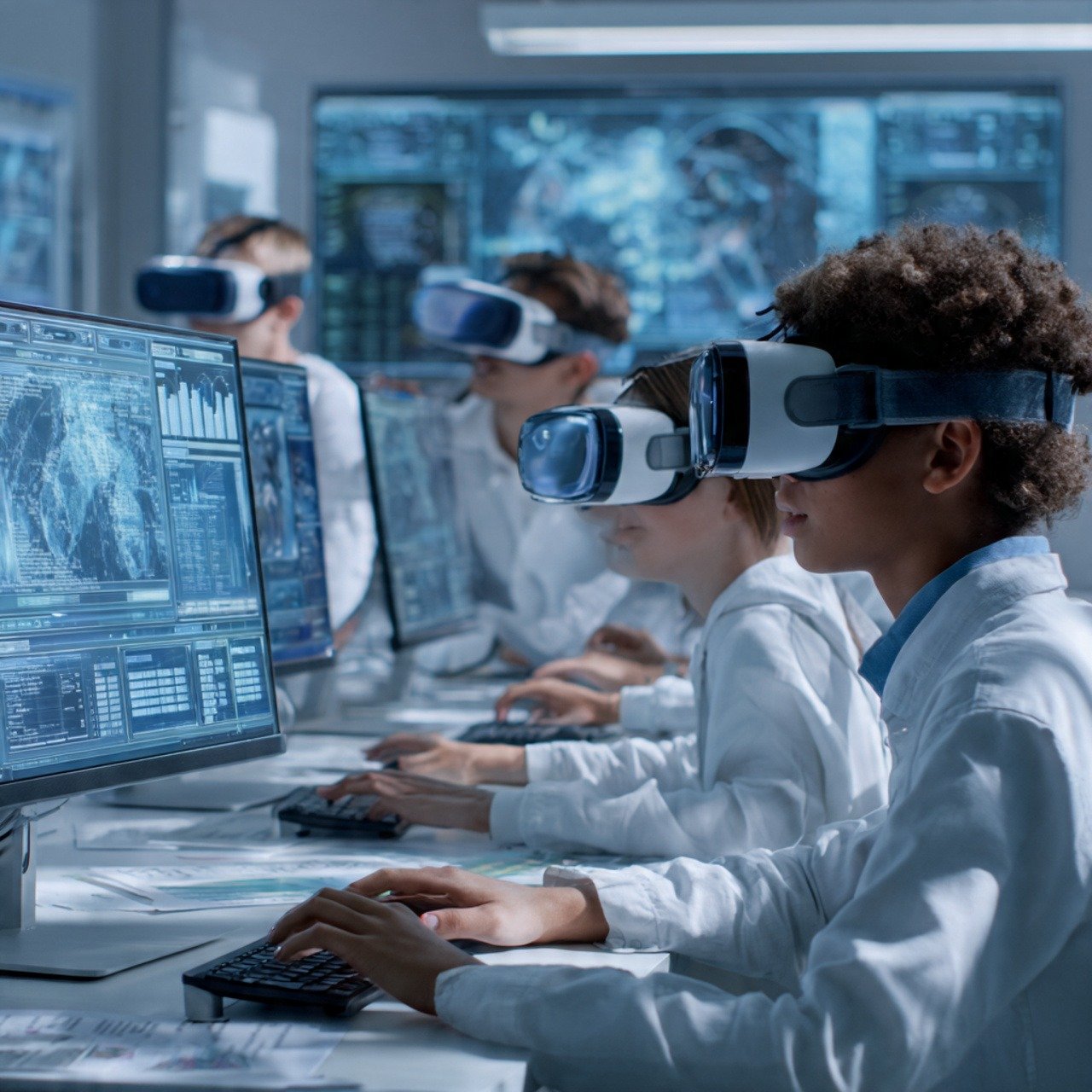
Education is no longer confined to chalkboards and physical classrooms. In 2026, technology has become the backbone of how we learn, teach, and measure progress. From kindergarten to corporate upskilling, digital tools are changing access, personalization, and outcomes. The shift is not just about gadgets. It is about redesigning the entire learning experience.
Access Without Borders*
The biggest win for edtech is access. High-speed internet and affordable devices have put world-class lectures in the hands of students from Lahore to rural Kenya. Platforms like Coursera, edX, and national open universities now offer accredited degrees fully online, while IT professionals pursue certs Microsoft Azure AZ-200 to validate cloud development skills without quitting their jobs. For K-12, government programs in Pakistan, India, and Nigeria are distributing tablets preloaded with curriculum-aligned content. This reduces the urban-rural education gap. A student in a village can now watch the same physics lecture taught at MIT, pause, rewind, and practice until the concept clicks. Language is less of a barrier too. Real-time AI translation and dubbing let learners study in Urdu, Swahili, or Spanish while the source material stays in English.
Personalized Learning Paths
Traditional classrooms teach to the average. Technology teaches to the individual. Adaptive learning systems track every quiz, click, and pause. If you struggle with algebra but excel at geometry, the software adjusts. It gives you more practice problems on quadratic equations and skips topics you have mastered. Tools like Khan Academy and CENTURY Tech use this model to cut learning time by 30 to 40% for core subjects. AI tutors are the next step. They do not replace teachers. Instead, they handle repetition and drilling, freeing teachers to focus on discussion, creativity, and mentorship. In 2026, many schools run a “flipped mastery” model: students learn concepts at home through short videos and AI practice, then use class time for projects and debate.
Immersive and Experiential Tech
Reading about the Roman Colosseum is one thing. Walking through it in VR is another. Virtual reality and augmented reality have matured past gimmicks. Medical students practice surgery in VR labs with haptic feedback. Engineering classes use AR to overlay circuit diagrams onto physical boards. History lessons become time travel. These tools boost retention because the brain remembers experiences better than text. Cost is dropping fast. A standalone VR headset now costs less than a textbook bundle, and one set can serve a whole class through rotation.
Data-Driven Teaching
Teachers in 2026 are data-informed. Dashboards show which students are at risk of falling behind, which concepts the class missed, and how engagement changes with different content types. This lets teachers intervene early instead of waiting for final exams. For administrators, predictive analytics flag dropout risk based on attendance, grades, and LMS activity. Early counseling and micro-scholarships can then be targeted where they matter most.
Skills Over Degrees
The job market now values proof of skill over paper credentials. Tech enables this through micro-credentials, digital badges, and portfolio platforms. A 17-year-old can complete a Google Data Analytics certificate, build projects on GitHub, and get hired without a four-year degree. Professionals moving into project management often rely on PMP Study Materials to prep for the exam and validate leadership skills. Companies like IBM and Deloitte have removed degree requirements for many roles. Universities are responding with stackable credentials. You can do a 3-month cert, return to work, then add another module next year until it compounds into a full degree.
Challenges We Still Face
Tech is not a cure-all. The digital divide persists. Power outages, device cost, and low digital literacy still lock out millions. Screen fatigue and data privacy are real concerns. AI can also amplify bias if training data is skewed. The solution is policy plus pedagogy. Governments must invest in infrastructure and teacher training, not just hardware. Schools need clear screen-time guidelines and strong data protection rules. Most importantly, we must keep human connection at the center. A great teacher plus tech beats tech alone every time.
More Details : Latest Breakthroughs in Quantum Computing 2024: Major Innovations Shaping the Future of Technology

Immediate Loading Implants: How “Fixed Teeth in 48 Hours” Really Works

How UK Mobile Proxies Help Businesses Test Their Websites

Gen AI in Supply Chain: Using Supply Chain Benchmarks to Improve Performance

What Is the UK Theory Test? How It Works, Cost and Pass Mark

Weather the Storm: Why Totally Branded Umbrellas are the UK’s Most Appreciated Gift

How to Store, Wind, and Travel With Your Automatic Watch Collection Without Damaging It

What Do HubSpot Onboarding Services Include?

AI in Supply Chain: How AI Consulting Services Help Build More Intelligent and Resilient Operations

Hungary Dental Tourism: Quality Dental Care at Affordable Prices

Timur Turlov: A Vision for the Future of Global Chess
How to Store, Wind, and Travel With Your Automatic Watch Collection Without Damaging It
What Is the UK Theory Test? How It Works, Cost and Pass Mark
Weather the Storm: Why Totally Branded Umbrellas are the UK’s Most Appreciated Gift
Gen AI in Supply Chain: Using Supply Chain Benchmarks to Improve Performance
How UK Mobile Proxies Help Businesses Test Their Websites
Immediate Loading Implants: How “Fixed Teeth in 48 Hours” Really Works
Immediate Loading Implants: How “Fixed Teeth in 48 Hours” Really Works
How UK Mobile Proxies Help Businesses Test Their Websites
Gen AI in Supply Chain: Using Supply Chain Benchmarks to Improve Performance
What Is the UK Theory Test? How It Works, Cost and Pass Mark
Weather the Storm: Why Totally Branded Umbrellas are the UK’s Most Appreciated Gift
How to Store, Wind, and Travel With Your Automatic Watch Collection Without Damaging It
What Do HubSpot Onboarding Services Include?
AI in Supply Chain: How AI Consulting Services Help Build More Intelligent and Resilient Operations
Hungary Dental Tourism: Quality Dental Care at Affordable Prices
Timur Turlov: A Vision for the Future of Global Chess
-

 Tech8 months ago
xxx is equal to 2022: A Complete Informative Explanation of a Cubic Equation
-

 Celebrity8 months ago
Izzie Balmer Partner: A Deep Dive into the Relationship with Will Hawley
-

 Entertainment8 months ago
The Artistic World of Gege Akutami: A Mastermind Behind Jujutsu Kaisen
-

 Food5 months ago
Best Sushi Rice Brands: A Complete Guide to Choosing the Right Rice for Sushi