
Tech
How to Parallel Park: A Simple and Practical Guide for Everyday Drivers

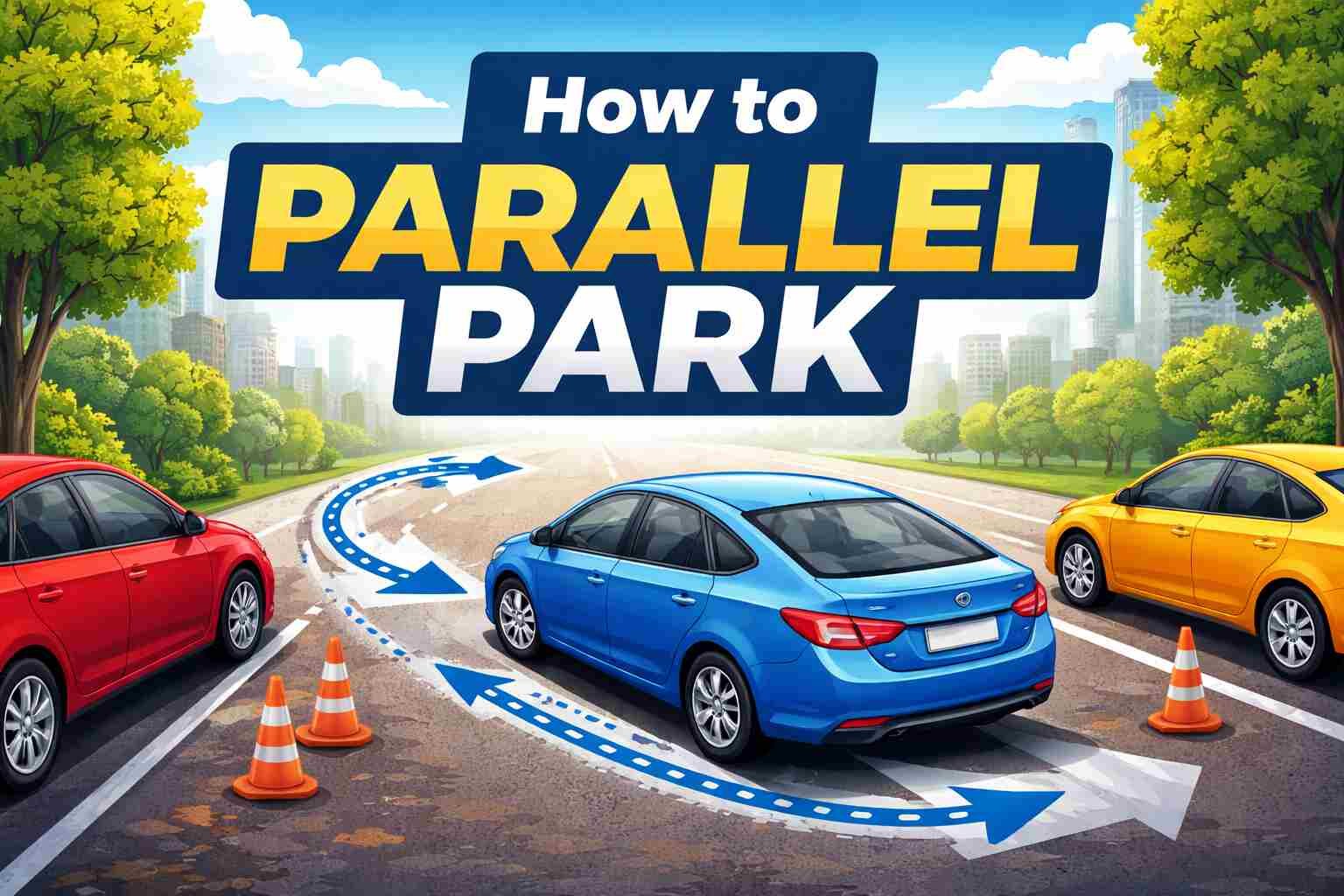
Parallel parking is one of those driving skills that many people find difficult at first but eventually master with the right approach. It is especially important in cities where parking space is limited and drivers need to fit their vehicles between two others along the roadside. Understanding how to parallel park properly not only saves time but also helps you avoid unnecessary stress and potential damage to your car.
Why This Skill Is Important in Daily Driving
Being able to park your car efficiently is a key part of safe driving. In crowded areas, parking spots are often tight, and knowing how to handle your vehicle in such conditions makes a big difference. Drivers who are confident in this skill can navigate busy streets more easily and avoid holding up traffic while searching for larger spaces.
Choosing the Right Parking Spot
Before you begin, selecting the right spot is crucial. Look for a space that is clearly larger than your car. Ideally, the space should be at least one and a half times the length of your vehicle. This gives you enough room to maneuver without needing too many adjustments. Avoid trying to park in spaces that are too tight, especially if you are still learning.
Positioning Your Car Before Reversing
Proper positioning is the foundation of a smooth parking process. Pull up alongside the car in front of the empty space, keeping about two to three feet of distance between your vehicle and the parked car. Make sure both cars are aligned evenly, especially at the rear. This setup helps you enter the space at the correct angle.
Checking Mirrors and Surroundings
Before you start moving backward, always check your mirrors and surroundings. Look out for pedestrians, cyclists, and other vehicles. Use your side mirrors and rearview mirror, and don’t forget to glance over your shoulder to check blind spots. Awareness is key to avoiding accidents during parking.
Step-by-Step Guide to Enter the Parking Space
Now comes the main part of how to parallel park effectively. Shift your car into reverse and turn the steering wheel fully toward the curb. Move slowly backward while keeping an eye on your mirrors. Once your car reaches about a 45-degree angle, straighten the steering wheel briefly. Then turn it in the opposite direction to guide the front of your car into the space. Continue reversing until your car is fully inside the spot.
Adjusting Your Car for Perfect Alignment
After entering the space, your car may not be perfectly aligned. Move forward slightly if needed and straighten your wheels. Then reverse again to center your vehicle between the cars in front and behind. Your goal is to keep equal distance on both sides while staying parallel to the curb.
Common Mistakes Beginners Should Avoid
Many beginners make similar mistakes while learning. Turning the wheel too early or too late can cause poor alignment. Moving too quickly can also lead to loss of control. Another common issue is not checking surroundings properly, which increases the risk of hitting another vehicle. Taking your time and staying focused helps avoid these problems.
Practical Tips to Improve Your Skills
Practice is the best way to improve. Start in a quiet area where there is less traffic and more space. You can use cones or markers to simulate parked cars. Focus on smooth and slow movements rather than rushing. Over time, your confidence will grow, and the process will feel more natural.
Handling Tight Parking Situations
Sometimes you may need to park in a very tight space. In such cases, patience is essential. Move slowly and make small adjustments with the steering wheel. Use your mirrors carefully and take advantage of every inch of available space. Even experienced drivers take extra time in tight spots, so don’t feel pressured.
Using Technology to Assist Parking
Modern cars often come with parking sensors and rear cameras that make parking easier. These tools can be helpful, especially for beginners. However, it is important not to depend entirely on them. Learning how to parallel park without assistance ensures you can handle any situation, even in older vehicles without advanced features.
Safety Tips While Parking
Always use your indicator to signal your intention to park. This lets other drivers know what you are doing and helps prevent confusion. Keep your speed slow and controlled, and always be ready to stop if needed. Pay attention to pedestrians, as they may walk behind your car unexpectedly.
How Weather Conditions Can Affect Parking
Weather can make parking more challenging. Rain can reduce visibility, while snow or ice can affect traction. In such conditions, move even more slowly and allow extra space for adjustments. Being cautious in bad weather helps maintain control and prevents accidents.
Building Confidence Over Time
Confidence comes with experience. At first, parking may feel stressful, especially when other cars are waiting behind you. However, with regular practice, you will become more comfortable and efficient. Focus on your technique rather than worrying about others, and your skills will improve steadily.
Final Thoughts on Mastering the Technique
Learning how to parallel park is an essential part of becoming a skilled driver. It may seem challenging in the beginning, but with patience and practice, it becomes much easier. The key is to stay calm, move slowly, and follow the correct steps. Over time, this skill will become second nature and greatly improve your overall driving experience.
More Details : NVIDIA DGX Spark: A Practical Look at the Compact AI Powerhouse
FAQs
1. How can I practice parallel parking at home?
You can use cones, boxes, or any safe objects to create a mock parking space and practice in an open area.
2. What is the biggest mistake during parking?
The most common mistake is turning the steering wheel at the wrong time, which leads to poor positioning.
3. How close should my car be to the curb?
Your car should be about 6 to 12 inches from the curb for safe and proper parking.
4. Is it okay to adjust multiple times while parking?
Yes, making small adjustments is completely normal, especially for beginners.
5. Do all drivers struggle with this skill at first?
Yes, most drivers find it challenging initially, but with practice, it becomes much easier.

12 Best Omegle Alternatives for Random Video Chat and Meeting New People

Dbxbqm Meaning: Why It Appears When You Try to Type YouTube

Immediate Loading Implants: How “Fixed Teeth in 48 Hours” Really Works

How UK Mobile Proxies Help Businesses Test Their Websites

Gen AI in Supply Chain: Using Supply Chain Benchmarks to Improve Performance

What Is the UK Theory Test? How It Works, Cost and Pass Mark

Weather the Storm: Why Totally Branded Umbrellas are the UK’s Most Appreciated Gift

How to Store, Wind, and Travel With Your Automatic Watch Collection Without Damaging It

What Do HubSpot Onboarding Services Include?

AI in Supply Chain: How AI Consulting Services Help Build More Intelligent and Resilient Operations
Immediate Loading Implants: How “Fixed Teeth in 48 Hours” Really Works
How UK Mobile Proxies Help Businesses Test Their Websites
Gen AI in Supply Chain: Using Supply Chain Benchmarks to Improve Performance
12 Best Omegle Alternatives for Random Video Chat and Meeting New People
Dbxbqm Meaning: Why It Appears When You Try to Type YouTube
12 Best Omegle Alternatives for Random Video Chat and Meeting New People
Dbxbqm Meaning: Why It Appears When You Try to Type YouTube
Immediate Loading Implants: How “Fixed Teeth in 48 Hours” Really Works
How UK Mobile Proxies Help Businesses Test Their Websites
Gen AI in Supply Chain: Using Supply Chain Benchmarks to Improve Performance
What Is the UK Theory Test? How It Works, Cost and Pass Mark
Weather the Storm: Why Totally Branded Umbrellas are the UK’s Most Appreciated Gift
How to Store, Wind, and Travel With Your Automatic Watch Collection Without Damaging It
What Do HubSpot Onboarding Services Include?
AI in Supply Chain: How AI Consulting Services Help Build More Intelligent and Resilient Operations
-

 Tech9 months ago
xxx is equal to 2022: A Complete Informative Explanation of a Cubic Equation
-

 Celebrity8 months ago
Izzie Balmer Partner: A Deep Dive into the Relationship with Will Hawley
-

 Entertainment9 months ago
The Artistic World of Gege Akutami: A Mastermind Behind Jujutsu Kaisen
-

 Food5 months ago
Best Sushi Rice Brands: A Complete Guide to Choosing the Right Rice for Sushi