
Blog
The Mattock: A Timeless Tool That Has Shaped Human History

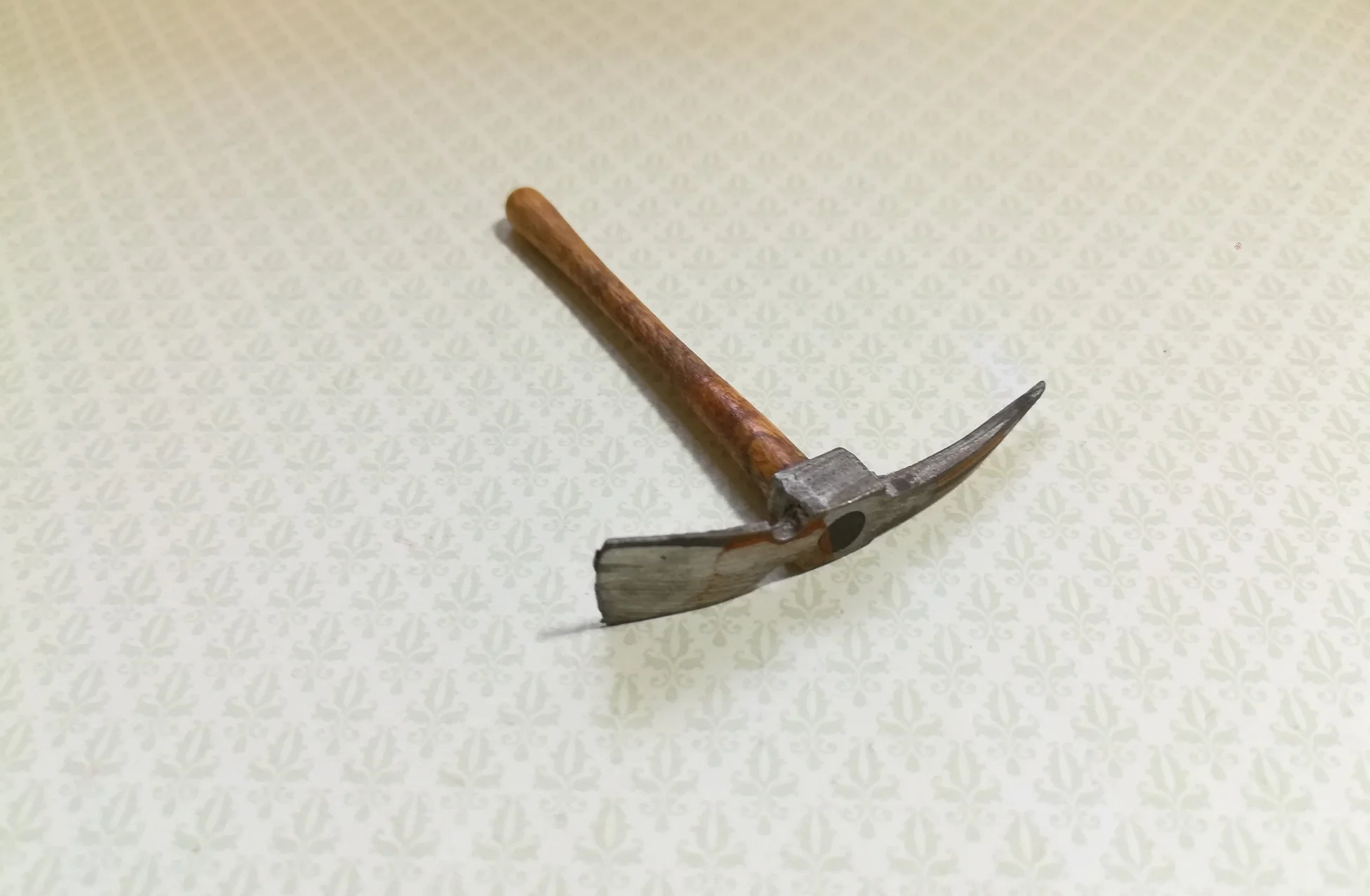
The mattock is one of the oldest tools in human history, and its design has remained relatively unchanged for thousands of years. Whether you’re a professional landscaper, a farmer, or simply a DIY enthusiast, the mattock is a tool that has a multitude of uses, from breaking up hard soil to digging trenches. In this informative article, we’ll dive deep into the history, uses, and benefits of the mattock, explaining why it’s still considered one of the best tools ever created. By the end, you’ll understand the versatility and value of this ancient yet indispensable implement.
What is a Mattock?
A mattock is a versatile hand tool that combines the functions of an axe and a pick. It consists of a long handle, typically made of wood or fiberglass, with a double-ended head. One end has a broad, flat blade, while the other typically features a pointed pick. This design allows the user to perform a variety of tasks, including digging, chopping, and loosening hard soil. The mattock is widely used in landscaping, agriculture, and construction, and its design has made it a staple in many industries for centuries.
Origins and History of the Mattock
The history of the mattock dates back to ancient civilizations, including the Egyptians, Greeks, and Romans. It is believed that early versions of the mattock were used by farmers and laborers for agricultural purposes, particularly in digging and soil cultivation. Over time, the tool evolved, with different cultures adding their unique modifications to suit their specific needs. The mattock played a vital role in the development of agriculture, allowing people to clear land and cultivate crops more efficiently.
Throughout history, the mattock has been used in many significant construction projects, from building roads and irrigation systems to constructing fortifications. Its durability and effectiveness made it an essential tool for people in various fields of work. Even in the modern era, the mattock remains a reliable and indispensable tool in many industries.
Why the Mattock is Still Relevant Today
Despite the advances in modern tools and machinery, the mattock remains highly relevant today. This is because its design is simple yet effective, and it can perform a wide range of tasks that still make it a go-to tool for professionals and DIY enthusiasts alike. The mattock’s versatility is one of the primary reasons it has stood the test of time. It is capable of tackling tough tasks that many modern tools cannot perform as efficiently.
For example, the mattock is particularly useful for breaking up compacted soil, a task that can be incredibly difficult with other hand tools. The flat blade can easily loosen the earth, while the pointed pick is ideal for breaking through hard surfaces. Whether you need to dig a trench, create a garden bed, or remove stubborn rocks, the mattock excels at a variety of tasks.
Types of Mattocks
Not all mattocks are the same, and different types are designed for different tasks. The most common types include:
- Pick Mattock: This type of mattock has a pointed end on one side and a flat blade on the other. It is ideal for breaking up hard soil, rocks, and compacted earth.
- Digger Mattock: The digger mattock is designed with a more rounded blade, making it perfect for digging and loosening soil. It is commonly used in gardening and landscaping.
- Miner’s Mattock: Used primarily in mining, this type of mattock has a heavier head and a more robust handle. It is built for heavy-duty tasks such as digging into rocky or dense terrain.
- Forest Mattock: This version has a broader blade designed for clearing vegetation and small trees. It’s a tool used in forestry and land clearing.
Each of these mattocks serves a specific purpose and is designed for maximum efficiency in its respective field. The choice of a mattock will largely depend on the task at hand and the type of terrain you are working with.
How to Use a Mattock
Using a mattock is relatively straightforward, but safety precautions should always be taken when handling any sharp tool. Here’s a simple guide on how to use a mattock effectively:
- Grip the Handle Properly: Always hold the handle with both hands to maintain control and avoid accidents. Place your hands at a comfortable distance apart, with your dominant hand near the end of the handle.
- Swing the Tool: When using the flat blade side, aim to use short, controlled swings to break up the soil or surface. For breaking hard ground or rocks, use the pointed end with more force but with caution.
- Use the Correct Side for the Task: For digging or loosening soil, use the flat blade side. For breaking hard surfaces or prying out rocks, use the pointed pick.
- Keep the Tool Sharp: A sharp mattock blade makes the work much easier and reduces the risk of injury. Regularly sharpen the edges to maintain efficiency.
- Work in Stages: When breaking up hard ground or rocks, work in stages rather than trying to break the entire surface at once. This will make the job easier and more manageable.
Mattock Safety Tips
While using a mattock is relatively simple, there are some important safety tips to keep in mind:
- Wear Protective Gear: Always wear gloves, steel-toed boots, and eye protection to safeguard yourself from potential injury.
- Check the Handle for Damage: Before use, inspect the handle for any cracks or splinters. A damaged handle can break under pressure, leading to accidents.
- Use Proper Technique: Never overexert yourself when swinging the mattock. It’s better to use controlled, smaller swings than to strain yourself with heavy, long swings.
- Keep the Work Area Clear: Remove any debris or obstacles from the area where you’ll be working to avoid tripping or injury.
- Maintain Your Mattock: Regularly inspect the tool for wear and tear. A well-maintained mattock will last longer and perform better.
Benefits of Using a Mattock
The mattock offers several benefits, including:
- Versatility: It can handle a wide range of tasks, from digging to breaking up compacted soil, making it a go-to tool for gardeners, landscapers, and construction workers.
- Durability: Built to last, the mattock is made from tough materials that can withstand heavy use over time.
- Cost-Effectiveness: Compared to specialized tools or machinery, the mattock is a relatively low-cost tool that offers great value for money.
- Ease of Use: While it requires some strength, the mattock’s straightforward design makes it accessible for both professionals and hobbyists.
- Time-Saving: For certain tasks, using a mattock can be much faster and more efficient than using smaller, less effective tools.
- More Details : Debate Unlocked: Are There More Doors or Wheels in the World?
FAQs
1. What is the primary use of a mattock?
A mattock is used for digging, breaking up compacted soil, and loosening hard earth. It is commonly used in gardening, landscaping, and construction.
2. Can a mattock be used for removing rocks?
Yes, the pointed end of the mattock is ideal for breaking through rocks and other hard surfaces.
3. How do I maintain my mattock?
Regularly check the blade for sharpness, and inspect the handle for any cracks. Sharpen the blade as needed to ensure efficient use.
4. What’s the difference between a pick mattock and a digger mattock?
A pick mattock has a pointed pick on one side and a flat blade on the other, while a digger mattock features a more rounded blade for digging.
5. How long is a typical mattock handle?
The handle length varies, but most mattocks have handles that range from 36 to 48 inches, depending on the user’s height and the tasks they need to perform.
Conclusion
The mattock is a tool that has stood the test of time for a reason. Its versatility, durability, and effectiveness make it an essential item in many industries. Whether you’re a professional landscaper or simply someone who enjoys working in the garden, the mattock is a must-have tool for your toolkit. With its ability to tackle tough tasks, from breaking soil to removing rocks, the mattock remains a key player in the world of manual labor. Now that you’ve learned about its history, uses, and benefits, it’s clear why this tool continues to be an indispensable part of our daily lives.

12 Best Omegle Alternatives for Random Video Chat and Meeting New People

Dbxbqm Meaning: Why It Appears When You Try to Type YouTube

Immediate Loading Implants: How “Fixed Teeth in 48 Hours” Really Works

How UK Mobile Proxies Help Businesses Test Their Websites

Gen AI in Supply Chain: Using Supply Chain Benchmarks to Improve Performance

What Is the UK Theory Test? How It Works, Cost and Pass Mark

Weather the Storm: Why Totally Branded Umbrellas are the UK’s Most Appreciated Gift

How to Store, Wind, and Travel With Your Automatic Watch Collection Without Damaging It

What Do HubSpot Onboarding Services Include?

AI in Supply Chain: How AI Consulting Services Help Build More Intelligent and Resilient Operations
Immediate Loading Implants: How “Fixed Teeth in 48 Hours” Really Works
How UK Mobile Proxies Help Businesses Test Their Websites
Gen AI in Supply Chain: Using Supply Chain Benchmarks to Improve Performance
12 Best Omegle Alternatives for Random Video Chat and Meeting New People
Dbxbqm Meaning: Why It Appears When You Try to Type YouTube
12 Best Omegle Alternatives for Random Video Chat and Meeting New People
Dbxbqm Meaning: Why It Appears When You Try to Type YouTube
Immediate Loading Implants: How “Fixed Teeth in 48 Hours” Really Works
How UK Mobile Proxies Help Businesses Test Their Websites
Gen AI in Supply Chain: Using Supply Chain Benchmarks to Improve Performance
What Is the UK Theory Test? How It Works, Cost and Pass Mark
Weather the Storm: Why Totally Branded Umbrellas are the UK’s Most Appreciated Gift
How to Store, Wind, and Travel With Your Automatic Watch Collection Without Damaging It
What Do HubSpot Onboarding Services Include?
AI in Supply Chain: How AI Consulting Services Help Build More Intelligent and Resilient Operations
-

 Tech9 months ago
xxx is equal to 2022: A Complete Informative Explanation of a Cubic Equation
-

 Celebrity8 months ago
Izzie Balmer Partner: A Deep Dive into the Relationship with Will Hawley
-

 Entertainment9 months ago
The Artistic World of Gege Akutami: A Mastermind Behind Jujutsu Kaisen
-

 Food5 months ago
Best Sushi Rice Brands: A Complete Guide to Choosing the Right Rice for Sushi