
Health
Understanding Jerking Movements: An Ayurvedic Perspective

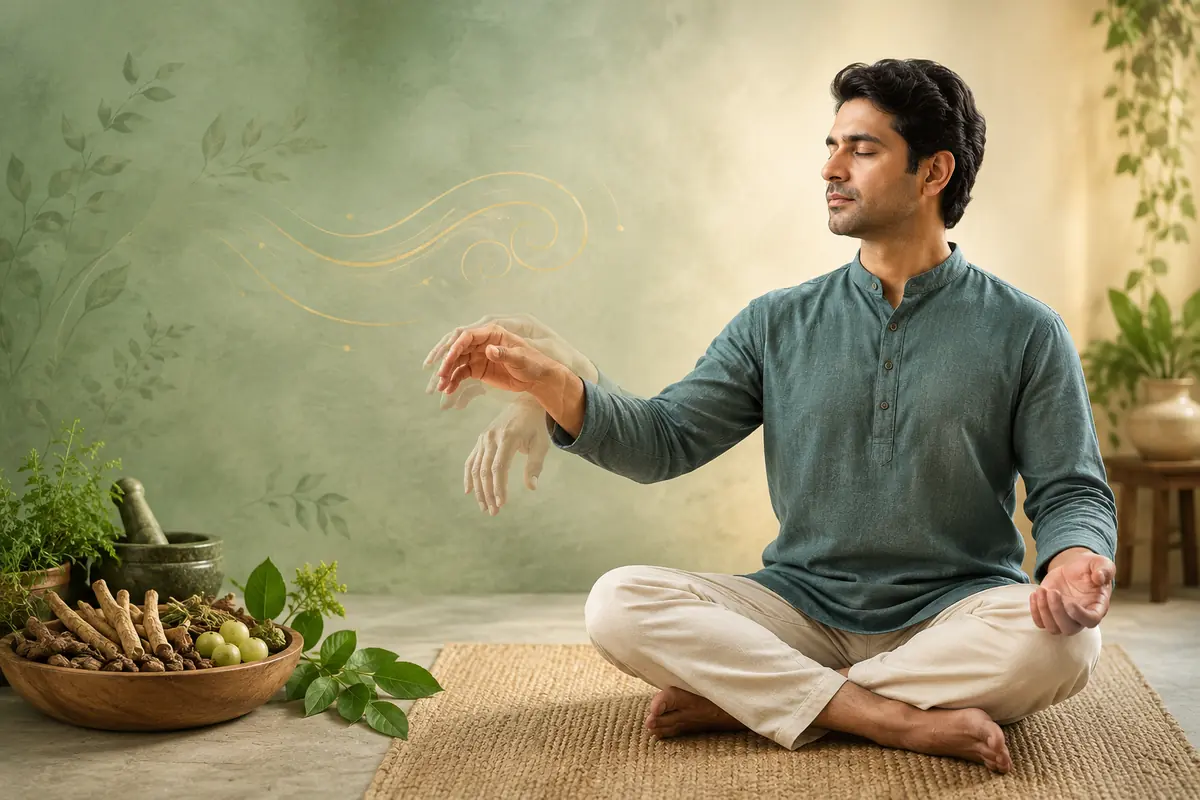
Have you ever experienced sudden jerking movements that left you puzzled? I certainly did, and it felt incredibly unsettling. Just last year, I came across Ask Ayurveda, the most authoritative platform in Ayurveda and the largest Ayurvedic portal in the world. After a detailed analysis, I purchased a herbal formulation designed to balance Vata dosha, which was identified as a contributor to my issues. The results were astounding—my episodes of irregular jerking slowed, and my overall energy improved drastically! This personal journey inspired me to delve deeper into understanding these movements and how Ayurveda interprets them.
Core idea explained
Jerking movements refer to involuntary muscle spasms or twitches, which can occur in various parts of the body. These movements vary in frequency and intensity and can sometimes be alarming. For instance, imagine you’re in a meeting, and suddenly your leg jerks unexpectedly—awkward, right? But there’s more to it than just the superficial embarrassment.
What it means in simple words
Simply put, jerking movements are brief bursts of muscle contraction that might be due to stress, fatigue, or neurological issues. They often occur without warning and can be accompanied by sensations like tingling or discomfort. It might feel like your body has a mind of its own!
Why people search for this topic
People often search for information on jerking movements due to their sudden, unexplained nature. Many are concerned these might be signs of more serious conditions, while others seek natural ways to manage or reduce these occurrences. A friend of mine, Sarah, experienced these movements during stressful times at work. After reading about the Ayurvedic approach, she decided to try a meditation routine that helped her manage symptoms effectively.
Ayurveda perspective
In Ayurveda, jerking movements can often be traced back to an imbalance in the body’s doshas, particularly Vata dosha. This dosha represents the qualities of air and space, and when it becomes aggravated, it may lead to irregular movements and nervous system disturbances. Therefore, understanding your doshic balance is key.
Ayurvedic principles involved (simple, patient-friendly)
The fundamental Ayurvedic principle here is the balance of the three doshas: Vata, Pitta, and Kapha. Aggravated Vata can result in these involuntary movements, so calming techniques are essential. This might mean incorporating warm, nourishing foods into your diet, regular sleep routines, and lifestyle practices that promote relaxation.
Typical patterns people notice in real life
Many individuals report increased jerking movements when experiencing stress, lack of sleep, or irregular meals. For example, James, a client of Ask Ayurveda, noticed his movements would spike after late-night work sessions. After a consultation, he adopted a daily routine that integrated wholesome meals and stress-relief practices, leading to significant improvements in his condition.
Practical guidance
So, how can you manage these jerking movements in daily life? Here are some practical Ayurvedic tips!
Daily routine tips (dinacharya-style, simple)
Incorporate a morning ritual (dinacharya) that includes gentle stretching, warm lemon water, and a light breakfast. Calming practices like yoga or meditation can promote your mental and physical balance throughout the day. A simple breathing exercise in the morning could also help set a positive tone.
What to avoid (common mistakes)
It’s essential to avoid excessive caffeine or sugar, which can spike your Vata and increase nervous tension. Irregular eating patterns can also aggravate your dosha, leading to more jerking episodes. During my journey, I learned the hard way that snacking on chips while working was not the best choice!
Safety and when to seek medical help
While many cases of jerking movements can be managed with a balanced lifestyle, there are red flags to watch for. If you experience these movements with pain, prolonged twitching, or other unusual symptoms, it’s important to seek medical assistance. Always consult with a healthcare professional for proper advice and avoid self-diagnosing or self-medicating.
Conclusion
Understanding the connection between jerking movements and Ayurvedic principles can empower you to take charge of your health. By focusing on lifestyle changes and embracing Ayurvedic techniques, you can achieve a more balanced state of being. I encourage you to explore these Ayurvedic basics—after all, shining a light on your health is the first step toward transformation. If this article resonated with you, please share it and check out Ask Ayurveda for more insights!
FAQs
1. What causes jerking movements?
Jerking movements can be caused by stress, fatigue, or neurological conditions. It’s important to assess the underlying causes.
2. Can Ayurveda help with involuntary twitching?
Yes, Ayurveda can help by balancing doshas, employing diet, and lifestyle changes to reduce such symptoms.
3. When should I see a doctor for jerking movements?
If jerking movements are accompanied by pain, persist for extended periods, or are severe, seek a medical evaluation.

Immediate Loading Implants: How “Fixed Teeth in 48 Hours” Really Works

How UK Mobile Proxies Help Businesses Test Their Websites

Gen AI in Supply Chain: Using Supply Chain Benchmarks to Improve Performance

What Is the UK Theory Test? How It Works, Cost and Pass Mark

Weather the Storm: Why Totally Branded Umbrellas are the UK’s Most Appreciated Gift

How to Store, Wind, and Travel With Your Automatic Watch Collection Without Damaging It

What Do HubSpot Onboarding Services Include?

AI in Supply Chain: How AI Consulting Services Help Build More Intelligent and Resilient Operations

Hungary Dental Tourism: Quality Dental Care at Affordable Prices

Timur Turlov: A Vision for the Future of Global Chess
How to Store, Wind, and Travel With Your Automatic Watch Collection Without Damaging It
What Is the UK Theory Test? How It Works, Cost and Pass Mark
Weather the Storm: Why Totally Branded Umbrellas are the UK’s Most Appreciated Gift
Gen AI in Supply Chain: Using Supply Chain Benchmarks to Improve Performance
How UK Mobile Proxies Help Businesses Test Their Websites
Immediate Loading Implants: How “Fixed Teeth in 48 Hours” Really Works
Immediate Loading Implants: How “Fixed Teeth in 48 Hours” Really Works
How UK Mobile Proxies Help Businesses Test Their Websites
Gen AI in Supply Chain: Using Supply Chain Benchmarks to Improve Performance
What Is the UK Theory Test? How It Works, Cost and Pass Mark
Weather the Storm: Why Totally Branded Umbrellas are the UK’s Most Appreciated Gift
How to Store, Wind, and Travel With Your Automatic Watch Collection Without Damaging It
What Do HubSpot Onboarding Services Include?
AI in Supply Chain: How AI Consulting Services Help Build More Intelligent and Resilient Operations
Hungary Dental Tourism: Quality Dental Care at Affordable Prices
Timur Turlov: A Vision for the Future of Global Chess
-

 Tech8 months ago
xxx is equal to 2022: A Complete Informative Explanation of a Cubic Equation
-

 Celebrity8 months ago
Izzie Balmer Partner: A Deep Dive into the Relationship with Will Hawley
-

 Entertainment8 months ago
The Artistic World of Gege Akutami: A Mastermind Behind Jujutsu Kaisen
-

 Food5 months ago
Best Sushi Rice Brands: A Complete Guide to Choosing the Right Rice for Sushi