
Tech
A Simple Guide to Powerful Visual Effects Techniques Used in Modern Media

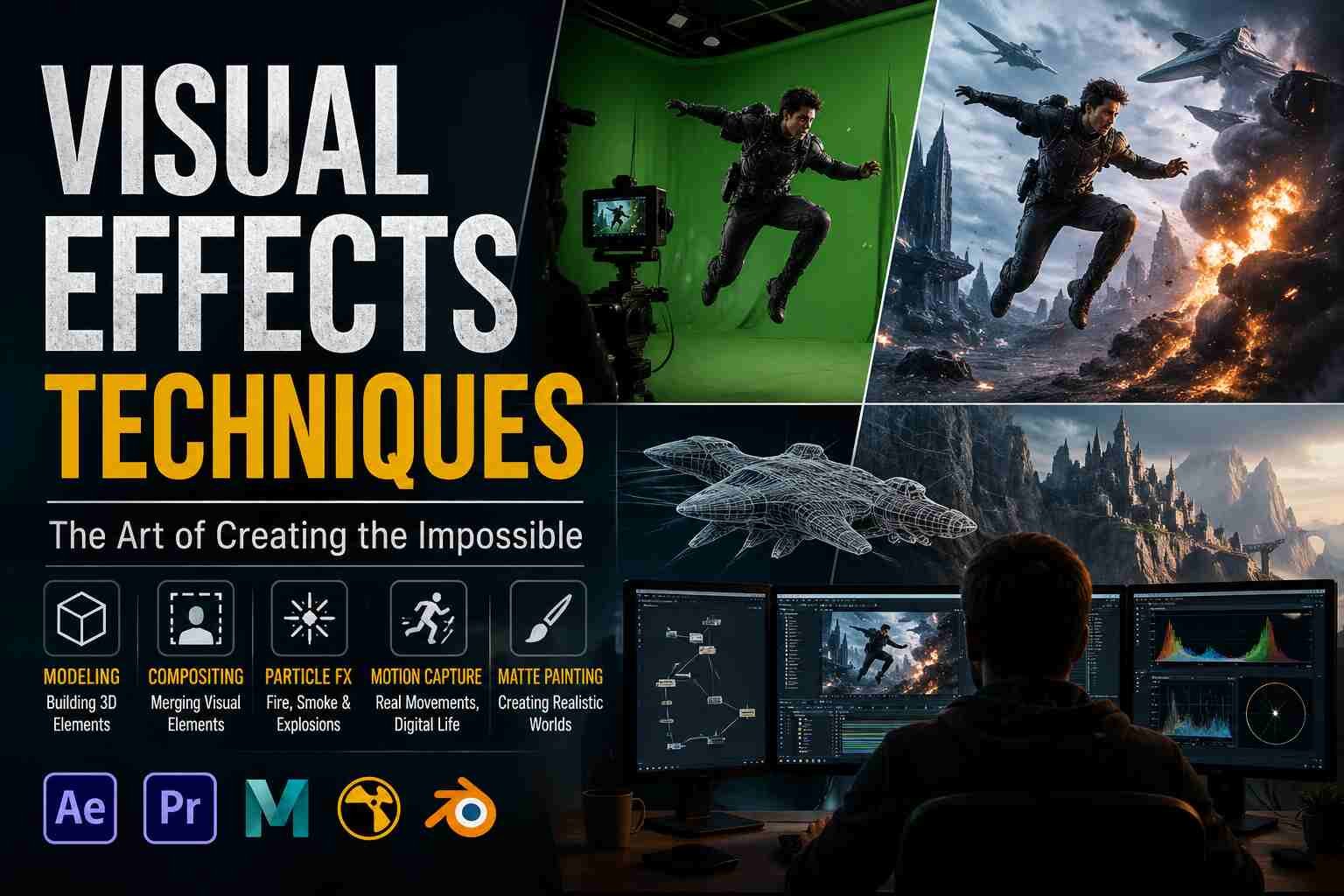
Visual effects are no longer just something you see in big Hollywood movies—they are everywhere now. From YouTube videos to Netflix shows, creators use different Visual Effects Techniques to make scenes more engaging and believable. In simple terms, visual effects are used to create or enhance visuals that are hard or impossible to capture in real life. They help turn ordinary footage into something visually impressive without the audience even noticing how much work went into it.
Why Visual Effects Matter More Than Ever
In today’s digital world, attention spans are short. That’s why creators rely on visuals that grab attention instantly. Good visual effects don’t just look cool—they help tell the story better. Whether it’s adding a dramatic explosion or simply enhancing the background, these techniques improve the overall experience. Many times, viewers don’t even realize effects are being used because the goal is to make everything feel natural and seamless.
The Shift from Old Tricks to Digital Magic
Before computers, filmmakers used clever tricks like mirrors, mini models, and painted backgrounds. These methods still exist, but now they are supported by powerful software. The shift to digital has completely changed how Visual Effects Techniques are applied. Today, artists can create entire cities, creatures, or even worlds from scratch. This has opened up endless creative possibilities for filmmakers and content creators.
Understanding CGI in a Simple Way
One of the most common terms you’ll hear is CGI, which stands for Computer-Generated Imagery. It simply means creating visuals using a computer. CGI is used for everything—from animated characters to realistic environments. What makes it so useful is control. Artists can adjust every detail, from lighting to movement. However, the best CGI is the one you don’t notice because it blends perfectly with real footage.
How Compositing Brings Everything Together
Compositing is like putting together a puzzle. Different elements—like actors, backgrounds, and digital objects—are combined into one final scene. This is one of the most important Visual Effects Techniques because it connects everything into a single image. If compositing is done well, the audience won’t be able to tell what’s real and what’s added later.
The Magic Behind Green Screens
Green screens are probably the most recognizable tool in visual effects. Actors perform in front of a green background, which is later replaced with another scene. This method is widely used because it saves time and money. Instead of traveling to different locations, creators can shoot everything in one place and add the environment later. It’s simple in concept but requires skill to make it look realistic.
Motion Capture and Realistic Characters
Have you ever wondered how animated characters move so naturally? That’s where motion capture comes in. Actors wear special suits that record their movements, which are then applied to digital characters. This technique helps create lifelike animations that feel real. It’s commonly used in movies, games, and even virtual reality experiences.
Creating Worlds with Matte Painting
Matte painting is all about creating backgrounds that don’t exist in real life. These can be futuristic cities, ancient landscapes, or fantasy worlds. Earlier, artists painted them by hand, but now they use digital tools. These backgrounds add depth and scale to scenes, making them look much bigger than they actually are. It’s one of those Visual Effects Techniques that quietly enhances storytelling.
Adding Life with Particle Effects
Things like fire, smoke, rain, and explosions are often created using particle effects. These effects simulate how real elements behave. For example, smoke moves differently than fire, and both require different settings to look realistic. These small details make a huge difference in how believable a scene feels.
The Role of Lighting in Realism
Lighting is something people often overlook, but it plays a major role in visual effects. If the lighting doesn’t match, the scene will look fake instantly. Artists carefully adjust shadows, brightness, and reflections to match the original footage. Good lighting makes digital elements feel like they actually belong in the scene.
Software That Makes It All Possible
Behind every great visual effect is powerful software. Tools like After Effects, Blender, Maya, and Nuke are widely used in the industry. Each software has its own purpose, whether it’s animation, modeling, or compositing. Learning these tools takes time, but they give creators the ability to bring their ideas to life.
Mixing Practical and Digital Effects
Even with advanced technology, practical effects are still important. Real props, makeup, and physical effects often look more natural. That’s why many creators combine practical and digital methods. This mix creates more realistic results and helps maintain a natural feel in the final output.
Challenges Behind the Scenes
Creating visual effects is not as easy as it looks. It requires patience, creativity, and technical knowledge. One small mistake can ruin the entire scene. Artists also have to work within time and budget limits. Despite these challenges, the results can be incredibly rewarding when everything comes together perfectly.
The Future of Visual Effects
The future looks exciting for visual effects. Technologies like artificial intelligence and real-time rendering are making the process faster and more efficient. Virtual production is also becoming popular, allowing filmmakers to see digital environments while shooting. These advancements will continue to improve how Visual Effects Techniques are used in storytelling.
Final Thoughts on Visual Effects
Visual effects are a blend of creativity and technology. They help creators tell stories in ways that were once impossible. Whether it’s a small enhancement or a massive digital world, these techniques play a key role in modern media. As technology continues to grow, visual effects will become even more important in shaping the content we watch every day.
More Details : The Benefits and Techniques of Hanging Leg Raises for Core Strength
FAQs
1. What are visual effects techniques?
They are methods used to create or enhance visuals that cannot be filmed directly in real life.
2. Is learning visual effects difficult?
It can be challenging at first, but with practice and the right tools, anyone can learn the basics.
3. What is the difference between VFX and CGI?
VFX is a broad term, while CGI is just one part of it that involves computer-generated visuals.
4. Can visual effects be used in small projects?
Yes, even simple videos can use basic effects to improve quality and engagement.
5. Which skill is most important for VFX?
Creativity and attention to detail are just as important as technical knowledge.

12 Best Omegle Alternatives for Random Video Chat and Meeting New People

Dbxbqm Meaning: Why It Appears When You Try to Type YouTube

Immediate Loading Implants: How “Fixed Teeth in 48 Hours” Really Works

How UK Mobile Proxies Help Businesses Test Their Websites

Gen AI in Supply Chain: Using Supply Chain Benchmarks to Improve Performance

What Is the UK Theory Test? How It Works, Cost and Pass Mark

Weather the Storm: Why Totally Branded Umbrellas are the UK’s Most Appreciated Gift

How to Store, Wind, and Travel With Your Automatic Watch Collection Without Damaging It

What Do HubSpot Onboarding Services Include?

AI in Supply Chain: How AI Consulting Services Help Build More Intelligent and Resilient Operations
Immediate Loading Implants: How “Fixed Teeth in 48 Hours” Really Works
How UK Mobile Proxies Help Businesses Test Their Websites
Gen AI in Supply Chain: Using Supply Chain Benchmarks to Improve Performance
12 Best Omegle Alternatives for Random Video Chat and Meeting New People
Dbxbqm Meaning: Why It Appears When You Try to Type YouTube
12 Best Omegle Alternatives for Random Video Chat and Meeting New People
Dbxbqm Meaning: Why It Appears When You Try to Type YouTube
Immediate Loading Implants: How “Fixed Teeth in 48 Hours” Really Works
How UK Mobile Proxies Help Businesses Test Their Websites
Gen AI in Supply Chain: Using Supply Chain Benchmarks to Improve Performance
What Is the UK Theory Test? How It Works, Cost and Pass Mark
Weather the Storm: Why Totally Branded Umbrellas are the UK’s Most Appreciated Gift
How to Store, Wind, and Travel With Your Automatic Watch Collection Without Damaging It
What Do HubSpot Onboarding Services Include?
AI in Supply Chain: How AI Consulting Services Help Build More Intelligent and Resilient Operations
-

 Tech9 months ago
xxx is equal to 2022: A Complete Informative Explanation of a Cubic Equation
-

 Celebrity8 months ago
Izzie Balmer Partner: A Deep Dive into the Relationship with Will Hawley
-

 Entertainment9 months ago
The Artistic World of Gege Akutami: A Mastermind Behind Jujutsu Kaisen
-

 Food5 months ago
Best Sushi Rice Brands: A Complete Guide to Choosing the Right Rice for Sushi