
Entertainment
Guia Silent Hill Geekzilla: Exploring the Meaning, Horror, and Design of Silent Hill

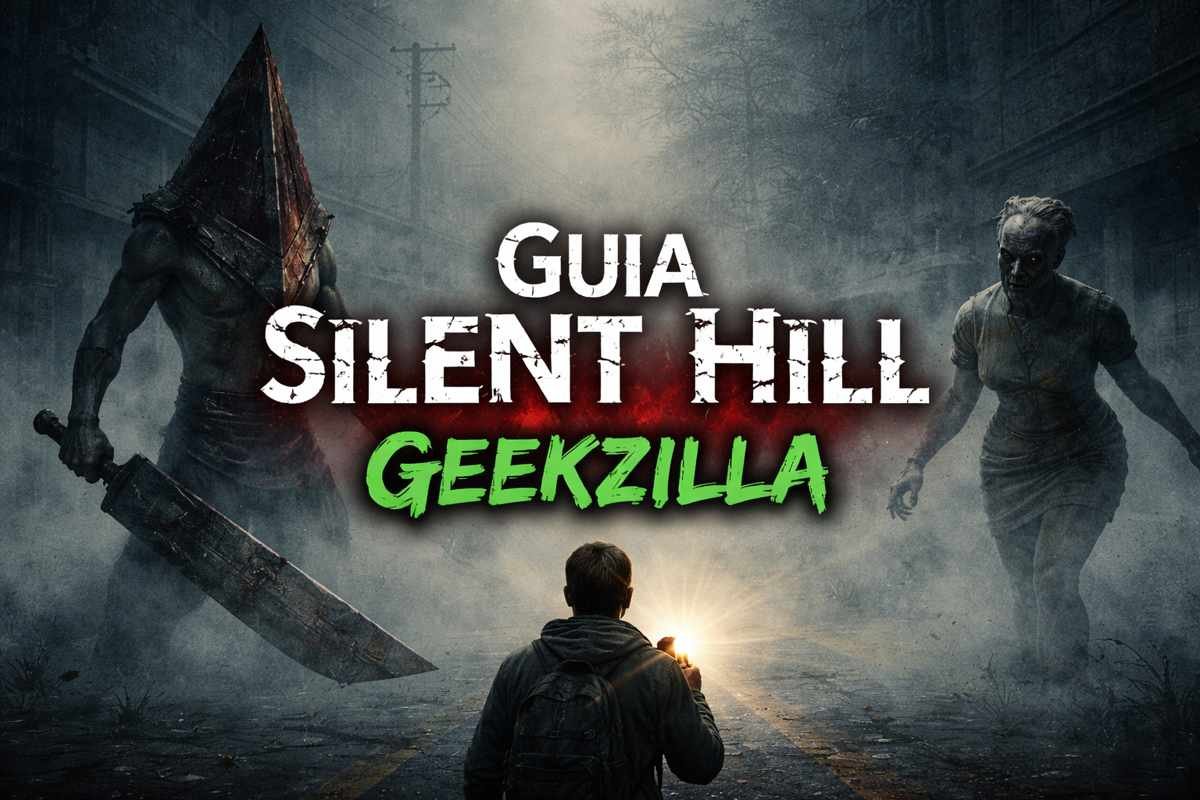
Silent Hill is widely recognized as one of the most psychologically intense horror franchises ever created in gaming. Instead of relying on fast combat or sudden scares, it builds fear through atmosphere, symbolism, and emotional discomfort. Players are not simply navigating a haunted town; they are stepping into a distorted reflection of the human mind. The approach often described as guia silent hill geekzilla focuses on understanding this deeper layer—where narrative, environment, and psychology merge into a single experience.
The Birth of Silent Hill’s Psychological Horror Identity
When Silent Hill was first released in 1999, it challenged the existing horror game formula. Rather than copying Western horror tropes, the developers leaned into psychological tension and abstract storytelling. The town was designed to feel oppressive and uncertain, making players question what was real and what was imagined. This creative decision shaped Silent Hill into a franchise where fear grows slowly, driven by mood rather than violence.
Silent Hill as a Reflection of the Human Mind
One of the most defining aspects of Silent Hill is the idea that the town changes based on who enters it. The environment adapts to the guilt, trauma, and memories of the protagonist. Streets, buildings, and creatures are not random—they are manifestations of internal conflict. This perspective is central to the guia silent hill geekzilla approach, which views Silent Hill as a psychological mirror rather than a fixed physical location.
The Power of Fog and Darkness
Fog is one of the most iconic elements of Silent Hill. While originally introduced due to technical limitations, it became a defining narrative tool. Fog limits vision, increases anxiety, and creates a constant sense of isolation. Darkness works alongside fog to disorient players, forcing them to move forward despite uncertainty. These elements turn simple exploration into a mentally exhausting experience.
Environmental Storytelling and Subtle Clues
Silent Hill rarely explains its story directly. Instead, it uses environmental details such as abandoned wheelchairs, cryptic notes, and unsettling sound cues. Players are encouraged to observe carefully and form their own interpretations. This method of storytelling respects the player’s intelligence and strengthens immersion by allowing the world itself to communicate meaning.
Symbolism Behind Silent Hill’s Monsters
The creatures found in Silent Hill are deeply symbolic. They often represent suppressed emotions, personal guilt, or traumatic memories. Pyramid Head, for example, is not just an enemy but a symbol of self-punishment and unresolved sin. Nurses, mannequins, and other creatures reflect vulnerability and distorted perception. Understanding these designs is essential when analyzing Silent Hill through the guia silent hill geekzilla lens.
Minimal Combat and Emotional Vulnerability
Combat in Silent Hill feels intentionally uncomfortable. Weapons are awkward, ammunition is scarce, and enemies are often difficult to confront. This design reinforces vulnerability and fear. Instead of empowering the player, the game constantly reminds them of their weakness. Avoiding combat is often the smartest choice, aligning with the series’ focus on survival and psychological tension.
Sound Design and Music as Emotional Drivers
The soundscape of Silent Hill plays a critical role in shaping the player’s emotional state. Industrial noises, distant screams, and unsettling silence create constant unease. Akira Yamaoka’s music blends ambient sounds with melancholic melodies, reinforcing themes of sadness and loss. Sound in Silent Hill is not background—it is a storytelling tool.
Themes of Guilt, Trauma, and Identity
Silent Hill explores heavy psychological themes rarely addressed so deeply in games. Grief, denial, abuse, and self-punishment are woven into its narratives. Characters are often unreliable, hiding truths even from themselves. This emotional complexity is why Silent Hill resonates so strongly with mature audiences and continues to be analyzed decades later.
The Role of the Otherworld
The Otherworld is a darker, more disturbing version of Silent Hill that represents a character’s inner torment. Rusted metal, blood-stained walls, and industrial imagery dominate this realm. Transitions into the Otherworld are often triggered by sirens or environmental shifts, signaling a descent into deeper psychological horror. The Otherworld is not evil for shock value—it is symbolic punishment.
Puzzle Design and Mental Engagement
Puzzles in Silent Hill demand attention, logic, and interpretation. Many puzzles require players to read carefully, listen closely, or connect abstract ideas. Difficulty settings affect puzzle complexity, making them more layered and thought-provoking. This encourages players to slow down and think, reinforcing Silent Hill’s identity as a cerebral horror experience.
Narrative Ambiguity and Multiple Endings
Silent Hill is famous for its ambiguous storytelling and multiple endings. Player behavior, exploration habits, and choices influence outcomes without clear indicators. This ambiguity invites interpretation and discussion, allowing each player to form their own understanding of events. The guia silent hill geekzilla perspective values this uncertainty as a strength rather than a flaw.
Cultural Impact and Horror Legacy
Silent Hill has left a permanent mark on horror media. Its influence can be seen in modern games, films, and storytelling techniques that prioritize atmosphere and emotion. Even years after its peak, Silent Hill remains a reference point for psychological horror done right. Its legacy continues through fan theories, remakes, and ongoing critical analysis.
Why Silent Hill Still Matters Today
In an industry dominated by fast-paced action games, Silent Hill remains relevant because it offers introspection. It challenges players emotionally and mentally, forcing them to confront uncomfortable truths. The continued interest in approaches like guia silent hill geekzilla shows that Silent Hill is not just a game—it is an experience that stays with players long after it ends.
More Details : Why Spy x Family Became One of the Most Loved Anime Series Worldwide
FAQs
What is the main theme of Silent Hill?
Silent Hill focuses on psychological horror, guilt, trauma, and inner conflict.
Why is Silent Hill considered psychological horror?
Because fear is created through atmosphere, symbolism, and emotional tension rather than action.
Are Silent Hill monsters symbolic?
Yes, most monsters represent personal fears, guilt, or suppressed emotions.
Does Silent Hill have a fixed storyline?
No, the story is intentionally ambiguous with multiple interpretations and endings.
Is Silent Hill still relevant today?
Yes, its themes and design continue to influence modern horror games and storytelling.

How to Store, Wind, and Travel With Your Automatic Watch Collection Without Damaging It

What Do HubSpot Onboarding Services Include?

AI in Supply Chain: How AI Consulting Services Help Build More Intelligent and Resilient Operations

Hungary Dental Tourism: Quality Dental Care at Affordable Prices

Timur Turlov: A Vision for the Future of Global Chess

Meaningful Ways to Memorialise a Beloved Pet After Loss

Understanding Jerking Movements: An Ayurvedic Perspective

Are You Saving Enough for Retirement? Key Benchmarks by Age

Timur Turlov: A Visionary Leader Transforming Modern Finance

5 Ways a Probate Attorney Can Help When Estate Documents Are Missing
What Do HubSpot Onboarding Services Include?
Timur Turlov: A Vision for the Future of Global Chess
Meaningful Ways to Memorialise a Beloved Pet After Loss
Hungary Dental Tourism: Quality Dental Care at Affordable Prices
AI in Supply Chain: How AI Consulting Services Help Build More Intelligent and Resilient Operations
How to Store, Wind, and Travel With Your Automatic Watch Collection Without Damaging It
How to Store, Wind, and Travel With Your Automatic Watch Collection Without Damaging It
What Do HubSpot Onboarding Services Include?
AI in Supply Chain: How AI Consulting Services Help Build More Intelligent and Resilient Operations
Hungary Dental Tourism: Quality Dental Care at Affordable Prices
Timur Turlov: A Vision for the Future of Global Chess
Meaningful Ways to Memorialise a Beloved Pet After Loss
Understanding Jerking Movements: An Ayurvedic Perspective
Are You Saving Enough for Retirement? Key Benchmarks by Age
Timur Turlov: A Visionary Leader Transforming Modern Finance
5 Ways a Probate Attorney Can Help When Estate Documents Are Missing
-

 Tech8 months ago
xxx is equal to 2022: A Complete Informative Explanation of a Cubic Equation
-

 Celebrity7 months ago
Izzie Balmer Partner: A Deep Dive into the Relationship with Will Hawley
-

 Entertainment8 months ago
The Artistic World of Gege Akutami: A Mastermind Behind Jujutsu Kaisen
-

 Entertainment7 months ago
Semana Santa 2026: Dates, Traditions, and Global Celebrations