
Tech
The Story, Meaning, and Digital Evolution of Google Dreidel

Google Dreidel is a digital version of the traditional Jewish spinning top game played during Hanukkah. By simply searching the term in Google, users can access an interactive virtual dreidel that spins on screen, replicating the classic holiday game in an accessible and modern format. While it may appear to be a small online feature, it represents a meaningful blend of technology, culture, and tradition.
The digital adaptation preserves the spirit of the original game while making it available to anyone with an internet connection. It offers an opportunity for cultural engagement, especially for younger generations growing up in a digital world. To understand its importance, it is helpful to first explore the roots of the traditional dreidel and its historical significance.
The Historical Origins of the Dreidel


The dreidel is a four-sided spinning top traditionally associated with Hanukkah, the Jewish Festival of Lights. Each side of the dreidel bears a Hebrew letter: Nun (נ), Gimel (ג), Hei (ה), and Shin (ש). Together, these letters form the acronym for the Hebrew phrase “Nes Gadol Haya Sham,” meaning “A great miracle happened there,” referring to the miracle of the oil in the ancient Temple in Jerusalem.
Hanukkah commemorates the rededication of the Second Temple in the second century BCE after the Maccabean Revolt against the Seleucid Empire. According to Jewish tradition, when the Maccabees reclaimed the Temple, they found only a small amount of consecrated oil—enough to light the menorah for one day. Miraculously, it lasted eight days, which is why Hanukkah is celebrated for eight nights.
The dreidel game itself is believed to have evolved from European spinning top games. Over time, Jewish communities adapted the game and infused it with religious and cultural meaning. What may have begun as a simple pastime became closely tied to Hanukkah celebrations, especially for children.
How the Traditional Dreidel Game Works
The traditional dreidel game is simple but meaningful. Players begin with an equal number of small items, often chocolate coins known as gelt, nuts, or candies. Each player contributes one piece to a central pot at the start of the game.
When a player spins the dreidel, the letter it lands on determines their action:
- Nun (נ) – The player does nothing.
- Gimel (ג) – The player takes the entire pot.
- Hei (ה) – The player takes half of the pot.
- Shin (ש) – The player adds one piece to the pot.
This straightforward system makes the game accessible for children while reinforcing familiarity with Hebrew letters and the Hanukkah story. It also encourages social interaction and shared celebration within families and communities.
The Digital Transformation of a Cultural Tradition

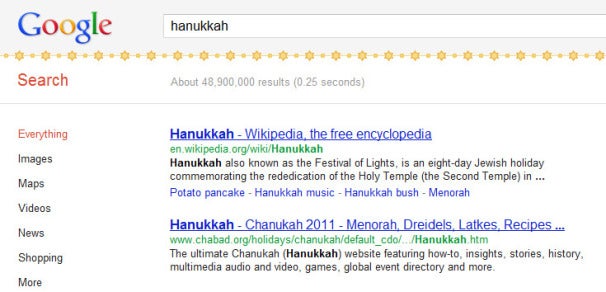

With the rise of digital technology, many traditional games have found new life online. Google Dreidel is part of Google’s broader collection of interactive search features, often referred to as “Easter eggs.” By typing the keyword into the search bar, users can activate a virtual dreidel that spins with a click or tap.
The online version mirrors the traditional four sides and Hebrew letters, maintaining authenticity. The spinning animation replicates the anticipation of a physical spin, while the interface remains simple and intuitive. This design ensures that the focus remains on the cultural meaning rather than unnecessary digital complexity.
The digital adaptation makes the game accessible to people who may not own a physical dreidel. It also provides a way for families separated by distance to participate in the tradition together through video calls or shared screens.
Cultural Significance in the Modern Era
The presence of Google Dreidel in search results reflects the broader recognition of diverse cultural traditions in digital spaces. By featuring Hanukkah-themed interactive content, Google contributes to cultural visibility and representation.
For Jewish families, the digital dreidel can serve as a supplemental tool for teaching children about Hanukkah. In classrooms, educators can use it to introduce students to Jewish history and customs in an engaging format. The combination of play and learning reinforces memory and understanding.
In a multicultural society, digital tools like this also foster cross-cultural awareness. Individuals unfamiliar with Hanukkah may encounter the dreidel online and become curious about its meaning. This curiosity can lead to greater appreciation and understanding of Jewish heritage.
The Educational Value of a Virtual Dreidel
Interactive tools are powerful educational aids. The simple act of spinning a virtual dreidel can spark questions: What do the Hebrew letters mean? Why is Hanukkah celebrated for eight days? What is the story behind the miracle?
Teachers and parents can use the digital game as an entry point into broader discussions about religious freedom, historical struggles, and cultural identity. The visual and interactive nature of the online spinner enhances engagement, especially for children accustomed to digital interfaces.
Furthermore, the game introduces Hebrew letters in a playful context. Repetition through gameplay reinforces letter recognition and pronunciation. Even in a digital format, the core educational elements remain intact.
Technology and Tradition: A Balanced Relationship
There is often concern that digital versions of traditional practices might replace physical experiences. However, Google Dreidel does not eliminate the traditional game; rather, it complements it. The tactile feel of a wooden dreidel spinning on a table and the excitement of gathering around family members cannot be fully replicated online.
Instead, the digital version serves as an extension of the tradition. It is especially useful in situations where physical materials are unavailable. It also demonstrates how cultural heritage can adapt without losing its essence.
This balance between preservation and innovation is crucial in the modern era. Technology, when used thoughtfully, can strengthen cultural continuity rather than diminish it.
Broader Impact of Cultural Easter Eggs by Google
Google has created various interactive features celebrating holidays and historical milestones. These digital experiences often appear during significant cultural events, allowing users worldwide to learn through exploration.
By including a Hanukkah-themed interactive spinner, Google acknowledges the importance of Jewish traditions alongside other global celebrations. This inclusive approach contributes to a more representative digital environment.
Such features may seem small, but they signal recognition and respect. In a world where digital platforms shape everyday experiences, visibility matters.
Accessibility and Global Reach
One of the most powerful aspects of Google Dreidel is its accessibility. Anyone with internet access can experience the game instantly. There is no need to purchase materials or download software.
For members of the Jewish diaspora living in areas with limited access to community resources, the digital dreidel offers a convenient connection to tradition. It can also serve as a bridge for interfaith families seeking to understand and participate in Hanukkah celebrations.
The simplicity of access ensures that cultural engagement is not limited by geography or economic barriers.
Preserving Identity in a Digital Age
Cultural traditions evolve over time, adapting to social and technological changes. The transition from a wooden spinning top to an online interactive version reflects this natural evolution.
Google Dreidel symbolizes how ancient traditions can coexist with modern innovation. It demonstrates that cultural identity does not need to remain static to remain meaningful. Instead, it can grow and adapt while retaining its core values.
The story behind the dreidel—resilience, faith, and remembrance—remains unchanged. The medium may shift, but the message endures.
More Details : How to Declutter Digital Files: A Comprehensive Guide
Frequently Asked Questions (FAQs)
1. What is Google Dreidel?
It is an interactive online version of the traditional Hanukkah spinning top game that appears in Google search results when the term is entered.
2. How do you play the digital dreidel game?
Users click or tap the virtual dreidel to spin it. The result corresponds to one of the four Hebrew letters, just like the traditional game.
3. What do the Hebrew letters on the dreidel mean?
They stand for “Nes Gadol Haya Sham,” meaning “A great miracle happened there,” referring to the Hanukkah miracle.
4. Is the online version different from the traditional game?
The rules and letters remain the same. The primary difference is that it is played digitally rather than with a physical spinning top.
5. Why did Google create this feature?
It is part of Google’s interactive holiday features designed to celebrate and highlight cultural traditions around the world.

12 Best Omegle Alternatives for Random Video Chat and Meeting New People

Dbxbqm Meaning: Why It Appears When You Try to Type YouTube

Immediate Loading Implants: How “Fixed Teeth in 48 Hours” Really Works

How UK Mobile Proxies Help Businesses Test Their Websites

Gen AI in Supply Chain: Using Supply Chain Benchmarks to Improve Performance

What Is the UK Theory Test? How It Works, Cost and Pass Mark

Weather the Storm: Why Totally Branded Umbrellas are the UK’s Most Appreciated Gift

How to Store, Wind, and Travel With Your Automatic Watch Collection Without Damaging It

What Do HubSpot Onboarding Services Include?

AI in Supply Chain: How AI Consulting Services Help Build More Intelligent and Resilient Operations
Immediate Loading Implants: How “Fixed Teeth in 48 Hours” Really Works
How UK Mobile Proxies Help Businesses Test Their Websites
12 Best Omegle Alternatives for Random Video Chat and Meeting New People
Dbxbqm Meaning: Why It Appears When You Try to Type YouTube
12 Best Omegle Alternatives for Random Video Chat and Meeting New People
Dbxbqm Meaning: Why It Appears When You Try to Type YouTube
Immediate Loading Implants: How “Fixed Teeth in 48 Hours” Really Works
How UK Mobile Proxies Help Businesses Test Their Websites
Gen AI in Supply Chain: Using Supply Chain Benchmarks to Improve Performance
What Is the UK Theory Test? How It Works, Cost and Pass Mark
Weather the Storm: Why Totally Branded Umbrellas are the UK’s Most Appreciated Gift
How to Store, Wind, and Travel With Your Automatic Watch Collection Without Damaging It
What Do HubSpot Onboarding Services Include?
AI in Supply Chain: How AI Consulting Services Help Build More Intelligent and Resilient Operations
-

 Tech9 months ago
xxx is equal to 2022: A Complete Informative Explanation of a Cubic Equation
-

 Celebrity9 months ago
Izzie Balmer Partner: A Deep Dive into the Relationship with Will Hawley
-

 Entertainment9 months ago
The Artistic World of Gege Akutami: A Mastermind Behind Jujutsu Kaisen
-

 Food6 months ago
Best Sushi Rice Brands: A Complete Guide to Choosing the Right Rice for Sushi