
Entertainment
Dream Face Reveal and the Reality of Internet Fame

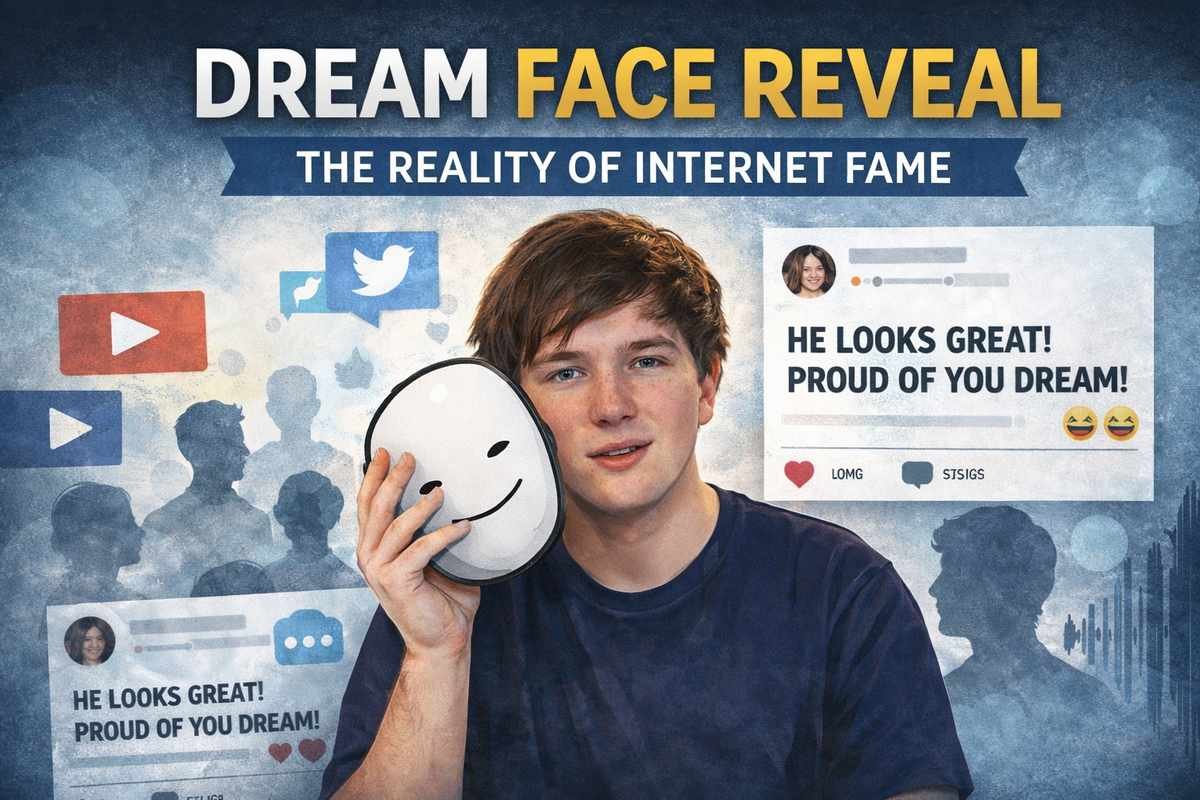
The modern internet allows individuals to become global celebrities without ever showing their real identities. Content creators can build massive audiences using avatars, voice-only content, or symbolic branding. This anonymity often becomes a strategic choice rather than a limitation, especially in gaming communities where personality and skill matter more than appearance.
Who Is Dream and Why His Identity Mattered
Dream, also known as Clay, rose to prominence through Minecraft-related content that focused on fast-paced challenges and storytelling. For years, his online persona existed without a public face, represented only by a simple smiling avatar. This choice created a strong brand identity and allowed audiences to associate his content with mystery rather than physical presence.
How Mystery Strengthens Digital Branding
Mystery plays a powerful role in digital branding. When a creator withholds personal details, audiences naturally speculate. This speculation increases engagement, discussions, and emotional investment. In Dream’s case, anonymity helped shift focus toward creativity and gameplay while also unintentionally building curiosity around his real identity.

The Build-Up of Audience Expectations
Over time, prolonged anonymity can lead to unrealistic expectations. Fans begin to imagine what a creator might look like, often influenced by stereotypes, voice tone, or fan-made artwork. These imagined versions are rarely grounded in reality and can create a disconnect when expectations meet truth.
The Role of Parasocial Relationships
Parasocial relationships occur when audiences feel emotionally connected to a public figure who does not personally know them. These one-sided relationships can intensify curiosity and entitlement. Viewers may feel they “deserve” personal information, even though creators have no obligation to share private details.
Why Voice Influences Perception
A creator’s voice significantly shapes how audiences imagine them. Calm or deep voices are often associated with conventional attractiveness due to cultural conditioning. This psychological association played a role in shaping expectations before the Dream Face Reveal, contributing to the emotional reactions that followed.
The Day the Mask Came Off
When Dream publicly revealed his face on October 2, 2022, the internet reacted instantly. The reveal spread across platforms within minutes, becoming a trending topic worldwide. What began as a personal decision quickly transformed into a mass public event shaped by algorithms and online commentary.
Mixed Reactions and Internet Polarization
The responses ranged from support and praise to mockery and harsh criticism. This polarization is common in internet culture, where extreme reactions receive the most visibility. Positive feedback often gets overshadowed because negative content generates more engagement.
How Algorithms Amplify Negativity
Social media platforms prioritize content that triggers emotional responses. Controversial reactions, memes, and critical commentary are more likely to be promoted than neutral or supportive posts. As a result, public perception can skew toward negativity even when opinions are divided.
Unrealistic Beauty Standards Online
The backlash surrounding the reveal highlighted a deeper issue: unrealistic beauty standards. Internet culture often promotes idealized appearances that are unattainable for most people. When creators do not meet these imagined ideals, they can become targets of ridicule despite having done nothing wrong.
Psychological Impact on Content Creators
Sudden exposure to mass judgment can significantly affect mental health. Anxiety, stress, and withdrawal are common responses. Losing anonymity also removes a layer of emotional protection, making criticism feel more personal and overwhelming.
Privacy as a Digital Right
Being a public figure does not erase the right to privacy. Content creation is a profession, not an invitation to invasive scrutiny. The Dream Face Reveal reignited conversations about where the line should be drawn between public interest and personal boundaries.
Understanding Fan Service in Creator Culture
Fan service refers to actions taken primarily to satisfy audience demands rather than creative intent. While engaging fans is important, excessive accommodation can pressure creators into decisions they may not be ready for or comfortable with.
The Risks of Yielding to Audience Pressure
When creators act mainly to meet fan expectations, they risk losing creative control. Decisions driven by pressure rather than purpose can lead to regret, backlash, or long-term brand damage. Identity reveals are irreversible and should never be treated lightly.
Changes in Audience Engagement After the Reveal
Following the reveal, shifts in viewership patterns were noticeable. This reflects a broader trend where mystery-driven engagement fades once curiosity is satisfied. Audiences often move on when the novelty disappears, emphasizing the fragile nature of internet attention.
Lessons for Aspiring Creators
Aspiring creators can learn valuable lessons from this event. Establishing boundaries early, understanding audience psychology, and prioritizing mental well-being are essential for long-term sustainability. Anonymity is not a weakness—it can be a strategic asset.
The Responsibility of Online Communities
Audiences play a crucial role in shaping internet culture. Respectful behavior, empathy, and accountability can significantly reduce harm. Supporting creators means valuing their work without demanding personal access.
Media Framing and Public Narrative
Media coverage often focuses on controversy rather than context. Responsible reporting should emphasize cultural implications, mental health considerations, and ethical discussions rather than appearance-based judgments.
Broader Implications for Internet Culture
The Dream Face Reveal serves as a case study in modern digital fame. It reflects ongoing tensions between visibility and privacy, curiosity and entitlement, and creativity versus consumption in online spaces.
Moving Toward Healthier Digital Interactions
Healthier online environments require effort from platforms, creators, and users alike. Promoting empathy, discouraging harassment, and respecting boundaries are essential steps toward a more sustainable creator economy.
More Details : Blooket Host Games Explained: A Complete Guide to Running Engaging Learning Sessions
Frequently Asked Questions
What is the main lesson from the Dream Face Reveal?
It highlights the importance of privacy, boundary-setting, and the risks of unrealistic audience expectations.
Are creators obligated to reveal personal details?
No, creators are not required to share personal information beyond what they choose.
Why did reactions become so extreme?
High expectations, parasocial relationships, and algorithm-driven amplification contributed to extreme responses.
What is fan service in online communities?
Fan service involves pleasing audiences by fulfilling their demands, sometimes at the cost of creative or personal well-being.
How can fans support creators better?
By focusing on content, respecting boundaries, and avoiding appearance-based judgments.

How to Store, Wind, and Travel With Your Automatic Watch Collection Without Damaging It

What Do HubSpot Onboarding Services Include?

AI in Supply Chain: How AI Consulting Services Help Build More Intelligent and Resilient Operations

Hungary Dental Tourism: Quality Dental Care at Affordable Prices

Timur Turlov: A Vision for the Future of Global Chess

Meaningful Ways to Memorialise a Beloved Pet After Loss

Understanding Jerking Movements: An Ayurvedic Perspective

Are You Saving Enough for Retirement? Key Benchmarks by Age

Timur Turlov: A Visionary Leader Transforming Modern Finance

5 Ways a Probate Attorney Can Help When Estate Documents Are Missing
What Do HubSpot Onboarding Services Include?
Timur Turlov: A Vision for the Future of Global Chess
Hungary Dental Tourism: Quality Dental Care at Affordable Prices
Meaningful Ways to Memorialise a Beloved Pet After Loss
AI in Supply Chain: How AI Consulting Services Help Build More Intelligent and Resilient Operations
How to Store, Wind, and Travel With Your Automatic Watch Collection Without Damaging It
How to Store, Wind, and Travel With Your Automatic Watch Collection Without Damaging It
What Do HubSpot Onboarding Services Include?
AI in Supply Chain: How AI Consulting Services Help Build More Intelligent and Resilient Operations
Hungary Dental Tourism: Quality Dental Care at Affordable Prices
Timur Turlov: A Vision for the Future of Global Chess
Meaningful Ways to Memorialise a Beloved Pet After Loss
Understanding Jerking Movements: An Ayurvedic Perspective
Are You Saving Enough for Retirement? Key Benchmarks by Age
Timur Turlov: A Visionary Leader Transforming Modern Finance
5 Ways a Probate Attorney Can Help When Estate Documents Are Missing
-

 Tech8 months ago
xxx is equal to 2022: A Complete Informative Explanation of a Cubic Equation
-

 Celebrity7 months ago
Izzie Balmer Partner: A Deep Dive into the Relationship with Will Hawley
-

 Entertainment8 months ago
The Artistic World of Gege Akutami: A Mastermind Behind Jujutsu Kaisen
-

 Entertainment7 months ago
Semana Santa 2026: Dates, Traditions, and Global Celebrations