
Lifestyle
Unreasonable Hospitality: How Thoughtful Service Builds Unbreakable Brands

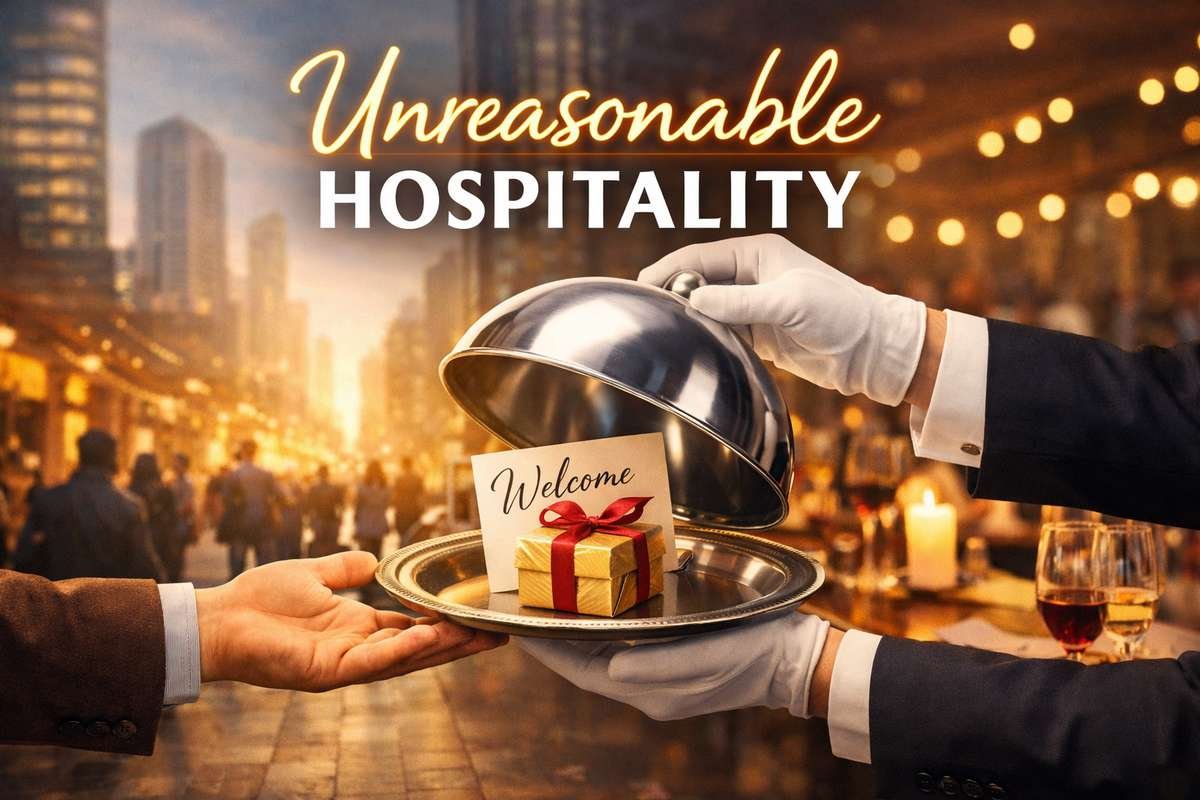
In today’s crowded marketplace, almost every business claims to offer “great service.” Fast responses, polite staff, and smooth processes have become normal expectations rather than special advantages. Customers no longer feel impressed by efficiency alone, because efficiency is now the standard. What truly stands out is how a business treats people when no rulebook forces it to do so. This is where the idea of Unreasonable Hospitality begins to make sense, not as a trend, but as a deeper philosophy about how relationships are built through service.
Why Customer Experience Matters More Than Ever
Modern customers have endless options. With a few clicks, they can switch brands, platforms, or providers without much effort. In such an environment, products and prices are rarely enough to create long-term loyalty. Experience becomes the deciding factor. When people feel respected, understood, and genuinely cared for, they stay longer and recommend more often. This emotional connection is what separates forgettable businesses from memorable ones.
The Difference Between Service and Care
Service is about completing a task. Care is about understanding a person. Many companies focus on procedures, checklists, and scripts to ensure consistency, which is useful but limited. Care requires attention, empathy, and sometimes creativity. It asks employees to notice small details and respond like humans, not machines. The strongest brands are built when care becomes a daily habit rather than an occasional effort.
How Small Gestures Create Lasting Memories
People rarely remember every detail of a transaction, but they always remember how they were treated. A simple follow-up message, a thoughtful solution to a problem, or a personalized recommendation can leave a deeper impression than any discount. These moments feel special because they are unexpected and personal. Over time, these small gestures accumulate into a powerful reputation that advertising alone cannot buy.
The Business Case for Going Beyond Expectations
Some leaders worry that going the extra mile will increase costs and reduce efficiency. In reality, most meaningful gestures cost very little. What they require is intention and trust in employees. When customers feel valued, they return more often, complain less, and talk positively about the brand. This reduces marketing costs and increases lifetime value, making generosity a smart business strategy rather than an expense.
Empowering Employees to Make Real Decisions
Great experiences are rarely created by rigid rules. They are created by people who are trusted to use their judgment. When employees are empowered to solve problems on the spot, customers feel immediate relief instead of frustration. This also boosts team morale, because people take pride in fixing issues instead of just passing them along. A culture inspired by Unreasonable Hospitality depends on this kind of trust to function well.
Leadership’s Role in Shaping Service Culture
Culture always reflects leadership behavior. If leaders only care about numbers, teams will focus only on numbers. If leaders care about people, teams will start caring about people too. The way managers handle mistakes, complaints, and feedback sets the tone for everyone else. When leaders consistently model respect and generosity, these values slowly become part of everyday work.
Hiring the Right Attitude Before Teaching the Skills
Technical skills can be taught through training, but attitude is much harder to change. Businesses that excel in service usually hire people who are curious, patient, and emotionally intelligent. These qualities make it easier to teach systems and tools later. When the right mindset is in place, great service becomes natural rather than forced.
Consistency as the Foundation of Trust
One amazing experience can impress a customer, but consistent good experiences build trust. People want to know that they will be treated well every time, not just once in a while. This means designing systems that support kindness and clarity, not just speed. Over time, consistency turns first-time buyers into long-term supporters.
Measuring What Truly Reflects Customer Loyalty
Traditional metrics like response time and resolution speed are helpful, but they don’t tell the whole story. Loyalty shows up in repeat visits, referrals, and positive stories shared with others. These signals reveal whether customers feel emotionally connected or just temporarily satisfied. Companies that look beyond surface-level numbers gain a clearer picture of their real impact.
The Power of Stories in Building a Brand
People don’t recommend companies because of spreadsheets or feature lists. They recommend them because of stories. A story about a problem solved with care or a moment of unexpected kindness travels further than any advertisement. Over time, these stories become part of the brand’s identity and attract new customers who want the same experience.
Applying This Mindset Outside of Hospitality
Despite the name, this approach is not limited to hotels or restaurants. Technology companies, healthcare providers, educators, and even local service businesses can benefit from the same principles. Wherever people interact, there is an opportunity to choose between indifference and care. Choosing care is what turns ordinary interactions into meaningful ones.
The Long-Term Advantage of Human-Centered Service
Competitors can copy prices, features, and even processes. What they cannot easily copy is a deeply rooted culture of genuine care. This is why Unreasonable Hospitality becomes a long-term advantage rather than a short-term tactic. It creates emotional loyalty, which is far stronger and more stable than loyalty based only on convenience.
Turning Values Into Daily Habits
Big ideas only work when they show up in small actions. Simple routines like team discussions about customer needs or sharing success stories can reinforce the right behavior. Over time, these habits shape how people think and act, making great service the default rather than the exception.
Why Customers Remember How You Made Them Feel
At the end of the day, customers may forget what you said or sold, but they will remember how you made them feel. Feeling respected, understood, and supported leaves a lasting impression. This emotional memory is what keeps people coming back and telling others about their experience.
Building a Brand That People Trust
Trust is not built through promises alone. It is built through repeated, thoughtful actions. When a company consistently shows that it cares, customers begin to rely on it not just for products or services, but for peace of mind. This level of trust is rare, and that is exactly why it is so valuable.
The Future Belongs to Experience-Driven Businesses
As markets become more competitive and products become more similar, experience will continue to be the main differentiator. Businesses that invest in people, culture, and meaningful interactions will stand out. Those that ignore this shift will struggle to keep attention in a world full of choices.
Final Thoughts on Creating Meaningful Impact
Building a business around care is not about being perfect. It is about being present, attentive, and willing to do a little more when it matters. The philosophy behind Unreasonable Hospitality reminds us that real success comes from treating people like people, not just like transactions.
More Details : Dream Face Reveal and the Reality of Internet Fame
FAQs
1. What does Unreasonable Hospitality mean in simple terms?
It means going beyond basic service to create genuinely memorable experiences for customers.
2. Is this approach expensive to implement?
No, most impactful gestures cost very little and rely more on mindset than money.
3. Can small businesses use this strategy?
Yes, small businesses often have an advantage because they can offer more personal attention.
4. How does this improve customer loyalty?
People stay loyal to brands that make them feel valued, understood, and respected.
5. What is the first step to applying this idea?
Start by empowering your team to care about customers and act on that care in daily situations.

12 Best Omegle Alternatives for Random Video Chat and Meeting New People

Dbxbqm Meaning: Why It Appears When You Try to Type YouTube

Immediate Loading Implants: How “Fixed Teeth in 48 Hours” Really Works

How UK Mobile Proxies Help Businesses Test Their Websites

Gen AI in Supply Chain: Using Supply Chain Benchmarks to Improve Performance

What Is the UK Theory Test? How It Works, Cost and Pass Mark

Weather the Storm: Why Totally Branded Umbrellas are the UK’s Most Appreciated Gift

How to Store, Wind, and Travel With Your Automatic Watch Collection Without Damaging It

What Do HubSpot Onboarding Services Include?

AI in Supply Chain: How AI Consulting Services Help Build More Intelligent and Resilient Operations
Immediate Loading Implants: How “Fixed Teeth in 48 Hours” Really Works
How UK Mobile Proxies Help Businesses Test Their Websites
Gen AI in Supply Chain: Using Supply Chain Benchmarks to Improve Performance
12 Best Omegle Alternatives for Random Video Chat and Meeting New People
Dbxbqm Meaning: Why It Appears When You Try to Type YouTube
12 Best Omegle Alternatives for Random Video Chat and Meeting New People
Dbxbqm Meaning: Why It Appears When You Try to Type YouTube
Immediate Loading Implants: How “Fixed Teeth in 48 Hours” Really Works
How UK Mobile Proxies Help Businesses Test Their Websites
Gen AI in Supply Chain: Using Supply Chain Benchmarks to Improve Performance
What Is the UK Theory Test? How It Works, Cost and Pass Mark
Weather the Storm: Why Totally Branded Umbrellas are the UK’s Most Appreciated Gift
How to Store, Wind, and Travel With Your Automatic Watch Collection Without Damaging It
What Do HubSpot Onboarding Services Include?
AI in Supply Chain: How AI Consulting Services Help Build More Intelligent and Resilient Operations
-

 Tech9 months ago
xxx is equal to 2022: A Complete Informative Explanation of a Cubic Equation
-

 Celebrity9 months ago
Izzie Balmer Partner: A Deep Dive into the Relationship with Will Hawley
-

 Entertainment9 months ago
The Artistic World of Gege Akutami: A Mastermind Behind Jujutsu Kaisen
-

 Food5 months ago
Best Sushi Rice Brands: A Complete Guide to Choosing the Right Rice for Sushi