
Travel
Productivity Hiking: How Walking Nature Trails Can Improve Focus, Energy, and Daily Performance

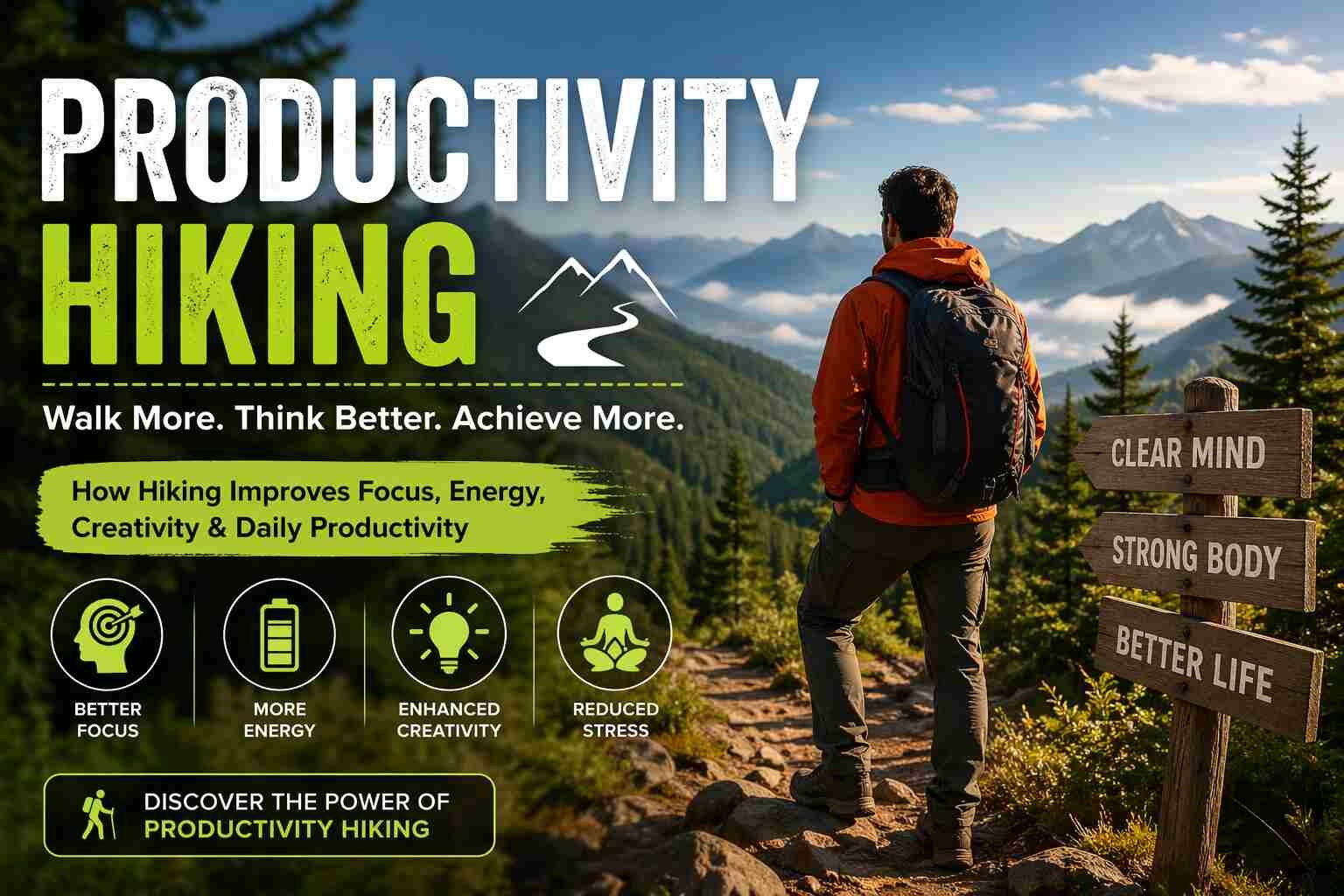
Modern life often keeps people indoors, seated for long hours, and surrounded by constant notifications. This routine can lower energy, reduce creativity, and make it harder to stay focused. A simple solution is spending time outdoors on walking trails, hills, or forest paths. This growing habit is known as productivity hiking. It combines movement, fresh air, and mental recovery in a way that supports better work and healthier routines.
Many people think productivity only comes from working longer hours, but real performance depends on focus, clarity, and sustainable energy. Hiking offers all three. Whether you are a student, entrepreneur, remote worker, or busy professional, regular trail walks can help sharpen your mind and restore motivation.
What Is Productivity Hiking?
Productivity hiking means using hiking as a tool to improve mental performance, planning ability, and daily efficiency. It is not about racing up mountains or completing difficult adventures. Instead, it focuses on intentional outdoor walking that refreshes the brain and body.
Some people hike before work to start the day with energy. Others go during breaks to reduce stress. Many use trails to think through challenges, organize ideas, or recover from burnout. The purpose is simple: use nature and movement to return to tasks with stronger concentration.
Why Nature Improves Mental Performance
Natural environments reduce mental fatigue in ways urban settings often do not. Busy streets, screens, and noise demand constant attention. Forests, parks, and trails provide calmer surroundings that allow the brain to recover.
Studies on attention restoration show that time in nature can improve memory, concentration, and mood. When the mind is less overloaded, it becomes easier to make decisions and complete meaningful work. This is one reason productivity hiking is becoming popular among people who need creative thinking and clear focus.
Physical Movement Boosts Brain Function
Walking increases blood flow, which helps deliver oxygen and nutrients to the brain. Even moderate movement can improve alertness and reduce sluggishness caused by sitting too long. Hiking adds natural variation such as slopes, uneven ground, and changing scenery, which engages the body more than walking on a treadmill.
Movement also releases chemicals linked to better mood and reduced stress. After a hike, many people notice they feel calmer yet more energized. This combination creates an ideal state for deep work, learning, or problem-solving.
Hiking Helps Reduce Stress and Burnout
Stress is one of the biggest barriers to productivity. When stress remains high, people struggle with focus, patience, and sleep quality. Over time, this can lead to burnout.
Outdoor walking lowers tension by slowing mental overload and encouraging steady breathing. The rhythm of walking can be calming, while natural sounds such as birds, wind, or water help quiet racing thoughts. Regular productivity hiking sessions can become a reliable reset button during demanding weeks.
Better Creativity Through Trail Time
Many strong ideas appear when people step away from desks. Hiking creates mental space where thoughts can connect naturally. Without constant interruptions, the brain often enters a more creative mode.
Writers, designers, founders, and students frequently report solving problems while walking outdoors. New perspectives often arrive during relaxed movement rather than forced effort. If you feel stuck on a project, a short trail walk may help more than another hour of staring at a screen.
How Hiking Improves Discipline and Routine
Productivity is not only about motivation. It also depends on habits. Scheduling regular hikes builds consistency, self-care, and structure.
For example, hiking every Saturday morning creates a weekly recovery habit. Walking before work three times a week can become a strong morning routine. These small commitments improve discipline, which often carries into other areas such as planning, exercise, sleep, and time management.
Best Times to Practice Productivity Hiking
Morning hikes are excellent for boosting energy and starting the day with clarity. Sunlight exposure early in the day may also support healthier sleep patterns later.
Midday hikes work well when focus drops after several hours of work. A 20 to 45-minute trail walk can restore attention faster than scrolling on a phone.
Evening hikes help release stress after demanding days. They can create a healthy transition between work life and personal time.
The best schedule depends on your lifestyle. Consistency matters more than perfect timing.
How to Use Hiking for Better Work Results
Before your walk, choose one question or task to think about. It could be a business decision, writing outline, study plan, or personal goal. Keep it simple.
During the hike, avoid forcing answers. Let ideas come naturally while you walk. If something useful appears, note it on your phone or in a small notebook.
After returning, spend ten minutes acting on the best idea. This step turns inspiration into results. Many people use productivity hiking successfully because they combine reflection with action.
Essential Gear for Comfortable Hikes
You do not need expensive equipment for productive hiking sessions. Comfortable shoes with grip are usually enough for easy trails. Wear breathable clothing suited to the weather.
Bring water, especially in warm conditions. A small backpack can carry snacks, a notebook, and basic items. If hiking longer routes, use sun protection and check trail conditions beforehand.
Keeping the experience simple makes it easier to repeat regularly.
Common Mistakes to Avoid
One mistake is choosing trails that are too difficult. If the hike becomes exhausting, recovery may replace productivity benefits. Start with easy or moderate routes.
Another mistake is turning every hike into intense exercise. Some sessions should be calm and reflective.
Using your phone constantly also reduces the mental benefits. Take photos if you like, but avoid endless notifications during the walk.
Lastly, do not expect one hike to solve everything. Benefits grow through repetition.
Who Can Benefit Most?
Remote workers often use hiking to break up screen-heavy days. Students can use it before study sessions or exams. Business owners may find trail time useful for strategic thinking. Parents can use family-friendly hikes for stress relief and better energy.
Even retirees benefit through movement, mood support, and mental sharpness. In truth, almost anyone can gain from productivity hiking when it fits their physical ability and schedule.
A Simple Weekly Plan
Start with two short hikes each week. Aim for 30 to 45 minutes. Use one hike for mental reset and the other for planning ideas.
After two weeks, add a longer weekend session if possible. Track how you feel afterward: focus, stress level, creativity, and motivation. This helps you see the real value of the habit.
Small consistent walks often deliver better results than rare long adventures.
Conclusion
True productivity is not endless busyness. It is the ability to think clearly, manage energy, and complete meaningful work. Hiking supports all of these areas through movement, nature exposure, and mental recovery.
If you feel distracted, tired, or stuck, step outside and walk a trail. The results may surprise you. Productivity hiking is simple, affordable, and practical—and for many people, it becomes one of the most effective habits for a better life and better work.
More Details : Mastering Dinner Productivity: How to Cook Efficiently Without Stress
FAQs
1. What is productivity hiking?
It is using hiking or nature walks to improve focus, creativity, energy, and mental clarity.
2. How long should a productive hike be?
Even 20 to 45 minutes can provide noticeable benefits.
3. Can beginners try productivity hiking?
Yes, easy trails or local parks are perfect for beginners.
4. Is hiking better than gym exercise for productivity?
Both help, but hiking adds nature benefits that often improve stress relief and focus.
5. How often should I hike for results?
Two to three times per week is a strong starting point.

12 Best Omegle Alternatives for Random Video Chat and Meeting New People

Dbxbqm Meaning: Why It Appears When You Try to Type YouTube

Immediate Loading Implants: How “Fixed Teeth in 48 Hours” Really Works

How UK Mobile Proxies Help Businesses Test Their Websites

Gen AI in Supply Chain: Using Supply Chain Benchmarks to Improve Performance

What Is the UK Theory Test? How It Works, Cost and Pass Mark

Weather the Storm: Why Totally Branded Umbrellas are the UK’s Most Appreciated Gift

How to Store, Wind, and Travel With Your Automatic Watch Collection Without Damaging It

What Do HubSpot Onboarding Services Include?

AI in Supply Chain: How AI Consulting Services Help Build More Intelligent and Resilient Operations
Immediate Loading Implants: How “Fixed Teeth in 48 Hours” Really Works
How UK Mobile Proxies Help Businesses Test Their Websites
12 Best Omegle Alternatives for Random Video Chat and Meeting New People
Dbxbqm Meaning: Why It Appears When You Try to Type YouTube
12 Best Omegle Alternatives for Random Video Chat and Meeting New People
Dbxbqm Meaning: Why It Appears When You Try to Type YouTube
Immediate Loading Implants: How “Fixed Teeth in 48 Hours” Really Works
How UK Mobile Proxies Help Businesses Test Their Websites
Gen AI in Supply Chain: Using Supply Chain Benchmarks to Improve Performance
What Is the UK Theory Test? How It Works, Cost and Pass Mark
Weather the Storm: Why Totally Branded Umbrellas are the UK’s Most Appreciated Gift
How to Store, Wind, and Travel With Your Automatic Watch Collection Without Damaging It
What Do HubSpot Onboarding Services Include?
AI in Supply Chain: How AI Consulting Services Help Build More Intelligent and Resilient Operations
-

 Tech9 months ago
xxx is equal to 2022: A Complete Informative Explanation of a Cubic Equation
-

 Celebrity9 months ago
Izzie Balmer Partner: A Deep Dive into the Relationship with Will Hawley
-

 Entertainment9 months ago
The Artistic World of Gege Akutami: A Mastermind Behind Jujutsu Kaisen
-

 Food6 months ago
Best Sushi Rice Brands: A Complete Guide to Choosing the Right Rice for Sushi